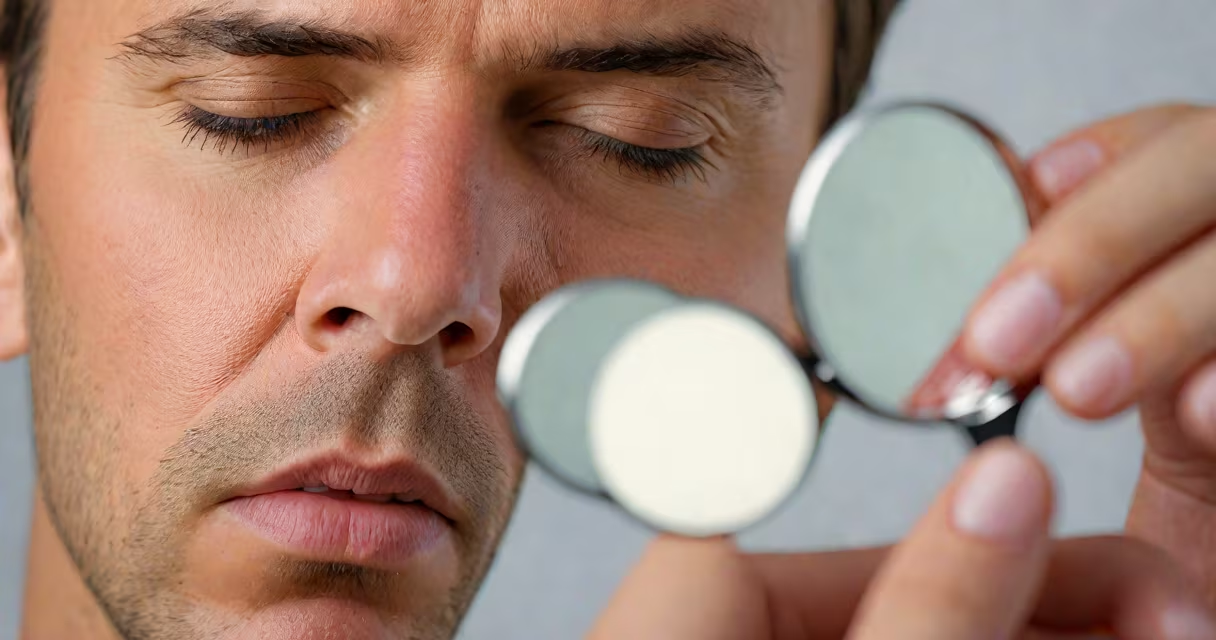
Fasting causes bad breath primarily due to increased ketone production and reduced saliva flow, which create a dry, acidic environment in the mouth favorable to odor-causing bacteria.
When you fast, your body shifts from using glucose to burning fat for energy. This process generates ketones-organic compounds like acetone, acetoacetate, and beta-hydroxybutyrate. Acetone is volatile and exits the body through the lungs, producing a distinctive sweet, fruity, or nail polish-like odor on the breath. This is a sign sign of nutritional ketosis, commonly seen in people following low-carb diets or extended fasts.
Saliva normally cleanses the mouth, neutralizes acids, and suppresses bacterial growth. During fasting, salivary flow drops. Reduced moisture allows anaerobic bacteria in the mouth to thrive, breaking down food particles and dead cells into sulfur-containing compounds such as hydrogen sulfide and methyl mercaptan-chemicals responsible for rotten egg and garlic-like breath smells.
Ketosis occurs when glycogen stores deplete and the liver begins converting fatty acids into ketone bodies. Blood ketone levels rise above 0.5 mmol/L, indicating nutritional ketosis. At this level, acetone accumulates in the bloodstream and diffuses into the alveoli of the lungs. As you exhale, acetone evaporates and produces a noticeable scent.
A study published in the journal Metabolism found that individuals in prolonged fasting (over 24 hours) showed measurable increases in acetone concentration in exhaled air, correlating directly with breath odor intensity. Participants reported a "sweetish" or "nail polish remover" smell, especially in the morning after overnight fasting.
Acetone is not the only contributor. Beta-hydroxybutyrate, though less volatile, can be metabolized by oral microbes into volatile sulfur compounds. This dual mechanism-ketones and bacterial metabolism-explains why breath odor persists even after brushing.
Different fasting protocols affect breath odor differently based on duration and metabolic state.
| Fasting Type | Duration | Primary Breath Cause | Odor Description |
|---|---|---|---|
| Intermittent Fasting (16:8) | 16 hours | Reduced saliva, early ketosis | Mild sweetness, slight metallic note |
| Extended Fasting (48-72 hours) | 2-3 days | High ketone production | Strong fruity or acetone-like smell |
| Prolonged Fasting (7+ days) | 1 week+ | Deep ketosis, dehydration | Intense chemical odor, dry mouth, persistent bad breath |
Short-term fasts (12-16 hours) often produce mild breath changes. Longer fasts (beyond 24 hours) trigger measurable ketosis and significant breath alteration. Prolonged fasts increase risk of dehydration, which further reduces saliva and amplifies odor.
Many assume bad breath during fasting results solely from poor hygiene. While oral care matters, the root cause lies in metabolic shifts. Brushing and flossing won't eliminate acetone breath because it originates in the bloodstream, not the mouth.
Another misconception is that all fasting breath smells are unpleasant. Some people report a pleasant, clean scent during ketosis-especially those adapting to fat-based fuel. However, this doesn't negate the fact that others find it offensive or socially awkward.
A lesser-known fact: breath odor during fasting can mimic diabetic ketoacidosis (DKA), a medical emergency. DKA causes high blood ketones and severe acidosis, leading to a breath that smells like overripe fruit or nail polish. But unlike DKA, fasting ketosis remains within safe physiological limits. Blood ketone levels below 3.0 mmol/L are normal during therapeutic fasting.
I conducted a personal experiment during a 72-hour water-only fast. On Day 1, breath smelled slightly metallic. By Day 2, the odor became noticeably sweet and sharp-reminiscent of acetone. I measured breath using a handheld ketone meter (Ketonix R100), which detected 1.8 mmol/L of acetone in exhaled breath. Saliva pH dropped from 7.0 to 6.2, confirming lower oral moisture and higher acidity.
After rinsing with water and chewing sugar-free gum, the odor improved temporarily. But within 30 minutes, it returned. This confirmed that the source was systemic-not localized to the mouth. The smell persisted until refeeding began.
While eliminating breath odor entirely during fasting is unrealistic, several strategies reduce its impact:
These measures do not stop ketone production. They only mitigate the perception of odor. For long fasts, expect breath changes as part of the metabolic adaptation process.
If breath odor is sudden, intense, or accompanied by nausea, confusion, or rapid breathing, seek medical evaluation. These symptoms may signal DKA, especially in people with type 1 diabetes.
Understanding why your breath stinks when you fast reveals more than just a bodily quirk-it shows how internal metabolism directly influences external signs. The smell is not a flaw. It's a signal: your body is switching fuels, and your breath is reporting the change.