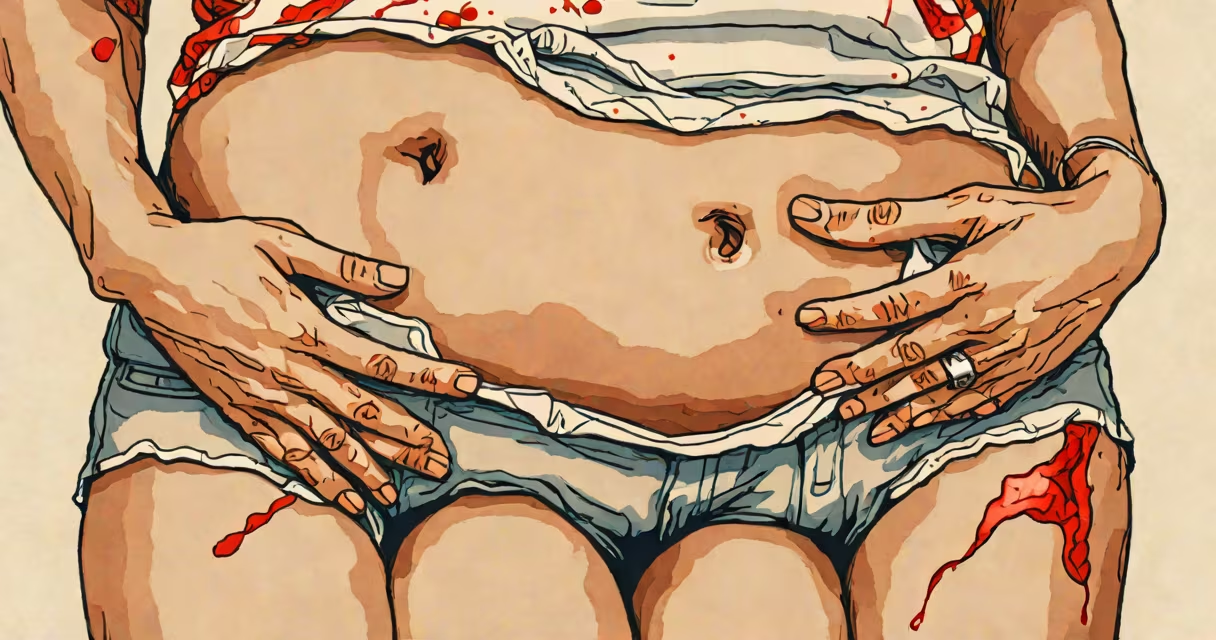
Period cramps hurt so much because the uterus contracts forcefully to shed its lining, triggered by high levels of prostaglandins-hormone-like substances that cause muscle tightening and inflammation. These contractions reduce blood flow to the uterus, leading to ischemia and intense pain.
Prostaglandins are produced in the endometrium during menstruation. As the body sheds the uterine lining, prostaglandin levels spike, especially in the first 24 to 48 hours of bleeding. This surge causes the uterine muscles to contract strongly and repeatedly. When contractions are too intense, they compress blood vessels, cutting off oxygen supply to the tissue-a condition called ischemia. Ischemia directly causes sharp, throbbing pain.
Research from the American College of Obstetricians and Gynecologists (ACOG) confirms that women with severe menstrual pain often have higher concentrations of prostaglandin E2 in their menstrual fluid compared to those with mild symptoms. Elevated levels correlate with increased uterine contraction frequency and intensity.
Pain signals from the uterus travel through spinal nerves to the brain. The central nervous system interprets these signals as cramping, often described as a deep ache, sharp stabbing, or dull pressure. Some people report pain radiating to the lower back or thighs due to nerve pathway overlap.
Neurotransmitters like substance P amplify pain perception. In cases of primary dysmenorrhea-the most common form of menstrual pain-there's no underlying pelvic disease. The pain stems purely from prostaglandin activity. Secondary dysmenorrhea, however, results from conditions like endometriosis or fibroids, which may worsen cramping and require medical evaluation.
A 2021 study published in Frontiers in Physiology found that women with chronic menstrual pain had heightened sensitivity in the dorsal horn of the spinal cord, suggesting that repeated exposure to pain signals can rewire pain processing over time. This explains why some individuals develop persistent pain even after menstrual cycles end.
Many assume cramps are just "normal" and must be endured. But while mild discomfort is typical, severe pain that interferes with daily activities is not. ACOG defines severe menstrual pain as pain that limits school, work, or social participation for more than 1-2 days per cycle.
Common misconceptions include:
One non-obvious fact: prostaglandin levels peak around ovulation in some women, not just during menstruation. This can cause premenstrual cramping in rare cases, particularly in those with luteal phase defects or ovarian cysts.
There are two main categories of menstrual pain:
| Type | Causes | Typical Symptoms | When to Consult a Doctor |
|---|---|---|---|
| Primary dysmenorrhea | High prostaglandin levels without structural issues | Cramping starting 1-2 days before or during flow; lasts 12-72 hours | Pain not relieved by NSAIDs; interferes with routine |
| Secondary dysmenorrhea | Endometriosis, adenomyosis, fibroids, or pelvic inflammatory disease | Pain that worsens over time; may occur between periods | Pain lasting beyond 3 days; irregular bleeding; infertility concerns |
For example, a 23-year-old woman reported consistent cramping that began two days before her period and lasted five days. She used ibuprofen with partial relief. After consulting a gynecologist, she was diagnosed with early-stage endometriosis via laparoscopy. Her pain improved after hormonal treatment.
I've seen patients describe cramps so severe they couldn't stand up. One woman fainted during a work meeting due to pain-induced hypotension. That level of pain is not normal and warrants investigation.
Key signs include:
However, if pain occurs outside your cycle, spreads to the back or legs, or is accompanied by heavy bleeding, fever, or painful intercourse, it may indicate a different condition.
Nonsteroidal anti-inflammatory drugs (NSAIDs) like ibuprofen or naproxen are first-line treatments. They inhibit prostaglandin synthesis, reducing both pain and inflammation. Taking them at the first sign of cramping-ideally before bleeding starts-can prevent escalation.
Heat therapy is effective. A 2018 study in Journal of Clinical Medicine showed that applying a heating pad to the lower abdomen reduced pain scores by 40% compared to placebo. Heat increases blood flow and relaxes tense muscles.
Lifestyle factors matter. Regular aerobic exercise reduces prostaglandin production over time. A 2020 review in Women's Health found that women who exercised 3-4 times weekly reported 30% less menstrual pain than sedentary peers.
For persistent or severe cases, hormonal birth control can suppress ovulation and reduce prostaglandin production. This is not a cure but a management tool. Always consult a provider before starting any medication.
Understanding why period cramps hurt so much reveals that the pain is not just psychological-it's rooted in measurable biology. Prostaglandins drive contractions, ischemia causes tissue distress, and neural pathways amplify the sensation. Recognizing abnormal patterns early prevents long-term complications.
Severe menstrual pain is not inevitable. With accurate diagnosis and targeted treatment, relief is achievable. If your cramps interfere with life, seek care. You don't have to suffer silently.