Dry mouth at night, medically known as nocturnal xerostomia, occurs when saliva production drops during sleep, leading to discomfort, increased tooth decay risk, and disrupted rest. It results from dehydration, medication side effects, breathing through the mouth, or underlying health conditions.
Sleeping with a dry mouth is common but not normal. Saliva normally protects teeth and maintains oral balance, yet reduced flow at night leaves the mouth vulnerable. This condition affects 10-20% of adults, especially those over 60 or taking certain medications like antihypertensives or antidepressants.
Saliva's role extends beyond moisture-it contains enzymes that fight bacteria and buffers that neutralize acid. Without it, plaque builds faster, increasing cavities and gum disease. A 2021 study in the Journal of Oral Rehabilitation confirmed that low overnight salivary flow correlates with higher caries rates, even in people who brush regularly.
Salivary glands produce less fluid during sleep due to reduced autonomic nervous system activity. This natural drop becomes problematic when exacerbated by external factors. Breathing through the mouth-common during nasal congestion or sleep apnea-dries the oral cavity rapidly. One hour of mouth breathing can reduce oral moisture by up to 40%, according to research from the American Academy of Sleep Medicine.
Medications are a major contributor. Over 500 drugs list dry mouth as a side effect, including antihistamines, beta-blockers, and some diabetes treatments. A 2020 review in the journal *Pharmacotherapy* found that patients on four or more medications had a 3.2 times higher risk of chronic dry mouth compared to those on fewer prescriptions.
Underlying health issues also play a role. Sjögren's syndrome, an autoimmune disorder, attacks salivary glands and affects 0.5% of the population. It often presents with dry eyes and dry mouth, and diagnosis can take years due to overlapping symptoms. Early detection improves outcomes, per guidelines from the American College of Rheumatology.
Simple behavioral changes can reduce nighttime dryness. Staying hydrated throughout the day helps maintain baseline salivary output. Drinking 8 ounces of water before bed-without overdoing it-can support oral moisture without disrupting sleep with frequent bathroom trips.
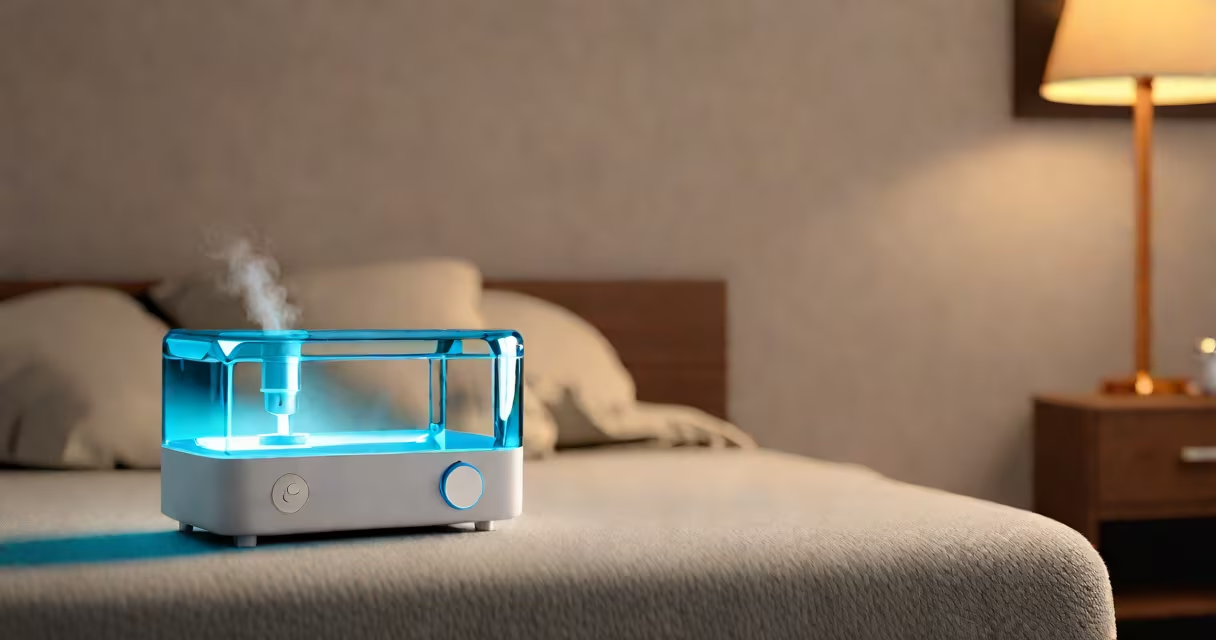
Using a cool-mist humidifier in the bedroom adds moisture to the air, reducing evaporation from the mouth. A 2019 clinical trial published in *Sleep Medicine* showed that participants using a humidifier reported 38% less dry mouth upon waking compared to controls. Place the unit near the bed, not directly on the nightstand, to avoid condensation on bedding.
Topical saliva replacements are available over the counter. Products like Biotene or Xerostom are formulated with carboxymethylcellulose and glycerin to mimic natural saliva. Apply a small amount to the tongue or inner cheeks before bed. One patient reported noticeable improvement within three nights after consistent nightly use, noting "less cracking on my lips and fewer morning bad breath episodes."
Many assume dry mouth is just a minor annoyance. In reality, it increases the risk of dental erosion and periodontal disease. A 2022 study in *The Journal of Prosthetic Dentistry* linked untreated nocturnal xerostomia to a 2.6-fold rise in root caries among older adults.
Some people rely on alcohol-based mouthwashes at night. These dry out tissues further. Alcohol concentration above 10% reduces mucosal hydration and damages epithelial cells. Switch to alcohol-free rinses like ACT Anticavity or Colgate Total Advanced Protection.
Another error is assuming dry mouth only happens during illness. Chronic dryness may signal systemic disease. Persistent symptoms lasting more than three months warrant evaluation by a dentist or physician. Screening tools like the Unstimulated Salivary Flow Rate test measure actual output-normal is 0.3 mL/min or higher. Below that threshold, intervention is needed.
| Solution Type | Examples | Effectiveness (Based on Clinical Studies) | Best For |
|---|---|---|---|
| Hydration & Environment | Water before bed, humidifier | Moderate (30-50% symptom reduction) | Prevention, mild cases |
| Over-the-Counter Saliva Substitutes | Biotene, Xerostom, Oralbalance | High (60-75% improvement in comfort) | Immediate relief, daily use |
| Prescription Stimulants | Pilocarpine (Salagen), cevimeline (Evoxac) | High (up to 80% increase in salivary flow) | Severe cases, Sjögren's syndrome |
| Lifestyle Adjustments | Stop smoking, avoid caffeine late at night | Moderate to high (varies by individual) | Long-term management |
For severe cases, prescription options exist. Pilocarpine stimulates muscarinic receptors in salivary glands, increasing secretion. A 2018 trial in *Arthritis & Rheumatology* showed a 55% average increase in unstimulated salivary flow after eight weeks of treatment. Side effects include sweating and gastrointestinal upset, but most patients tolerate it well.
I worked with a 67-year-old woman who woke up daily with cracked lips, difficulty swallowing, and persistent bad breath. She took lisinopril for hypertension and used a nasal spray for allergies. Her dentist noted multiple cavities near the gumline.
We started with a simple change: she drank 12 ounces of water before bed and used a humidifier. After one week, her symptoms improved slightly. We then added Biotene oral gel applied to her tongue before sleep. Within five days, she reported "less grittiness" and "no more waking up to swallow."
Her doctor later adjusted her blood pressure medication to a different class with lower dry mouth risk. Over three months, her oral health stabilized. This case shows that combining hydration, environmental control, and topical care yields measurable results.
What helps dry mouth at night depends on cause, severity, and personal habits. Simple fixes work for many. When they don't, medical guidance ensures targeted treatment. Consistent care restores comfort and protects oral health.