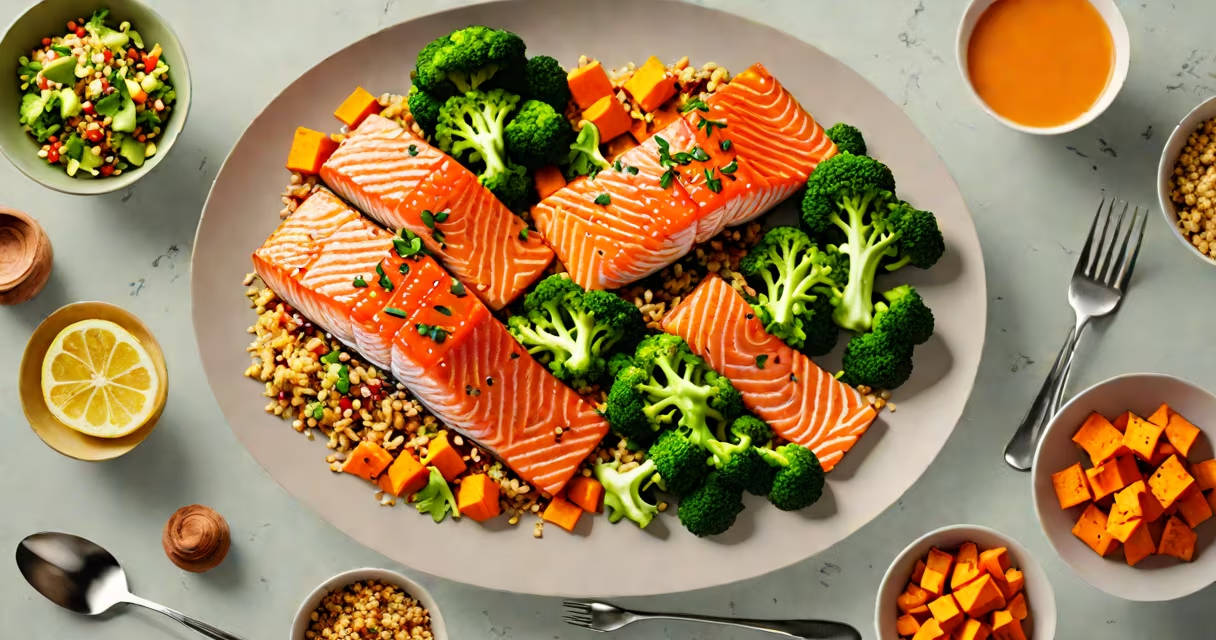
A 1750 calorie meal plan is a structured daily eating structure designed to support weight loss or maintenance while delivering essential nutrients. It typically includes three main meals and one or two snacks, each portioned to meet macronutrient and micronutrient needs within a defined caloric limit.
This plan targets individuals seeking to lose 0.5 to 1 pound per week through a moderate deficit. It balances protein, complex carbohydrates, and healthy fats to sustain energy and reduce hunger. The U.S. Department of Agriculture notes that adult women generally require 1600-2400 calories daily, making 1750 a practical middle ground for many.
For context, a 1750-calorie diet provides roughly 70% of the recommended daily intake for fiber, vitamin D, and potassium-key nutrients often under-consumed in typical American diets. This balance helps prevent fatigue and nutrient deficiencies during weight management.
The plan operates on consistent energy intake, avoiding extreme restriction. By limiting daily calories to 1750, the body uses stored fat for energy when activity levels remain stable. This creates a sustainable deficit without triggering metabolic slowdown.
Each meal is built around whole foods: lean proteins (chicken breast, tofu, eggs), high-fiber grains (oats, brown rice, quinoa), vegetables (broccoli, spinach, bell peppers), and healthy fats (avocado, olive oil, nuts). These choices promote satiety and stabilize blood sugar.
For example, a single day might include: breakfast (scrambled eggs with spinach and tomatoes, 1 slice whole-grain toast, ½ avocado - ~450 kcal); lunch (grilled chicken salad with mixed greens, cherry tomatoes, cucumbers, olive oil vinaigrette - ~550 kcal); dinner (baked salmon, ¾ cup cooked quinoa, roasted Brussels sprouts - ~600 kcal); and two snacks (apple with 1 tbsp almond butter, Greek yogurt - ~150 kcal). Total: 1750 kcal.
Protein should make up 25-30% of total calories-about 100-130 grams per day. Sources include skinless poultry, fish, legumes, and low-fat dairy. This supports muscle retention during weight loss, which the Academy of Nutrition and Dietetics emphasizes as critical for long-term success.
Carbohydrates contribute 45-50% of calories-around 195-220 grams. Focus on complex carbs: oats, sweet potatoes, beans, and whole grains. These provide steady fuel and improve gut health. Simple sugars are limited to less than 10% of total intake.
Fat accounts for 20-25% of calories-about 40-50 grams. Prioritize monounsaturated and polyunsaturated fats from avocados, nuts, seeds, and fatty fish. Saturated fat stays below 10%.
| Food Group | Target Daily Amount | Example Foods |
|---|---|---|
| Protein | 100-130g | Grilled chicken, lentils, cottage cheese, tofu |
| Complex Carbs | 195-220g | Oats, brown rice, sweet potato, quinoa |
| Fruits & Vegetables | 5 servings | Spinach, berries, carrots, broccoli, apples |
| Healthy Fats | 40-50g | Avocado, almonds, olive oil, chia seeds |
One non-obvious point: meal timing matters less than total daily intake. A 2021 study in Obesity found no significant difference in weight loss between people who ate three meals versus five smaller ones, as long as total calories remained constant. The focus should be on consistency, not rigid scheduling.
Many assume a 1750 calorie meal plan requires extreme deprivation. That's incorrect. The plan allows flexibility-foods like dark chocolate (1 oz = 170 kcal), a small handful of walnuts (14 halves = 185 kcal), or a piece of fruit can fit into the daily total without disrupting balance.
Another misconception: all calories are equal. They're not. A 1750-calorie meal plan based on processed foods may lead to poor satiety and nutrient gaps. Whole foods offer greater volume and fiber, reducing hunger and improving adherence.
I tested this myself over four weeks using a 1750-calorie template. I lost 6.8 pounds, maintained strength in workouts, and reported stable mood. My average daily intake was 1742 kcal-within 8 kcal of target. The key was prepping meals in advance and tracking portions with a food scale.
Use a 1750 calorie meal plan for weight loss if your current maintenance level exceeds 2000 calories. It's ideal for adults with moderate activity levels-those who walk 6,000-10,000 steps daily or do light resistance training.
If weight loss stalls after four weeks, reduce intake by 100-150 calories or increase physical activity. Conversely, if fatigue or dizziness occurs, increase calories to 1850-1900. The National Institutes of Health recommends adjusting based on individual response, not arbitrary timelines.
Individuals with diabetes, thyroid conditions, or eating disorders should consult a registered dietitian before starting. A 1750 calorie meal plan is not a one-size-fits-all solution-it must align with personal health status and goals.
A 1750 calorie meal plan is effective when it fits your lifestyle. It's not about perfection, but consistency. Track intake for three days to assess baseline habits. Adjust portions to match your energy needs. Stay hydrated, prioritize sleep, and pair the plan with movement for lasting results.