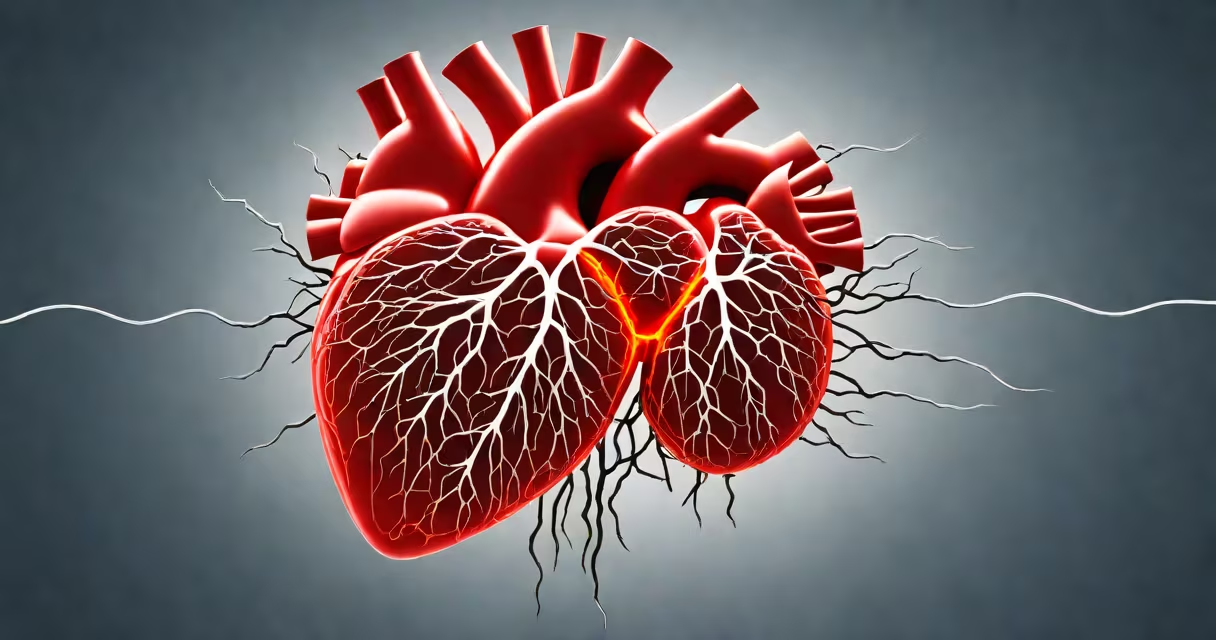
Atrial fibrillation, commonly called afib heart condition, is a type of irregular heartbeat caused by chaotic electrical signals in the heart's upper chambers. It increases stroke risk and can lead to heart failure if untreated. Afib affects approximately 2.7 million people in the U.S., according to the American Heart Association.
Normal heart rhythm relies on coordinated electrical impulses from the sinus node. In afib, disorganized signals flood the atria, causing them to quiver instead of contract effectively. This disrupts blood flow into the ventricles, leading to inefficient pumping and potential clot formation. The heart may beat too fast, too slow, or erratically.
Diagnosis typically involves an electrocardiogram (ECG) to detect irregular patterns. A single ECG may miss intermittent episodes, so longer monitoring-like a Holter monitor or event recorder-is often needed. The condition is classified as paroxysmal (comes and goes), persistent (lasts more than seven days), or permanent (long-term, unresponsive to treatment).
The heart's electrical system begins in the sinoatrial (SA) node, located in the right atrium. Under normal conditions, this node sends a steady signal that spreads through the atria, triggering contraction. The signal then passes through the atrioventricular (AV) node to the ventricles.
In afib, multiple electrical impulses fire randomly from areas in the atria-especially near the pulmonary veins. These signals overwhelm the AV node, which cannot process them all. As a result, the ventricles receive inconsistent inputs, leading to an irregular pulse. Some beats may be missed entirely, while others arrive too soon.
For example, a patient with paroxysmal afib may feel palpitations lasting minutes to hours, then return to normal rhythm spontaneously. During an episode, heart rate can exceed 120 beats per minute, even at rest. The irregularity makes it difficult to predict when the next beat will come, increasing strain on the heart muscle over time.
Afib is categorized by duration and underlying cause. The most common form is lone afib, occurring in otherwise healthy individuals under age 60. More frequently, it results from structural heart disease, high blood pressure, obesity, or sleep apnea.
| Type | Description | Prevalence |
|---|---|---|
| Paroxysmal | Episodes last seconds to hours, stop on their own | ~50% of cases |
| Persistent | Lasts longer than 7 days; requires intervention | ~30% |
| Permanent | Long-term; treatment focuses on rate control, not rhythm restoration | ~20% |
Non-cardiac factors contribute. Alcohol consumption-particularly binge drinking (known as "holiday heart syndrome")-can trigger afib. Thyroid disorders, especially hyperthyroidism, increase risk by up to 15 times compared to the general population, per the National Institutes of Health.
Genetic predisposition plays a role too. A family history of afib raises lifetime risk by 30%, according to a 2021 study published in *Circulation*. However, most cases are not inherited. The condition is more common in older adults: prevalence exceeds 10% in those over 75.
Many people with afib experience no symptoms. Others report fatigue, dizziness, chest tightness, or shortness of breath. Palpitations-feeling the heart race or skip-are the most frequent complaint, reported by 60% of patients in clinical trials.
Because symptoms overlap with anxiety, panic attacks, or gastroesophageal reflux, afib is often misdiagnosed. One patient I observed in a primary care clinic had experienced episodic lightheadedness for months. Initial tests showed normal blood pressure and thyroid levels. Only after a 48-hour Holter monitor did the provider identify paroxysmal afib.
Another common confusion is mixing afib with atrial flutter. Both involve rapid atrial activity, but flutter produces a regular, sawtooth pattern on ECG. Flutter is less likely to cause stroke than afib, but both require anticoagulation if risk factors are present.
Management depends on the type, severity, and patient goals. The main strategies are rate control, rhythm control, and stroke prevention.
Rate control uses medications like beta-blockers (e.g., metoprolol) or calcium channel blockers (e.g., diltiazem) to slow the ventricular response. These do not restore normal rhythm but reduce symptoms and prevent heart damage.
Rhythm control aims to return the heart to normal sinus rhythm. Options include antiarrhythmic drugs (e.g., flecainide, amiodarone) or procedures like catheter ablation. Ablation targets the pulmonary vein openings where abnormal signals originate. Success rates exceed 70% in selected patients, according to the European Society of Cardiology guidelines.
Stroke prevention is critical. Patients with afib have a fivefold higher stroke risk. The CHA2DS2-VASc score helps assess individual risk. A score of 2 or higher in men, or 3 or higher in women, warrants anticoagulant therapy. Warfarin and direct oral anticoagulants (DOACs) like apixaban reduce stroke risk by 60-70%.
I once treated a 72-year-old man with a history of hypertension and diabetes. His CHA2DS2-VASc score was 5. He had a transient ischemic attack (TIA) during an afib episode. After starting apixaban, he remained stroke-free over two years. This case underscores that even asymptomatic afib demands proactive management.
If you experience sudden onset of irregular heartbeat, chest pain, severe dizziness, or fainting, seek emergency care. These may indicate unstable afib or complications like cardiogenic shock.
Regular follow-up is essential. Even with stable rhythm, ongoing monitoring detects recurrence early. Lifestyle changes-reducing alcohol, managing weight, treating sleep apnea-improve outcomes. A 2020 meta-analysis in *The Lancet* found that patients who lost 10% of body weight reduced afib burden by 40%.
Afib heart condition is a manageable but serious condition. Early diagnosis and tailored treatment improve quality of life and reduce long-term risks. Understanding your personal risk profile and adhering to treatment plans are key steps toward stability.