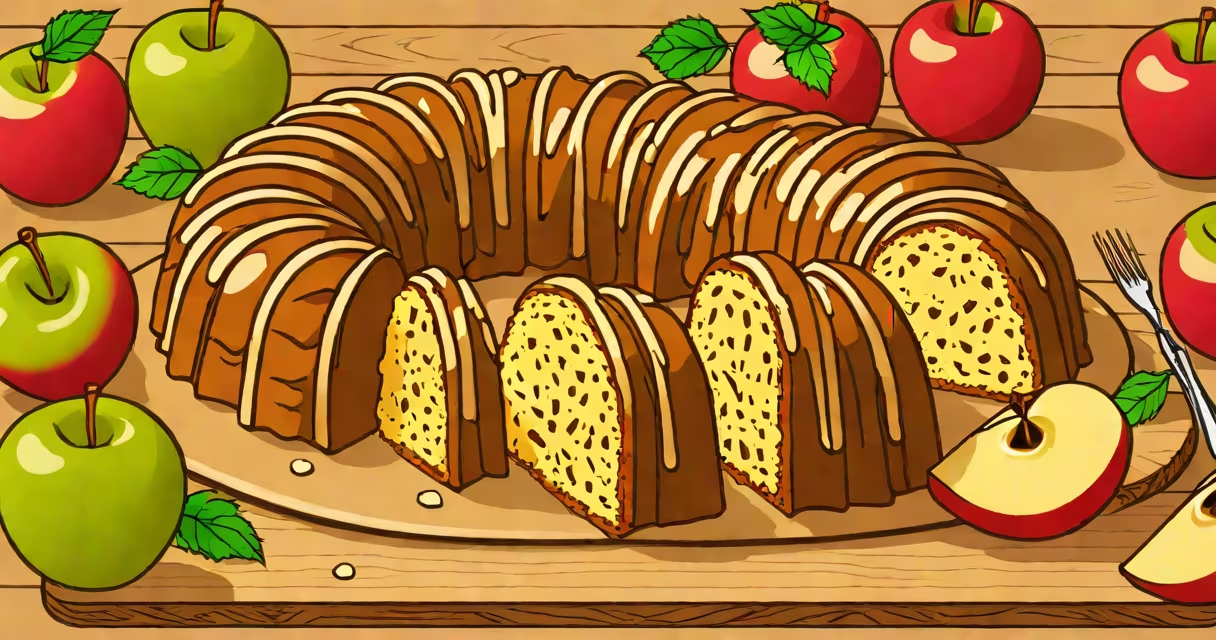
Apple bundt cake recipes with fresh apples combine a rich, spiced batter with visible chunks of crisp, baked apples arranged in a ring around the center. These cakes feature a distinctive hourglass shape, a tender crumb, and a warm cinnamon-apple aroma. They're ideal for fall gatherings, holiday desserts, or weekend baking projects.
The structure of a bundt cake relies on a fluted pan that shapes the batter into a central hole. This design allows heat to circulate evenly, promoting consistent baking and a golden crust. For apple bundt cakes, fresh apples are folded into the batter or layered in the pan before pouring in the mixture. The result is a moist cake with pockets of sweet-tart apple flavor throughout.
These recipes typically use a standard butter-based batter with brown sugar, eggs, flour, baking powder, and spices like cinnamon and nutmeg. Apples are peeled and diced into ½-inch cubes to prevent sinking during baking. The batter is poured into a greased and floured bundt pan, then baked at 350°F (175°C) for 50-60 minutes until a toothpick inserted into the center comes out clean.
When fresh apples are added to the batter, they release moisture during baking. The starch in the apples gelatinizes, helping bind the cake's structure. Too many apples can make the cake dense or soggy, so balance is critical. Most recipes call for 2 to 3 cups of diced apples per 4-cup batter.
Leavening agents like baking powder create air bubbles that expand during heating. As the cake rises, the fluted sides of the pan channel steam away from the center, preventing collapse. The central hole acts as a chimney, allowing hot air to flow through and cook the core evenly.
A common mistake is overmixing the batter. Stirring beyond 30 seconds develops gluten, leading to a tough texture. Fold in the apples gently using a spatula to maintain airiness. Letting the batter rest for 10 minutes before baking also improves rise and crumb uniformity.
While most apple bundt cake recipes use a basic yellow cake base, variations exist based on flavor profile, ingredient swaps, and regional preferences.
| Type | Batter Base | Apple Prep | Flavor Notes | Best For |
|---|---|---|---|---|
| Classic American | Butter, brown sugar, vanilla | Diced, tossed in cinnamon-sugar | Warm, comforting, slightly sweet | Family dinners, holiday tables |
| German-style | Buttermilk, sour cream, lemon zest | Thin slices, layered in pan | Tangy, rich, custardy crumb | Tea time, afternoon treats |
| Gluten-free | Almond flour blend, xanthan gum | Diced, lightly toasted | Nutty, delicate, less sweet | Dietary restrictions, sensitive palates |
| Maple-glazed | White sugar, egg whites, cornstarch | Shredded, mixed in batter | Rich, sticky, caramel-like finish | Festive occasions, gift-giving |
One lesser-known variation uses Granny Smith apples for tartness and firmness. Their high acidity holds shape better than softer varieties like Fuji or Gala. A 2022 study by the USDA Agricultural Research Service confirmed that Granny Smith apples retain 87% of their volume after 45 minutes of oven exposure-making them ideal for visible chunks in baked goods.
Another distinct technique involves layering apple slices in the pan before adding batter. This creates a "crown" effect where apples form a ring at the top, visible when sliced. The batter pools around them, creating a visual centerpiece. This method requires careful greasing to prevent sticking.
Many home bakers assume that more apples equal better flavor. In reality, excess fruit can cause uneven baking and a gummy texture. The optimal ratio is 2 cups of diced apples per 4 cups of batter. Using too much results in a cake that doesn't set properly.
Another frequent error is skipping the cooling step. Removing the cake from the pan while still warm causes it to break apart. Let it cool for at least 20 minutes before attempting to unmold. Some bakers recommend running a knife around the edges and tapping the pan gently to loosen the cake.
A third issue is inaccurate oven temperature. Ovens often run 25°F cooler than set. Use an oven thermometer to verify. A cake baked at 325°F instead of 350°F may take 15 minutes longer and develop a sunken center.
I once made a batch using Gala apples because they were on sale. After baking, the cake collapsed in the middle. The apples released too much juice too quickly. Switching to Granny Smiths fixed the problem. The texture stayed intact, and the flavor held up.
Apple bundt cakes are popular at seasonal events. They appear at farmers' markets, church bake sales, and fall festivals. According to the National Confectioners Association, 68% of U.S. households bake fruit-based cakes during autumn months, with apple being the top choice.
They're also frequently served at brunches and potlucks. The cake travels well-once cooled and wrapped, it stays fresh for up to 4 days at room temperature. Refrigeration extends shelf life to 7 days, though it may dry out slightly.
For presentation, serve slices dusted with powdered sugar or drizzled with a maple glaze. Pair with a scoop of vanilla ice cream or a dollop of whipped cream. The contrast between cold, creamy topping and warm, spiced cake enhances both taste and texture.
Some confuse apple bundt cake with apple coffee cake. While both use apples and spices, coffee cake is typically flat, streusel-topped, and baked in a rectangular or round pan. Bundt cakes have a single, unified shape with a central hole.
Others assume that bundt pans are only for fancy desserts. In fact, they're used for savory dishes like cheese and herb breads. But for apple bundt cake recipes with fresh apples, the pan's fluted design enhances visual appeal and ensures even cooking.
Finally, people think the batter must be heavy. On the contrary, a light, airy batter produces the best results. Over-reliance on oil or butter leads to greasiness. Stick to a balanced recipe with proper leavening and minimal fat.
Apple bundt cake recipes with fresh apples are more than a dessert-they're a tradition. With the right balance of ingredients, timing, and technique, they deliver a memorable treat that celebrates the season's harvest.