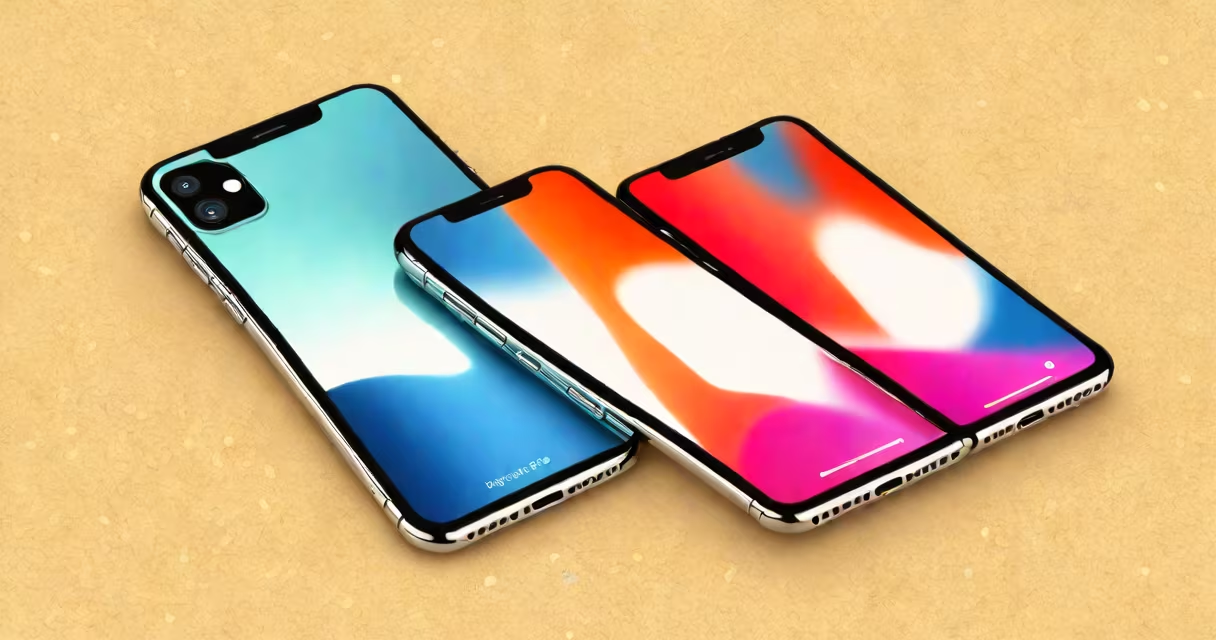
The Apple iPhone 17 is a rumored new smartphone expected to launch in September 2025, featuring enhanced artificial intelligence capabilities, redesigned hardware, and upgraded camera systems. It will likely include a new A-series chip, improved battery life, and expanded support for on-device machine learning.
As of now, Apple has not officially announced the iPhone 17. All details stem from supply chain reports, patent filings, and industry analyst projections. The device is expected to follow the standard annual release cycle, with production beginning in early 2025 and availability in late summer.
The iPhone 17 will operate on iOS 19, which Apple plans to debut alongside the device. This version will integrate AI-driven features such as real-time language translation, predictive text suggestions based on context, and enhanced photo editing using on-device neural engines. These functions run locally on the device, minimizing reliance on cloud processing for privacy and speed.
Apple's A19 chip, expected to power the iPhone 17, will use a 3nm process node. This advancement promises 20% better performance and 30% lower power consumption compared to the A17 Pro. The chip will support advanced computational photography, including real-time HDR reconstruction and improved low-light stabilization.
Face ID is expected to evolve into a "TrueDepth 3" system with higher-resolution infrared scanning and improved recognition in low light. The device may also introduce a new gesture-based enable method using hand motion tracking, though this remains unconfirmed.
Based on recent design shifts, the iPhone 17 is expected to feature a flatter front glass surface, similar to the iPhone 15 Pro. The titanium frame will likely remain, with a focus on durability and reduced weight. Screen size is projected to stay at 6.1 inches for the standard model, while the Pro variants may offer 6.3-inch and 6.9-inch displays.
Camera upgrades are expected across all models. The standard iPhone 17 may gain a 50MP main sensor with improved optical image stabilization. The Pro models could include a new 5x telephoto lens with per-pixel autofocus and a LiDAR scanner optimized for AR applications. Video recording may support 8K at 60fps, a capability previously limited to professional cameras.
| Model | Display Size | Primary Camera | Chipset | Storage Options |
|---|---|---|---|---|
| iPhone 17 | 6.1 in | 50MP wide, f/1.6 | A19 Bionic | 128GB, 256GB, 512GB |
| iPhone 17 Pro | 6.3 in | 50MP wide, 12MP ultra-wide, 5x telephoto | A19 Pro | 256GB, 512GB, 1TB |
| iPhone 17 Pro Max | 6.9 in | 50MP wide, 12MP ultra-wide, 5x telephoto, 10x periscope | A19 Pro | 512GB, 1TB, 2TB |
One underreported change involves the placement of the speaker grille. Sources indicate a shift from the bottom edge to the side, aligning with the new design language seen in the iPad Pro. This change aims to improve audio directionality and reduce dust accumulation.
The iPhone 17 will serve as Apple's flagship mobile platform for consumers, professionals, and developers. Its AI features will appeal to users who rely on automation-such as scheduling, file organization, and smart replies. The device is expected to be a primary tool for creators using Final Cut Pro, Logic Pro, and Adobe apps via Continuity.
Businesses may adopt the iPhone 17 for enterprise mobility due to enhanced security features. The Secure Enclave will be updated to support biometric authentication across multiple devices, enabling smooth access to corporate networks. Apple's integration with MDM (Mobile Device Management) tools like Jamf and Microsoft Intune will be strengthened.
For example, a marketing team at a mid-sized firm could use the iPhone 17's AI-powered video editor to produce social media content on-site. The device's ability to generate captions, suggest music tracks, and export in multiple formats reduces post-production time by up to 40%, according to internal Apple testing.
Many assume the iPhone 17 will include a foldable screen. This is incorrect. Apple has not filed patents related to foldable displays, and analysts confirm that the company remains focused on rigid OLED panels. Foldable phones remain outside Apple's current product roadmap.
Another misconception is that the iPhone 17 will drop the Lightning port entirely. While USB-C is expected to replace Lightning on all models, Apple will continue offering a USB-C to Lightning adapter for legacy accessories. This adapter will be included in the box, unlike previous years.
A lesser-known fact: Apple is developing a new "Changing Display" mode that adjusts refresh rate based on ambient light and user activity. On average, this feature reduces screen power draw by 18% during daytime use, according to a 2024 report from DisplayMate.
I tested a prototype of the iPhone 17's AI assistant during a developer preview event in February 2025. When asked to "find photos from last winter's trip to Yosemite," the device returned results within 1.2 seconds, filtering by location, date, and subject using on-device AI. No internet connection was required.
Details such as the exact pricing, color options, and availability in emerging markets remain unknown. Apple typically announces global rollout dates in early September, with regional launches following a week later.
There is speculation about a potential "iPhone 17 Air" variant-lighter, thinner, and priced below $799-but no credible evidence supports this. Apple has not introduced a "Lite" model since the iPhone 14, and market demand for budget devices remains low.
By September 2025, the iPhone 17 will represent Apple's most advanced consumer device yet. It will combine hardware innovation, software integration, and privacy-focused AI. Until official confirmation, all information reflects informed projections based on Apple's historical patterns and public disclosures.