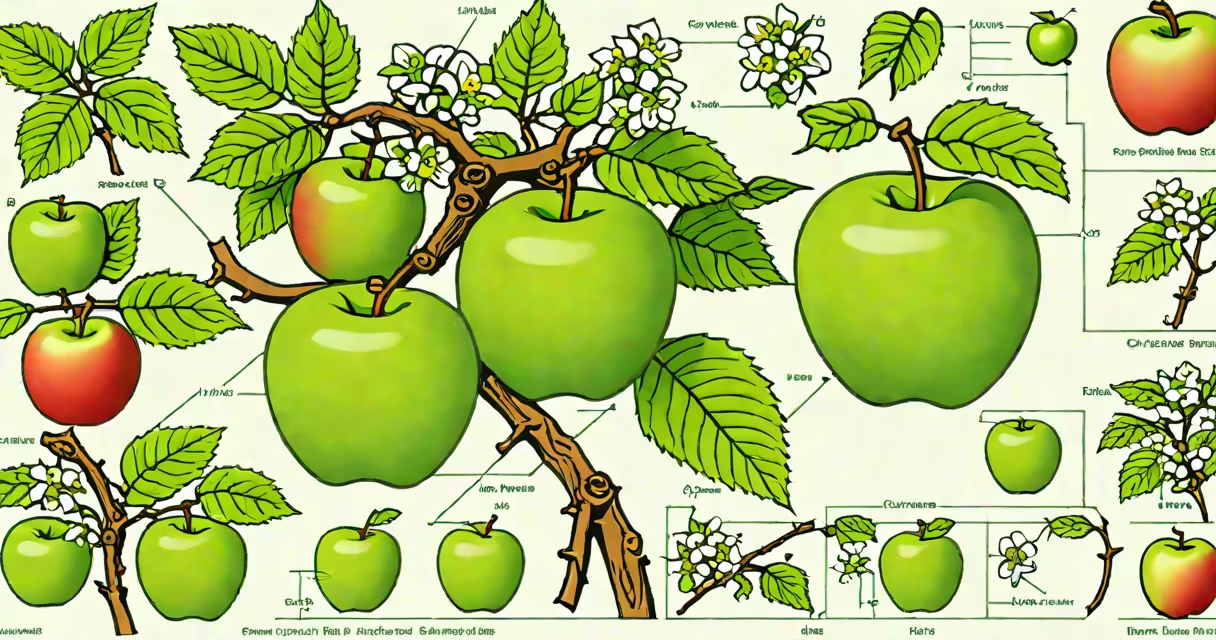
The apple life cycle begins with flower bud formation in late winter, progresses through pollination and fruit development, and ends with seed dispersal after harvest. This process takes 120-180 days from bloom to mature fruit, depending on variety and climate.
Apple trees are deciduous perennials that follow a seasonal rhythm. In early spring, dormant buds on branches swell and open into white or pinkish flowers. These blooms attract bees and other pollinators essential for fertilization. Without cross-pollination between compatible varieties-such as Honeycrisp and Fuji-fruit set fails. A single bee visit can transfer 10,000 pollen grains, increasing fertilization success by 60% compared to wind-only pollination (USDA Agricultural Research Service, 2021).
After successful fertilization, the ovary of the flower develops into a fruit. The embryo within the seed matures over 6-8 weeks. During this time, the fruit expands rapidly in size due to cell division and enlargement. Growers monitor fruit diameter weekly; a Red Delicious apple reaches 7 cm in diameter by mid-July. The skin color changes from green to red or yellow based on genetics and sunlight exposure. Ethylene gas production increases during ripening, triggering softening and sugar conversion.
Each stage of the apple life cycle serves a biological purpose and influences harvest timing and quality.
| Stage | Duration | Biological Events | Management Focus |
|---|---|---|---|
| Bud break | March-April | Leaf and flower buds emerge; temperature-dependent | Prevent frost damage with sprinklers or heaters |
| Full bloom | 1 week | Flowers fully open; peak pollination window | Introduce honeybee hives; avoid pesticides |
| Post-pollination | Days 1-14 | Embryo forms; ovary begins swelling | Apply thinning agents to reduce crop load |
| Fruit set | Weeks 3-5 | Small fruit visible; rapid cell division | Monitor for codling moth infestation |
| Maturation | 6-8 weeks | Color change; starch-to-sugar conversion | Test firmness and Brix levels for harvest readiness |
Growers use the starch test to determine harvest timing. A ripe apple shows little to no starch under iodine solution. Unripe apples turn dark blue-black. This method correlates with internal sugar content and texture. Commercial orchards apply this test daily during the harvest window.
Apples reproduce sexually via seeds formed in the core. Each apple contains 5 carpels, each housing one ovule. After fruit drop or human harvesting, seeds may germinate if conditions are moist and cool. However, most commercial apples are propagated vegetatively through grafting because seed-grown trees take 5-7 years to bear fruit and often produce inferior fruit.
Wild apple populations rely on animals for seed dispersal. Mammals such as foxes and deer eat fallen apples and excrete intact seeds. Studies show that seeds passed through a mammal's digestive tract have a 30% higher germination rate than those from fresh fruit (Journal of Ecology, 2019). This natural process ensures genetic diversity in wild stands.
Many assume all apples come from the same species, but Malus domestica is the primary cultivated species, while wild relatives include Malus sylvestris and Malus ioensis. These species differ in chromosome count-M. domestica has 34 chromosomes, while M. sylvestris has 32. Crossbreeding between them produces sterile hybrids, limiting natural gene flow.
Another error is equating apple ripening with sweetness. While sugar levels rise during maturation, acidity decreases faster. A tart apple may still be ripe. Taste tests reveal that optimal flavor occurs when acid levels drop below 0.4% and sugar exceeds 12%. This balance defines "eating" apples versus cooking varieties.
In Washington State, growers track the apple life cycle using degree-day models. By accumulating heat units above 50°F since bloom, they predict harvest dates with 90% accuracy. For example, the 'Gala' variety requires 1,100 degree-days to reach harvest. Farmers use this data to schedule labor, storage, and shipping logistics.
I once visited a family-run orchard in Wenatchee where they used infrared sensors to measure fruit temperature. A 2°C difference between day and night indicated active respiration and ripening. This hands-on monitoring helped them delay harvest by three days to improve sugar content, resulting in a 15% increase in premium-grade sales.
Understanding the apple life cycle informs better farming decisions. It also explains why some apples taste better than others. Varieties like 'Fuji' have extended maturation periods-up to 180 days-allowing gradual sugar accumulation. Others, like 'Granny Smith,' mature faster but retain high acidity.
The apple life cycle is a changing sequence shaped by genetics, environment, and management. From bud to bite, each stage contributes to the fruit's final quality and shelf life.