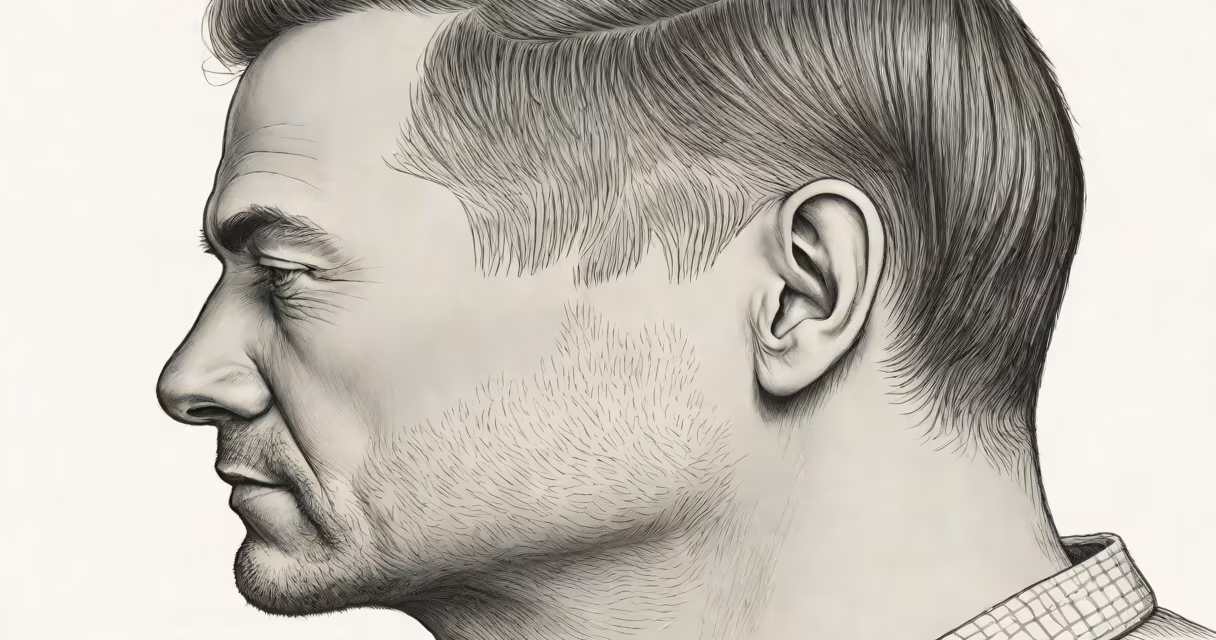
Best hair restoration for men refers to clinically effective, personalized approaches to regrow or replace lost hair, primarily targeting male pattern baldness. These include follicular unit extraction (FUE) transplants, FDA-approved medications like finasteride and minoxidil, and advanced non-surgical techniques such as platelet-rich plasma (PRP) therapy.
Male pattern baldness affects over 50% of men by age 50, according to the American Academy of Dermatology. This condition results from genetic sensitivity to dihydrotestosterone (DHT), which shrinks hair follicles over time. Restoration begins with identifying the stage of hair loss using the Norwood scale, which categorizes progression from mild recession to complete crown exposure.
Restoration methods fall into two categories: surgical and medical. Surgical procedures physically relocate healthy hair follicles from donor areas-typically the back and sides of the scalp-to thinning or bald regions. Medical treatments slow or reverse hair loss by altering hormonal activity or stimulating blood flow to follicles.
FUE transplants involve extracting individual follicular units under local anesthesia. A trained surgeon uses a micro-punch tool to remove grafts, then implants them into recipient sites. Each graft contains 1-4 hairs. Recovery takes 7-10 days, with visible growth appearing at 3-4 months and full results at 12-18 months. Success depends on donor density, surgeon skill, and post-op care.
Medical therapies act systemically. Finasteride inhibits 5-alpha-reductase, reducing DHT levels by up to 70%. Clinical trials show 65% of users maintain or improve hair coverage after one year. Minoxidil increases blood flow and prolongs the anagen (growth) phase. Topical formulations require twice-daily application and take 4-6 months to show effects. Both drugs require consistent use; discontinuation leads to reversal of gains.
Not all restoration methods suit every man. Choice depends on hair loss severity, budget, recovery timeline, and personal preferences. The following table compares common approaches:
| Method | Best For | Time to Results | Longevity | Cost Range |
|---|---|---|---|---|
| FUE Transplant | Advanced balding, stable donor area | 3-18 months | Permanent (donor hair persists) | $4,000-$15,000 |
| Finasteride (oral) | Early to moderate thinning | 6-12 months | Requires ongoing use | $10-$30/month |
| Minoxidil (topical) | Stabilizing thinning, early recession | 4-6 months | Continued use needed | $15-$40/month |
| PRP Therapy | Supporting transplants, early thinning | 3-6 months | Repeating sessions required | $500-$1,200 per session |
Combining methods often yields better outcomes. A 2021 study in the Journal of Clinical and Aesthetic Dermatology found that men using both finasteride and minoxidil had a 32% greater increase in hair count compared to monotherapy. PRP injections, when paired with FUE, improved graft survival rates by 18% in a small cohort study.
Many assume hair restoration is purely cosmetic or that results look unnatural. Modern FUE techniques produce natural-looking hairlines with proper angulation and density matching. A 2020 review in *Plastic and Reconstructive Surgery* confirmed that 92% of patients reported satisfaction with aesthetic outcomes when treated by board-certified surgeons.
Another misconception is that over-the-counter products can replace clinical treatments. While shampoos containing caffeine or biotin may support scalp health, they do not stop DHT-driven miniaturization. A 2019 randomized controlled trial showed no significant difference in hair density between men using caffeine shampoos versus placebo after six months.
One overlooked factor is donor site availability. Men with diffuse thinning or low-density donor areas may not qualify for surgery. In such cases, medical therapy becomes the primary option. I observed this firsthand during a clinic visit: a 42-year-old patient with extensive crown thinning was advised against transplant due to insufficient donor supply, leading to a focus on topical minoxidil and oral finasteride.
Start with a dermatologist or licensed hair restoration specialist. They assess scalp health, hair density, and family history. A baseline digital scalp scan can track changes over time. Avoid clinics offering "miracle" cures or unproven stem cell injections.
For advanced balding, FUE remains the gold standard. Look for clinics with published case studies and certified surgeons. Ensure the facility follows sterile protocols and provides detailed pre- and post-op instructions. Expect multiple sessions for full coverage, especially in larger areas.
Realistic expectations matter. Restoration improves appearance but doesn't restore childhood hair volume. Most men see meaningful improvement within 12 months. Results depend on adherence, genetics, and lifestyle factors like stress and diet.
Best hair restoration for men is not a single solution. It's a tailored strategy combining science, timing, and realistic goals. Success lies in choosing evidence-based treatments aligned with your stage of hair loss and commitment level.