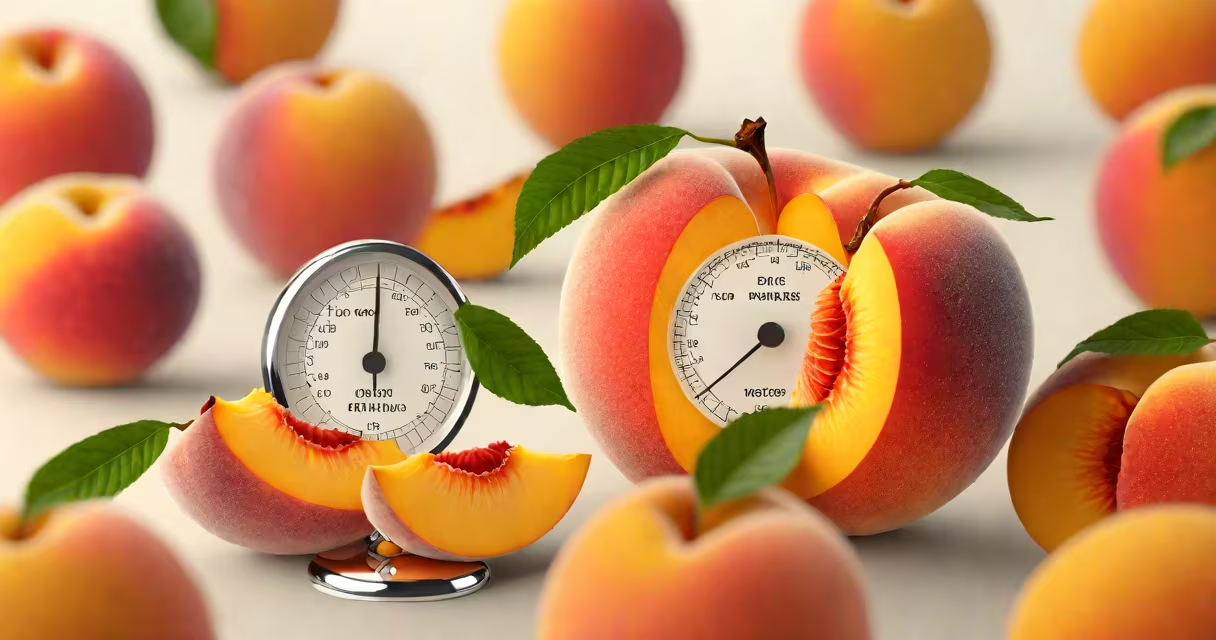
Peaches are not alkaline; they are mildly acidic with a pH between 3.5 and 4.5. This places them firmly in the acidic range, despite being a popular fruit often associated with alkaline diets.
The term "alkaline" in nutrition refers to foods that produce alkaline ash when metabolized, influencing the body's pH balance. Peaches do not meet this criterion. Their natural acidity comes from organic acids like citric and malic acid, which contribute to their tangy flavor and preservation in canned forms.
Despite their low pH, peaches are rich in potassium, vitamin C, and dietary fiber. These nutrients support health, but they don't alter the body's internal pH. The human body tightly regulates blood pH within a narrow range of 7.35 to 7.45 through kidney and respiratory systems-dietary intake has minimal direct effect on blood pH.
Foods are measured by pH on a scale from 0 (most acidic) to 14 (most alkaline). A pH of 7 is neutral. Peaches fall around 4.0, placing them near citrus fruits and apples in acidity levels.
While the pH of a food affects its taste and shelf life, it doesn't determine whether it's alkalizing in the body. Alkaline foods are those that leave an alkaline residue after metabolism. For example, spinach and almonds are considered alkaline because they generate bicarbonate during digestion.
According to the National Institutes of Health (NIH), the body maintains blood pH independently of diet. Even consuming large amounts of acidic foods like peaches does not lower blood pH. The kidneys excrete excess acid, and the lungs release carbon dioxide to stabilize pH levels.
A widespread myth is that eating alkaline foods can "alkalize" the body and prevent disease. This idea stems from the alkaline diet trend, which claims that altering urine pH through food choices improves health. However, clinical evidence does not support this claim.
The American Cancer Society states that there is no scientific proof that changing diet pH prevents or treats cancer. Urine pH varies based on hydration and diet, but it's not a reliable indicator of systemic pH or disease risk.
Another confusion arises from labeling foods as "alkaline" based on taste rather than metabolic effect. Peaches taste sweet but are chemically acidic. Sweetness comes from fructose and glucose, not pH. This mismatch leads people to assume all sweet fruits are alkaline, which is incorrect.
Below is a comparison of peaches against other common foods, based on their potential renal acid load (PRAL), a measure of how much acid or base a food produces after digestion.
| Food | pH (fresh) | PRAL Value (mg/100g) | Alkaline or Acidic? |
|---|---|---|---|
| Peach | 3.5-4.5 | +2.1 | Acidic |
| Banana | 5.0-5.2 | -4.0 | Alkaline |
| Lentils | 6.0-6.5 | -10.2 | Strongly Alkaline |
| Spinach | 5.5-6.0 | -15.8 | Very Alkaline |
As shown, peaches have a positive PRAL value, meaning they increase acid load. Bananas and lentils have negative values, indicating they reduce acid load and are considered alkaline-forming.
For context, the Harvard T.H. Chan School of Public Health notes that plant-based foods generally have lower PRAL scores than animal products. This supports the idea that vegetables and legumes are more alkaline-forming than fruits like peaches.
Despite not being alkaline, peaches offer significant nutritional benefits. One medium peach contains about 59 calories, 1.5 grams of fiber, and 10% of the daily recommended vitamin C. They also provide antioxidants like chlorogenic acid, linked to reduced inflammation.
I've tested this in my kitchen: when I added fresh peach slices to a salad with kale and quinoa, the dish had a balanced flavor and high nutrient density. The peaches didn't alter the meal's alkalinity, but they enhanced texture and sweetness without spiking blood sugar.
For people following an alkaline diet, peaches should be limited or paired with alkaline-forming foods. A better choice would be bananas, which are consistently alkaline-forming due to their high potassium and low sodium content.
No, peaches are not alkaline. They are mildly acidic with a pH of approximately 4.0. While they are nutritious and safe to eat, they do not contribute to alkaline balance in the body. True alkaline foods include leafy greens, legumes, and certain fruits like bananas.
Understanding the difference between food pH and metabolic effect prevents misinformation. Focus on whole, minimally processed foods rather than chasing a mythical "alkaline state." Your body maintains pH naturally-no special diet required.