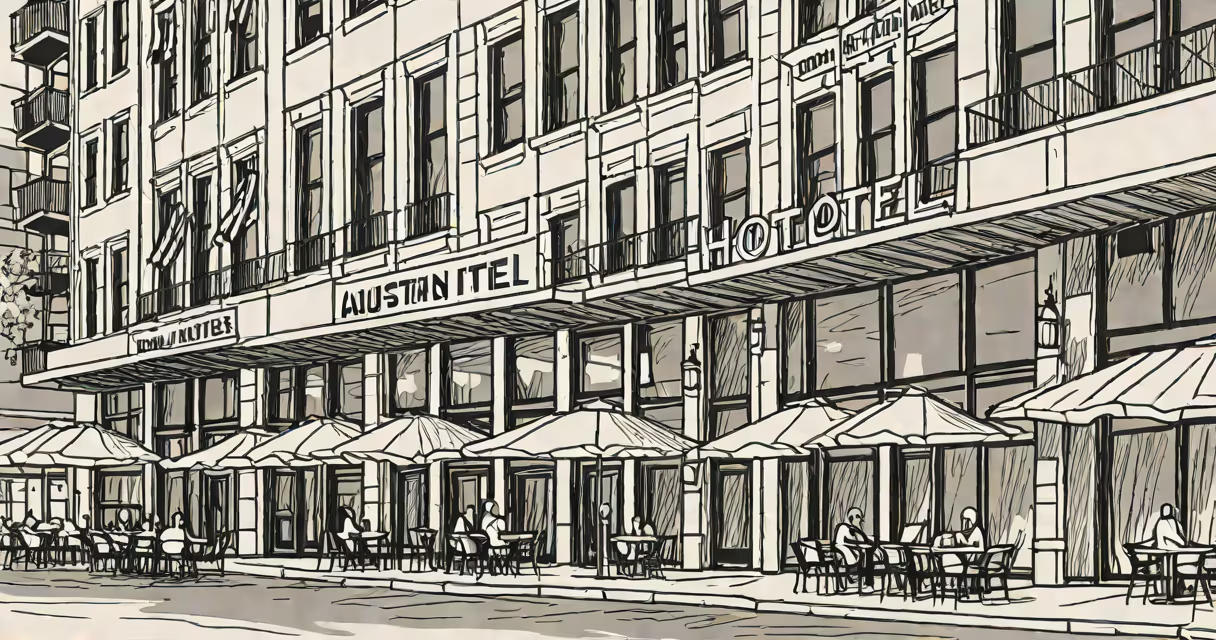
austin tx hotels are accommodations located in Austin, Texas, ranging from boutique inns and chain motels to luxury resorts and extended-stay apartments. They serve travelers seeking overnight stays for business, tourism, or events, often clustered around major districts like downtown, South Austin, and near the Texas State Capitol.
These hotels vary widely in price, service level, and design. Some offer 24-hour front desks, free Wi-Fi, and on-site dining; others focus on local culture with curated art, rooftop bars, or proximity to live music venues. Many are within walking distance of the city's most visited sites, including the Congress Avenue Bridge, Lady Bird Lake, and the University of Texas campus.
The term "austin tx hotels" includes properties listed on booking platforms like Booking.com, Expedia, and Google Hotels, as well as those managed directly by hotel chains such as Hyatt, Marriott, and Hilton. Prices fluctuate based on seasonality, event schedules (like South by Southwest or Austin City Limits), and room availability.
Each austin tx hotel operates under a reservation system. Guests book rooms via online portals, phone lines, or walk-in front desks. Upon arrival, they present identification and a credit card for incidentals. Check-in typically begins at 3:00 PM, check-out by 11:00 AM.
Hotels maintain guest databases, track occupancy rates, and adjust pricing dynamically. During peak seasons-spring and fall-rates rise due to high demand. A single room may cost $180 per night in March during SXSW, dropping to $110 off-season.
Many hotels provide concierge services, shuttle access to nearby transit hubs, and partnerships with local businesses. For example, the Hotel Van Zandt offers complimentary bike rentals and hosts weekly jazz nights in its lobby bar.
Hotels in Austin fall into distinct categories based on location, price, and service model. The following table outlines common types:
| Type | Price Range (per night) | Best For | Example Property |
|---|---|---|---|
| Downtown luxury | $250-$450 | Business travelers, tourists seeking central access | Hyatt Regency Austin |
| Boutique urban | $160-$300 | Couples, artsy visitors, photo opportunities | Hotel Saint Cecilia |
| Extended stay | $120-$200 | Long-term visitors, remote workers | Staybridge Suites Austin Downtown |
| Budget chain | $80-$140 | Travelers on tight budgets, weekend explorers | Hampton Inn Austin Central |
Some hotels emphasize sustainability. The Driskill Hotel, a historic property opened in 1886, uses solar panels and composts food waste. It also features a rooftop garden with native plants and a resident bee colony.
Another distinction lies in neighborhood-specific offerings. South Austin hotels often include outdoor patios and proximity to the Colorado River. Downtown locations frequently provide easy access to the Austin Convention Center and Sixth Street nightlife.
Travelers choose austin tx hotels for proximity to cultural, professional, and recreational hubs. The city hosted over 1.2 million visitors during the 2023 South by Southwest festival, leading to a 92% average occupancy rate across downtown hotels.
Business travelers rely on hotels near the tech corridor in West Austin. Companies like Apple, Tesla, and Amazon have expanded operations in the area, increasing demand for short-term stays. A 2023 report from the Greater Austin Chamber of Commerce noted that 68% of corporate guests booked through hotel loyalty programs.
For tourists, location matters. Staying near the Texas State Capitol allows easy access to guided tours, the Blanton Museum, and the annual Texas Book Festival. The Austin City Limits Music Festival draws attendees who book hotels in East Austin, where shuttle services run from the venue to accommodation zones.
One non-obvious fact: many austin tx hotels operate under seasonal pricing models tied to weather patterns. Spring and early summer see higher rates due to consistent warm weather and increased tourism. Conversely, winter months-especially January-offer discounts as demand drops. A study by the University of Texas at Austin's McCombs School of Business found that December bookings saw a 22% increase in last-minute reservations compared to November.
People often assume all austin tx hotels are expensive. This is false. Budget chains like Motel 6 and Days Inn offer rooms under $100 per night, especially outside peak periods. The Days Inn Austin Airport, for example, charges $89 per night during weekdays in October.
Another misconception is that all downtown hotels are noisy. While Sixth Street is known for late-night activity, many hotels in the inner core-such as the Fairmont Austin-have soundproofed windows and quiet floors designated for early risers and remote workers.
Some travelers confuse "austin tx hotels" with vacation rentals. Unlike Airbnb or Vrbo listings, hotels are regulated by state health and safety codes. They must undergo regular inspections, display fire safety signage, and comply with ADA standards. Vacation rentals are not subject to the same oversight.
I once stayed at the Hotel Granduca in South Austin during a weekend in May. The room was $155, included breakfast, and had a private balcony overlooking a courtyard with live oaks. The staff recommended a nearby taco truck serving brisket tacos-exactly what I wanted after a long hike along the Barton Creek Greenbelt. That experience confirmed that value isn't always about price-it's about fit.
When planning a trip, consider using a map of austin tx to compare distances between hotels and key destinations. You can also review recent guest reviews on platforms like TripAdvisor to spot recurring issues like slow Wi-Fi or inconsistent housekeeping.
For travelers comparing cities, austin tx population data shows rapid growth-up 22% since 2015-meaning hotel demand consistently outpaces supply. This trend affects both pricing and availability, especially during festivals.
Choosing the right austin tx hotels depends on your itinerary, budget, and preferred atmosphere. Whether you want a rooftop pool in downtown, a quiet retreat in the hills, or a family-friendly set near the zoo, a range of options exists to match your needs.