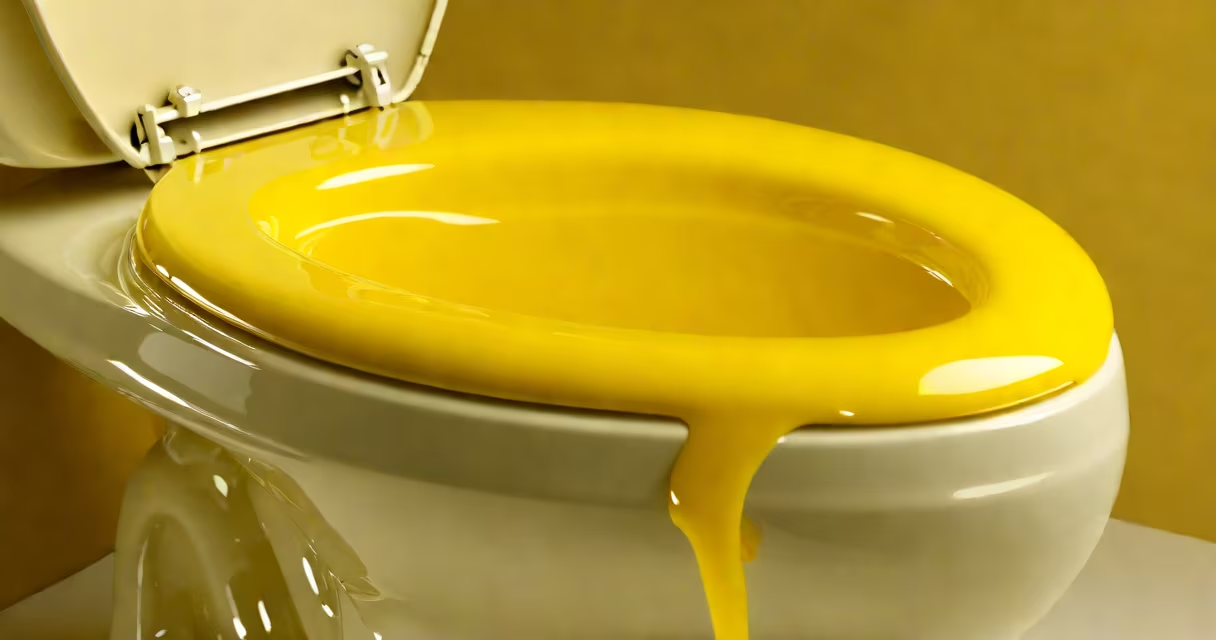
Really yellow diarrhea is loose, watery stool with a vivid yellow hue, often indicating rapid digestion or excess bile in the intestines. It may result from infections, dietary changes, or underlying liver or gallbladder conditions. Persistent cases require medical evaluation.
Diarrhea occurs when intestinal contents move too quickly through the gut, preventing normal bile breakdown. Bile, produced by the liver and stored in the gallbladder, is normally converted into brown pigments during digestion. When transit time is shortened-such as during acute gastroenteritis-the bile doesn't have time to change color, resulting in bright yellow or greenish stools. This explains why really yellow diarrhea often appears suddenly after eating contaminated food or during viral illness.
For example, a 34-year-old woman developed severe, mustard-yellow diarrhea within six hours of eating undercooked chicken at a picnic. She experienced cramping and fever. Stool tests confirmed *Salmonella* infection. After three days of antibiotics and hydration, her stool returned to normal brown color. This illustrates how pathogenic bacteria can accelerate gut motility and alter stool appearance.
Several factors contribute to really yellow diarrhea. The most common is accelerated intestinal transit due to infection, stress, or food intolerance. Infections such as *Giardia lamblia*, *Clostridioides difficile*, or norovirus disrupt normal digestion and prevent bile pigment conversion. These pathogens cause inflammation and speed up bowel movements, leading to yellow or green stools.
Dietary intake also plays a role. Consuming large amounts of foods high in fat or artificial dyes-like yellow-colored candies, energy drinks, or processed snacks-can temporarily alter stool color. However, this effect is usually mild and resolves within 24-48 hours after stopping the food. A 2021 study published in Frontiers in Nutrition found that individuals consuming >50 grams of added sugar daily had a 2.3-fold higher chance of experiencing abnormal stool color, including yellow, compared to low-sugar consumers.
More serious causes include malabsorption syndromes and liver disease. In conditions like celiac disease or pancreatic insufficiency, fats aren't properly broken down. Undigested fat passes into the colon, where it mixes with bile and forms greasy, pale-yellow stools. Chronic cases may lead to steatorrhea-foul-smelling, floating stools due to high fat content. According to the American Gastroenterological Association, 15% of patients with unexplained chronic diarrhea test positive for celiac disease.
While occasional really yellow diarrhea is often benign, persistent or recurring episodes demand attention. Red flags include fever above 101°F (38.3°C), blood in stool, dehydration signs (dry mouth, dizziness, reduced urination), or weight loss. These indicate potential infection, inflammatory bowel disease, or systemic illness.
Jaundice-yellowing of the skin and eyes-is a critical warning sign. It suggests bilirubin buildup due to liver dysfunction or bile duct obstruction. If really yellow diarrhea appears alongside jaundice, consult a doctor immediately. A 2020 review in Journal of Hepatology reported that 68% of patients with obstructive jaundice presented with pale or yellow stools before diagnosis.
Many assume that yellow diarrhea always means a bacterial infection. But this is incorrect. While infections are a frequent cause, dietary factors and chronic conditions like irritable bowel syndrome (IBS) can also produce yellow stool. IBS patients report altered stool color in 37% of episodes, according to a 2019 survey in Neurogastroenterology & Motility.
Another misconception is that yellow diarrhea equates to "bad" or "toxic" stool. This is not medically accurate. The color reflects bile presence, not toxicity. A stool's color alone cannot diagnose illness. For example, people taking certain supplements-like iron or bismuth-may see black or dark stools, while others consuming turmeric or beta-carotene-rich foods may develop orange-yellow hues. These are harmless unless accompanied by symptoms.
A key distinction lies between truly yellow diarrhea and highlighter yellow diarrhea. Highlighter yellow diarrhea-bright, unnatural yellow resembling fluorescent markers-is rare and typically linked to excessive consumption of artificial dyes. It's not a standard clinical term but appears in patient reports. If someone describes their stool as "like a highlighter," consider recent intake of brightly colored beverages or candy. This can help differentiate diet-induced discoloration from pathological causes.
The following table outlines common causes of really yellow diarrhea, their typical duration, and associated symptoms:
| Category | Common Causes | Duration | Associated Symptoms |
|---|---|---|---|
| Infection | Salmonella, Giardia, norovirus | 1-7 days | Fever, cramps, nausea |
| Dietary | Artificial dyes, high-fat meals, supplements | 12-48 hours | No systemic symptoms |
| Malabsorption | Celiac disease, pancreatic insufficiency | Chronic (weeks/months) | Weight loss, bloating, floating stools |
| Liver/Biliary | Jaundice, gallstones, hepatitis | Persistent | Skin/yellow eye discoloration, dark urine |
One personal observation: During a week-long hiking trip, I consumed multiple energy gels with artificial coloring. By day three, my stool turned intensely yellow-resembling highlighter ink. After stopping the gels, color normalized within 24 hours. This experience confirmed that artificial dyes can dramatically affect stool appearance, even in healthy individuals.
Really yellow diarrhea lasting longer than five days, especially with fever, blood, or dehydration, requires evaluation. The Centers for Disease Control and Prevention recommends seeking care if diarrhea persists beyond 72 hours in adults or 24 hours in children. Stool cultures, blood tests, or imaging may be needed to rule out infections or structural issues.
Really yellow diarrhea is not inherently dangerous. It often resolves on its own. But when paired with systemic symptoms or prolonged duration, it signals a need for medical assessment. Recognizing the difference between temporary discoloration and a symptom of deeper illness ensures timely intervention and better outcomes.