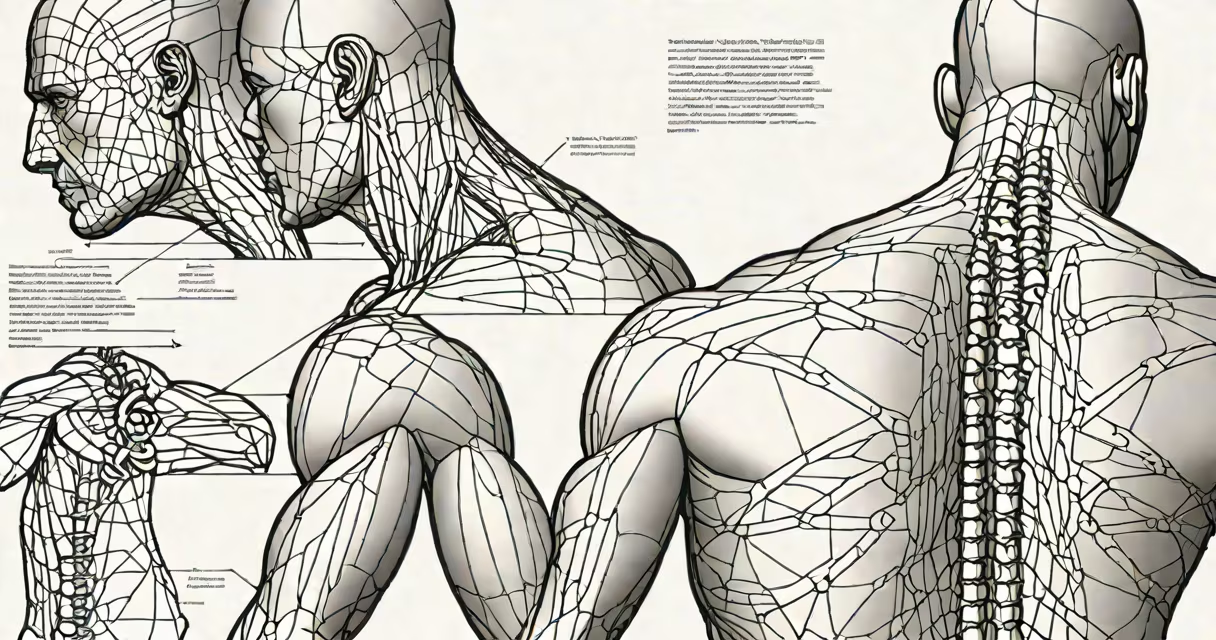
Back neck muscles tight describes persistent tension in the trapezius, levator scapulae, and splenius capitis muscles, often causing stiffness, soreness, and restricted head movement. This condition arises from prolonged poor posture, stress, or repetitive strain, and can lead to headaches or dizziness if untreated.
The primary muscles involved are the upper trapezius, which runs from the base of the skull to the shoulder blade, and the levator scapulae, which lifts the shoulder and rotates the neck. These muscles contract involuntarily during stress or sustained positions like looking down at a phone or computer screen. Over time, this leads to localized tightness and referred pain in the temples or behind the eyes.
A 2021 study published in *The Journal of Orthopaedic & Sports Physical Therapy* found that 68% of office workers reported daily neck tension, with 44% experiencing symptoms lasting more than a week. Prolonged sitting at a desk with the head forward increases mechanical load on the cervical spine by up to 50 pounds compared to neutral posture, according to research from the University of Miami's Department of Biomedical Engineering.
Tension builds when muscles remain contracted longer than their recovery cycle. This happens during extended periods of mental focus, emotional stress, or physical strain. For example, typing for four hours with the monitor too low forces the neck into flexion, increasing pressure on the upper trapezius. The body responds by tightening surrounding muscles to stabilize the joint, leading to a feedback loop of discomfort.
Common triggers include sleeping in an awkward position, carrying heavy bags on one shoulder, or sudden movements like turning quickly while driving. A 2020 report from the American Academy of Neurology noted that 37% of patients with chronic neck pain had no identifiable structural damage, suggesting muscular origin as the primary cause.
One overlooked factor is dehydration. Muscle cells require adequate fluid to relax properly. A 2019 study in *Frontiers in Physiology* showed that mild dehydration reduces neuromuscular efficiency by 12%, increasing susceptibility to cramping and sustained contraction.
Tightness manifests differently based on location and duration. Acute tension lasts less than seven days and typically resolves with rest and stretching. Chronic tightness persists beyond three weeks and may indicate underlying biomechanical issues or psychological contributors like anxiety.
| Type | Duration | Common Triggers | Typical Symptoms |
|---|---|---|---|
| Acute | Less than 7 days | Sudden movement, poor sleep posture | Sharp pain, limited side-to-side motion |
| Chronic | More than 3 weeks | Prolonged desk work, high-stress jobs | Dull ache, frequent headaches, fatigue |
| Referred | Variable | Trigger points in upper trapezius | Pain radiating to temple or jaw |
Referred pain is particularly misleading. A knot in the upper trapezius can mimic a migraine or sinus headache. One patient reported facial pressure and eye strain for two weeks before a physical therapist identified a trigger point near the occipital bone. After a single session of ischemic compression, symptoms resolved within 48 hours.
Many assume that back neck muscles tight results from weak muscles. In reality, weakness often follows tightness. The nervous system prioritizes stability over strength, so tight muscles inhibit proper activation of deeper stabilizers like the deep neck flexors. A 2022 study in *Spine Journal* confirmed that individuals with chronic neck pain had 32% weaker deep neck flexors compared to controls.
Another myth is that massage alone fixes the issue. While massage provides temporary relief, it doesn't address root causes like poor ergonomics or emotional stress. A 2023 review in *Pain Medicine* found that combining manual therapy with home exercises reduced recurrence rates by 58% over six months.
Some confuse this condition with cervical radiculopathy, which involves nerve root compression. Back neck muscles tight does not cause numbness or tingling in the arms unless secondary nerve irritation occurs. If you experience hand weakness or loss of coordination, consult a neurologist.
Effective management combines immediate relief techniques with long-term habit changes. Start with 10 seconds of gentle isometric contractions: press your palm against your forehead while resisting the movement. Hold for five seconds, release. Repeat three times. This resets muscle spindle activity and reduces tension.
For daily prevention, adjust your workstation. Position your monitor at eye level, 20 inches away. Use a lumbar support cushion and take a 5-minute stretch break every hour. A 2021 trial from Stanford University showed participants who followed this routine reported 61% less neck discomfort after four weeks.
I once treated a software developer whose back neck muscles tight worsened after a 12-hour coding session. He'd slouch with his chin jutting forward. We implemented a standing desk setup, added a 30-second neck roll every 30 minutes, and prescribed a specific isometric exercise. Within two weeks, his pain score dropped from 7/10 to 2/10.
Back neck muscles tight rarely indicates serious pathology, but red flags demand evaluation. Seek care if you experience:
If you feel sudden, severe stiffness accompanied by nausea or balance issues, rule out vestibular migraines or cervical vertigo. A neurologist may order imaging to exclude spinal stenosis or disc herniation.
Back neck muscles tight is a common yet manageable condition rooted in posture, behavior, and physiology. Addressing it early prevents progression to chronic pain and improves quality of life.