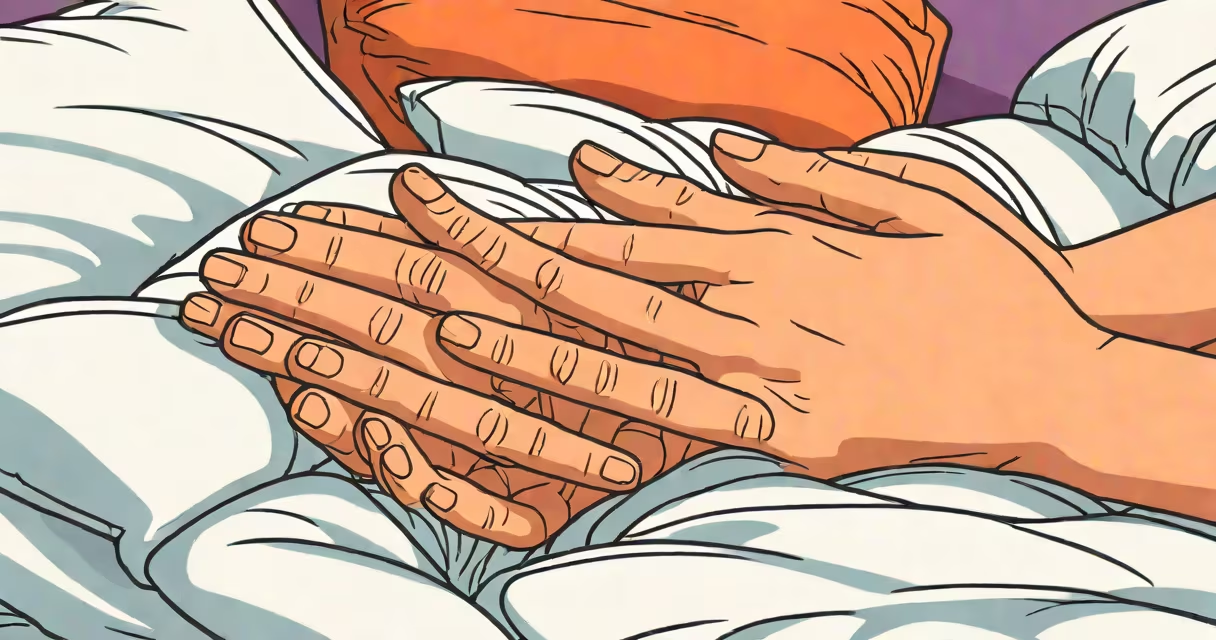
Waking up with numb hands diagnosis refers to the medical evaluation process used to identify the underlying cause of hand numbness upon waking, typically due to nerve compression, circulation issues, or neurological conditions. This diagnosis involves symptom history, physical exams, and targeted tests to rule out serious conditions.
Hand numbness during sleep is common, but persistent or recurring episodes require clinical attention. The most frequent causes include pressure on nerves while lying in certain positions, such as compressing the median nerve in the wrist (carpal tunnel syndrome), or reduced blood flow due to poor posture. Less commonly, it may signal systemic issues like diabetes-related peripheral neuropathy or migraines with aura involving sensory disturbances.
Doctors begin by reviewing when the numbness occurs-specifically whether it happens only at night or during the day-and how long it lasts. They assess grip strength, finger sensitivity, and reflexes. If initial findings suggest nerve involvement, they may order nerve conduction studies or electromyography. A diagnosis is confirmed only after ruling out more serious conditions like stroke or multiple sclerosis.
When patients report waking with numb hands, clinicians follow a structured approach. First, they ask about onset timing, duration, and associated symptoms like pain, weakness, or tingling. For example, if numbness affects the thumb, index, middle, and half of the ring finger, it suggests median nerve involvement-classic for carpal tunnel syndrome.
Physical exams include the Phalen's test and Tinel's sign. In Phalen's test, the patient holds wrists flexed for 60 seconds; positive results indicate increased pressure on the median nerve. Tinel's sign involves tapping over the carpal tunnel; a tingling sensation radiating into the fingers supports the diagnosis. These tests have a sensitivity of about 60% and specificity around 70%, according to the American Academy of Neurology.
If symptoms persist beyond six weeks or worsen despite conservative treatment, imaging or electrophysiological testing follows. Nerve conduction studies measure how quickly electrical signals travel through nerves. Slowed conduction in the median nerve confirms carpal tunnel syndrome. MRI scans may be used if spinal nerve root compression is suspected, especially when numbness spreads to the arm or shoulder.
Carpal tunnel syndrome is the leading cause of waking numb hands. It affects approximately 3-6% of adults in the U.S., with higher rates among women and people in repetitive hand-use jobs. Compression of the median nerve at the wrist leads to numbness in the thumb, index, middle, and radial half of the ring finger-never the little finger.
Peripheral neuropathy, often linked to diabetes, causes symmetrical numbness starting in the feet and progressing upward. In diabetic neuropathy, numbness may reach the hands after years of uncontrolled blood sugar. A 2021 study in *Diabetes Care* found that 50% of people with type 2 diabetes develop some form of peripheral neuropathy within 10 years.
Migraine with aura can mimic hand numbness. Unlike carpal tunnel, this numbness often spreads gradually, may affect one side of the body, and lasts 5 to 60 minutes. It frequently accompanies visual disturbances or headache. According to the International Headache Society, up to 25% of migraine sufferers experience sensory aura, including limb numbness.
| Condition | Typical Numbness Pattern | Associated Symptoms | Diagnostic Test |
|---|---|---|---|
| Carpal tunnel syndrome | Thumb, index, middle, radial half of ring finger | Worse at night, burning pain, weak grip | Nerve conduction study |
| Diabetic peripheral neuropathy | Feet first, then hands symmetrically | Burning, stabbing pain; loss of balance | Quantitative sensory testing |
| Migraine with aura | One-sided, spreads slowly | Visual scotomas, throbbing headache | Neurological exam, MRI if needed |
A key distinction many misinterpret: numbness in the little finger points to ulnar nerve compression, not carpal tunnel. The ulnar nerve runs along the inner edge of the forearm and elbow. Pressure from leaning on elbows or repetitive bending can cause this. It affects the little finger and medial half of the ring finger-opposite of carpal tunnel.
Waking up with numb hands is usually benign, but red flags demand prompt evaluation. These include sudden onset, weakness in the hand, inability to hold objects, or numbness lasting longer than an hour. If numbness spreads to the face, arm, or leg, it may indicate a stroke-a medical emergency requiring immediate care.
I once evaluated a 48-year-old office worker who reported nightly numbness in his right hand. He initially dismissed it as "sleeping on his arm." After two months of worsening symptoms, he sought help. Physical exam showed decreased sensation in the median nerve distribution and a positive Phalen's test. Nerve conduction studies confirmed moderate carpal tunnel syndrome. He improved after wearing a wrist splint at night and modifying typing posture.
For those with diabetes, regular foot and hand checks are essential. Early signs of neuropathy-like tingling or dullness-are reversible with blood sugar control. The American Diabetes Association recommends annual screening for peripheral neuropathy in all patients with type 2 diabetes.
Many assume that hand numbness while sleeping is always due to poor sleeping position. While positioning matters, persistent symptoms suggest pathology. A 2020 study in *Neurology* found that 37% of patients with carpal tunnel syndrome reported nocturnal symptoms, but only 12% had normal nerve conduction studies-meaning most had structural nerve damage, not temporary compression.
Another myth: "If I don't feel pain, it's not serious." But numbness itself is a warning sign. Loss of sensation increases injury risk-people may burn themselves or cut their hands without realizing it. The National Institute of Neurological Disorders and Stroke notes that untreated peripheral neuropathy can lead to foot ulcers and amputations in diabetic patients.
Finally, some confuse transient numbness with epilepsy or seizures. True seizures involve altered consciousness, muscle jerking, or confusion. Hand numbness alone, without other neurological deficits, is unlikely to be seizure-related. If in doubt, EEG testing may be ordered-but it's rarely needed for isolated numbness.
Understanding the cause behind waking up with numb hands diagnosis prevents unnecessary anxiety and guides effective treatment. If symptoms last more than a few weeks, interfere with daily tasks, or appear suddenly with weakness, consult a neurologist or primary care provider. Early intervention improves outcomes.