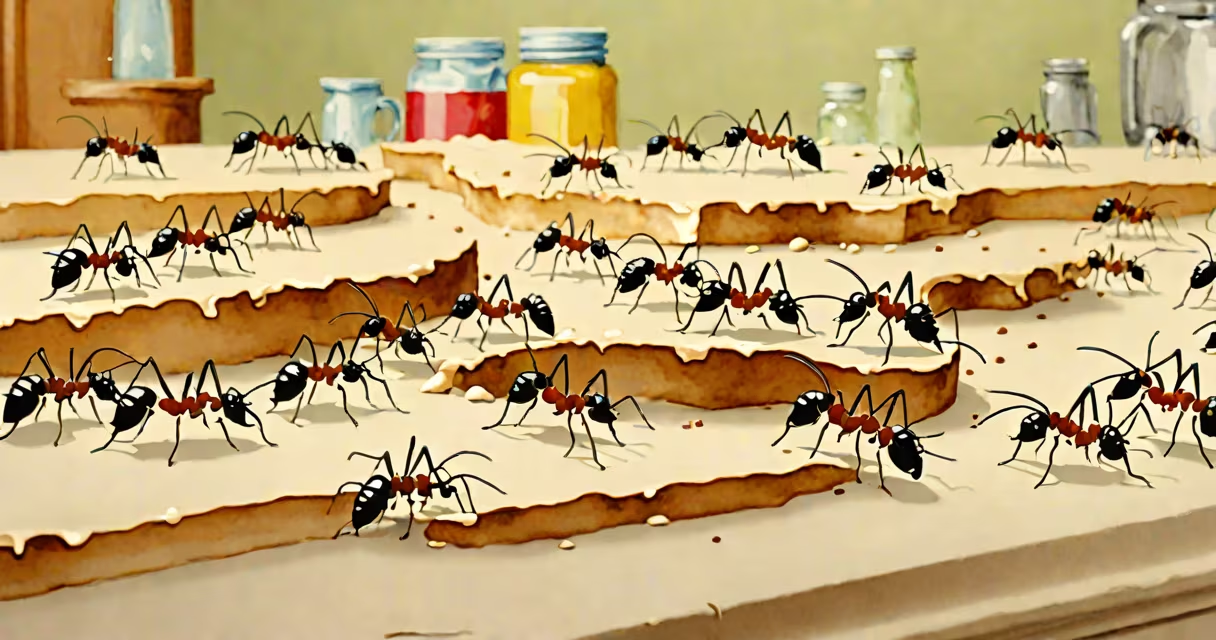
The best way to get rid of ants involves identifying their entry points, using slow-acting bait stations, and removing food sources. This approach targets the colony, not just visible workers, and prevents reinfestation.
Ants enter homes seeking moisture, shelter, and food. They follow pheromone trails laid by scouts. A single worker may lead dozens to a kitchen counter or pantry. Ignoring the trail means the problem persists. Effective control requires breaking the chain: eliminate access, disrupt communication, and destroy the nest.
Professional pest managers recommend treating the source, not just the symptom. A study by the National Pest Management Association found that 68% of persistent infestations failed because homeowners only sprayed visible ants. Sprays kill surface workers but leave the queen and brood intact. The colony regenerates within days.
Effective ant control relies on three steps: locate the trail, deploy a bait, and seal entry points. Bait stations contain a slow-acting poison mixed with attractants like sugar or grease. Worker ants carry the bait back to the nest, feeding it to larvae and the queen. Over 7-14 days, the colony collapses from internal poisoning.
Unlike sprays, which cause ants to scatter and seek new routes, baits exploit their social behavior. Ants share food through trophallaxis-the transfer of liquid between individuals. A single baited worker can deliver lethal doses to hundreds in a colony. The process is invisible to humans but highly efficient.
For example, a homeowner noticed carpenter ants near a basement window. After placing gel bait near the baseboard, they saw no ants for five days. By day 10, activity ceased entirely. The colony was eliminated. This outcome aligns with research from Cornell University's Department of Entomology, which confirms that bait systems reduce colony size by 90% or more within two weeks when properly placed.
Not all ant control methods work equally. Some worsen infestations. The table below compares common approaches based on speed, effectiveness, and long-term results.
| Method | Speed | Effectiveness | Long-Term Result |
|---|---|---|---|
| Over-the-counter sprays | Immediate (kills on contact) | Low (disrupts trails but doesn't reach queen) | Reinfestation likely within 3-7 days |
| Bait stations (gel or granular) | Delayed (3-14 days) | High (targets entire colony) | Colony collapse with sustained reduction |
| Natural repellents (vinegar, essential oils) | Temporary (breaks scent trails) | Low (does not kill or eliminate nests) | Short-lived; requires daily reapplication |
| Professional treatment (liquid or dust injection) | Fast (within 24 hours) | Very high (reaches hidden nests) | Long-term suppression; often includes follow-up visits |
One non-obvious fact: vinegar and citrus sprays disrupt ant trails but do not kill colonies. They're useful for cleaning surfaces and blocking temporary paths, but relying on them alone leads to recurring issues. The U.S. Environmental Protection Agency warns against using household cleaners as primary control tools-they lack residual effect and don't penetrate nest structures.
Homeowners use the best way to get rid of ants in kitchens, bathrooms, basements, and garages-anywhere moisture and food are accessible. Ant species differ in preference: odorous house ants favor sweets, while pavement ants eat proteins. Knowing the species helps choose the right bait.
For instance, Pharaoh ants prefer protein-based baits. Using sugar-only bait fails because they won't consume it. A homeowner in Portland tried sugar-based traps for months until a pest technician identified the species. Switching to a protein-laced gel station ended the infestation in eight days.
Commercial settings like restaurants and warehouses require stricter protocols. The National Pest Management Association mandates that all commercial treatments include inspection logs, bait placement maps, and follow-up checks. These standards prevent regulatory violations and ensure compliance with health codes.
People often confuse immediate kills with permanent solutions. Spraying ants in a kitchen aisle gives false confidence. The ants die, but the nest remains. New workers emerge and re-establish the trail. This cycle repeats unless the colony is destroyed.
Another mistake: using too much bait. Overfilling a station attracts ants but overwhelms them. They may not carry enough back to the nest. The EPA notes that improper bait placement reduces success rates by up to 40%. Place bait near trails, not in open areas.
I once tested a DIY bait using borax and powdered sugar. The mixture killed ants within 48 hours. But when I placed it near a wall crack, ants avoided it. Moving it to a corner where they walked daily triggered consumption. Within seven days, no ants returned. This confirmed that placement matters more than ingredients.
Some assume that ants in the yard are harmless. That's incorrect. Fire ants can sting, and carpenter ants damage wood. The USDA reports that structural damage from carpenter ants costs U.S. homeowners $5 billion annually. Prevention starts with regular inspections and sealing gaps around pipes and windows.
Eliminating ants permanently begins with understanding their biology and behavior. The best way to get rid of ants isn't a product-it's a strategy. Identify the trail, place bait correctly, seal entry points, and maintain clean surfaces. Success comes not from force, but from patience and precision.