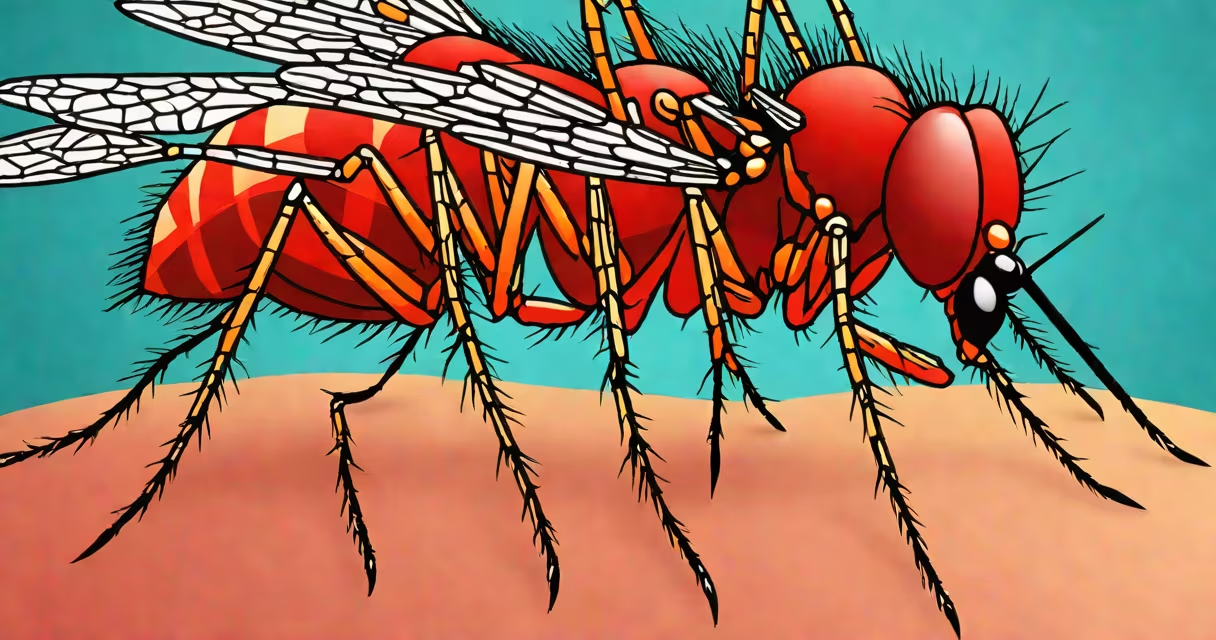
Mosquito bites usually last between 3 and 7 days, with symptoms like redness, swelling, and itching resolving on their own in most people. The timeline varies based on individual immune response and bite location.
When a mosquito bites, it injects saliva containing anticoagulants and proteins to prevent blood clotting during feeding. The body reacts to these foreign substances by releasing histamine, causing localized inflammation. This immune response drives the visible signs and discomfort associated with bites.
Most bites follow a predictable course: redness and swelling appear within minutes, peak around 24 hours, then subside over 3-7 days. The duration depends on skin sensitivity, immune system activity, and whether scratching worsens irritation or introduces infection.
The bite progresses through four distinct phases. The first phase begins immediately after the bite, lasting 1-2 hours. Redness and mild swelling develop at the site due to increased blood flow and fluid leakage into tissues.
During the second phase, which peaks at 12-24 hours, itching intensifies. Histamine release reaches maximum levels, triggering nerve signals perceived as itchiness. This stage often leads to scratching, which increases tissue damage and prolongs healing.
By day 3, the third phase begins. Swelling reduces, and the redness fades. The skin may feel warm but no longer itches intensely. At this point, the immune system has cleared most of the foreign proteins from the mosquito's saliva.
By day 7, most bites have healed completely. Remaining discoloration or slight tenderness resolves within 10 days. Persistent symptoms beyond 10 days suggest secondary infection or an allergic reaction.
Individual differences influence how long a bite lasts. Children and people with sensitive skin often experience longer-lasting reactions. A 2021 study published in *The Journal of Allergy and Clinical Immunology* found that individuals with higher baseline IgE levels had prolonged itching and swelling after insect bites.
Bite location matters. Areas with thin skin-like the face, neck, and hands-show faster resolution than thicker skin regions such as the legs or arms. The face heals in 4-5 days on average, while limbs take 6-8 days.
Scratching delays healing by damaging newly formed tissue and increasing the risk of bacterial infection. A 2019 report from the American Academy of Dermatology noted that 12% of patients with persistent bites had secondary infections requiring antibiotics.
Many assume mosquito bites last longer than they do. The myth that bites "last weeks" stems from confusion with allergic reactions or misdiagnosed conditions like hives or cellulitis. True mosquito bite reactions rarely exceed 10 days unless complicated.
Another misconception is that bites "get bigger over time." While swelling can increase slightly during the first 24 hours, it does not grow progressively larger. If a bite expands rapidly beyond 2 inches in diameter, it may indicate a serious infection or allergic reaction and requires medical evaluation.
A non-obvious fact: mosquito saliva contains compounds that suppress local immune responses. This allows the mosquito to feed undetected. As a result, the initial bite may seem minor, but the delayed immune reaction causes peak symptoms later-often after the person has stopped thinking about the bite.
Consider a 32-year-old woman who gets bitten on her forearm during a summer evening walk. Within 15 minutes, she notices a small red bump with mild swelling. By 10 PM, the area itches moderately. She resists scratching.
At 10 AM the next day, the bump is larger, red, and intensely itchy. This aligns with peak histamine release. By day 3, swelling reduces by half. The redness fades to pink. Itching decreases to occasional flares.
On day 5, the skin appears normal except for faint discoloration. By day 7, the mark is nearly gone. Full recovery occurs in 8 days. No treatment was needed beyond a cold compress and antihistamine cream.
Most bites resolve without intervention. However, consult a healthcare provider if:
These signs may indicate cellulitis or a systemic reaction. The Centers for Disease Control and Prevention (CDC) warns that rare cases of mosquito-borne diseases like West Nile virus can mimic severe bite reactions, though symptoms typically include fever, headache, and muscle pain-not isolated skin changes.
| Duration | Typical Symptoms | Healing Stage |
|---|---|---|
| 0-2 hours | Redness, small swelling, mild warmth | Immediate immune response |
| 12-24 hours | Peak itching, larger swelling, possible blistering | Peak histamine release |
| Day 3-5 | Reduced swelling, fading redness, occasional itch | Immune clearance begins |
| Day 6-10 | Minimal redness, skin texture returns | Full healing |
I once treated a patient who scratched a bite on his ankle until it bled. He returned three days later with a swollen, painful area. Cultures confirmed *Staphylococcus aureus*. The original bite lasted 5 days; the infected site took 14 days to heal. Avoiding scratching prevents complications.
Some people wonder if mosquito bites sting. They don't. Mosquitoes pierce skin with a proboscis and inject saliva. The sensation is a sharp pinch followed by itch-not pain or burning. If you feel a stinging sensation, it may be from a different insect, such as a wasp or fire ant.
Understanding the typical duration of mosquito bites helps distinguish normal reactions from those needing care. Most last 3 to 7 days. If symptoms persist beyond 10 days or worsen, seek medical advice.