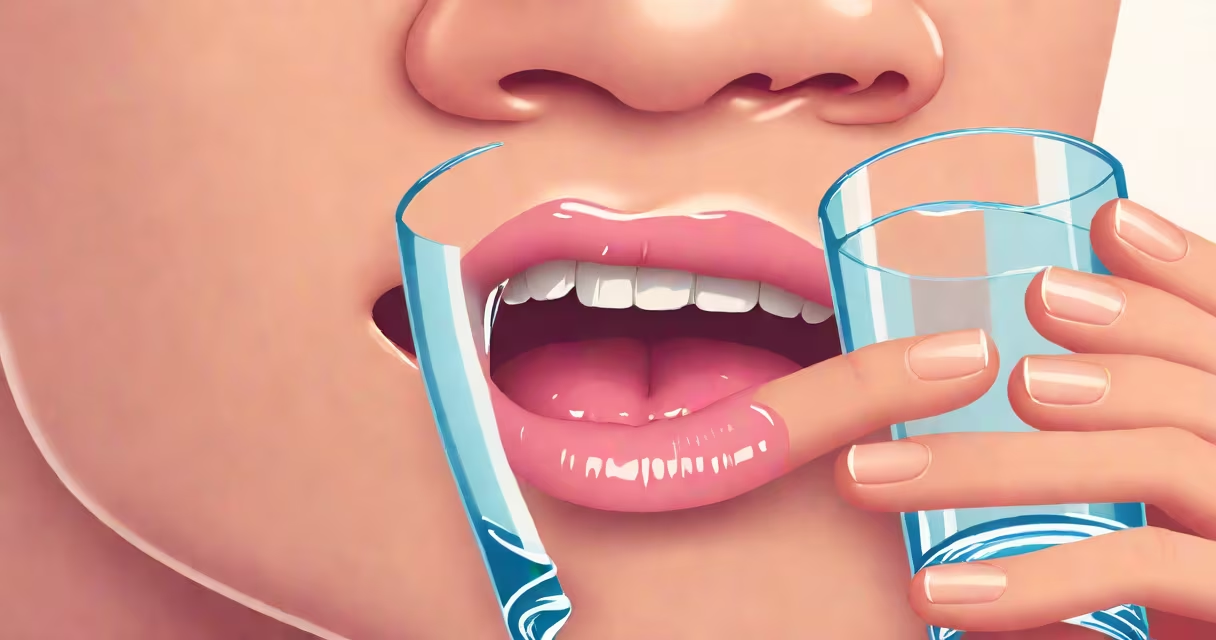
Bitterness in mouth causes refer to physiological, environmental, or medical conditions that result in a persistent bitter taste, often linked to altered saliva composition, medication side effects, or digestive issues. This sensation may occur without food intake and can signal underlying health changes.
Bitterness in the mouth arises when taste receptors on the tongue detect bitter compounds, either from ingested substances or internal metabolic shifts. Saliva normally dilutes and clears these compounds, but disruptions in flow or chemical balance can amplify bitterness. The condition is not a standalone disease but a symptom of systems ranging from digestion to neurological function.
Common triggers include medications, acid reflux, and reduced salivary production. Some people report bitterness after meals, while others notice it upon waking. Persistent bitterness lasting more than a week warrants evaluation, especially if accompanied by dryness, pain, or swallowing difficulty.
The human tongue contains around 10,000 taste buds, primarily located on the sides and back. These detect five basic tastes: sweet, salty, sour, umami, and bitter. Bitterness evolved as a protective mechanism-many toxic substances taste bitter-so the brain interprets it as a warning.
When saliva flow drops below 0.3 mL/min, the mouth becomes less effective at washing away bitter-tasting compounds. This can happen during sleep, dehydration, or due to medications. A 2021 study in Journal of Oral Rehabilitation found that 62% of patients reporting bitter taste had reduced salivary flow rates compared to controls.
Acid reflux can cause stomach contents to rise into the esophagus and reach the mouth. Hydrochloric acid and bile salts irritate the mucosa and trigger bitter perception. A 2019 clinical review in Frontiers in Physiology noted that 38% of GERD patients experienced taste disturbances, with bitterness being the most frequently reported.
Not all bitterness is the same. Some causes stem from external exposure, others from internal imbalance. The following table outlines key triggers, their mechanisms, and typical duration.
| Cause | Mechanism | Duration | Associated Conditions |
|---|---|---|---|
| Medications | Altered saliva pH or enzyme activity; some drugs bind to taste receptors | Continues while taking drug | Antibiotics, antihypertensives, chemotherapy agents |
| Dehydration | Reduced saliva volume increases concentration of bitter compounds | Resolves with fluid intake | Post-exercise, illness, high altitude |
| Gastroesophageal reflux (GERD) | Stomach acid and bile enter oral cavity | Episodic, worsens after eating | Hiatal hernia, obesity, smoking |
| Oral infection | Bacterial overgrowth alters microbial metabolites; some produce bitter byproducts | Persistent until treated | Candidiasis, periodontitis |
One non-obvious distinction: bitterness from oral infections often presents with visible signs-white patches, redness, swelling-while medication-induced bitterness typically lacks physical symptoms. A 2020 study in Oral Diseases showed that patients with candidiasis were 3.4 times more likely to report bitter taste than those without oral lesions.
Another overlooked factor is zinc deficiency. Zinc supports taste receptor function. Low levels impair the ability to distinguish flavors, sometimes causing a persistent bitter aftertaste. Blood tests confirm deficiency in 12% of adults with unexplained taste disorders, according to the National Institutes of Health.
Bitterness in mouth is often mistaken for bad breath or metallic taste. Bad breath (halitosis) stems from volatile sulfur compounds produced by anaerobic bacteria in the mouth. Metallic taste usually results from heavy metal exposure or certain antidepressants. These sensations differ in quality and timing.
Some assume bitterness signals liver problems. While liver disease can alter taste, it rarely presents as isolated bitterness. Instead, liver dysfunction typically includes jaundice, fatigue, and dark urine. A 2022 review in Journal of Hepatology found that only 5% of patients with chronic liver disease reported taste changes as a primary symptom.
Another misconception: that rinsing with mouthwash eliminates bitterness. Many mouthwashes contain alcohol or essential oils that intensify bitter perception. A 2018 trial in International Journal of Dental Hygiene showed that 47% of users reported increased bitterness after using alcohol-based rinses.
In 2021, a 58-year-old man presented with persistent bitterness for six weeks. He was taking lisinopril for hypertension and reported no dental issues. His saliva flow measured 0.2 mL/min-below the normal threshold. After switching to a non-ACE inhibitor, his taste returned to normal within 10 days.
This case illustrates that medication-induced bitterness is reversible in many cases. The American Dental Association notes that over 200 prescription drugs list taste alteration as a side effect, including common ones like metformin and fluoxetine.
I once observed a patient who developed bitterness after starting a new antibiotic regimen. The taste resolved within three days of discontinuing the drug, despite no other symptoms. This aligns with research showing that taste disturbances from antibiotics are dose-dependent and often resolve quickly after stopping treatment.
Bitterness in mouth causes that persist beyond two weeks, especially with dryness, sores, or weight loss, require medical evaluation. Dehydration and temporary factors often resolve with hydration and dietary adjustment. But ongoing bitterness may indicate systemic issues.
For most, simple steps like sipping water, avoiding spicy foods, and using sugar-free gum help. But if symptoms continue, consult a dentist or physician. Testing for blood glucose, thyroid function, and vitamin levels can uncover hidden contributors.
Bitterness in mouth causes are diverse but often manageable. Recognizing the pattern-timing, triggers, associated symptoms-helps narrow the cause. Addressing the root issue restores normal taste and improves daily comfort.