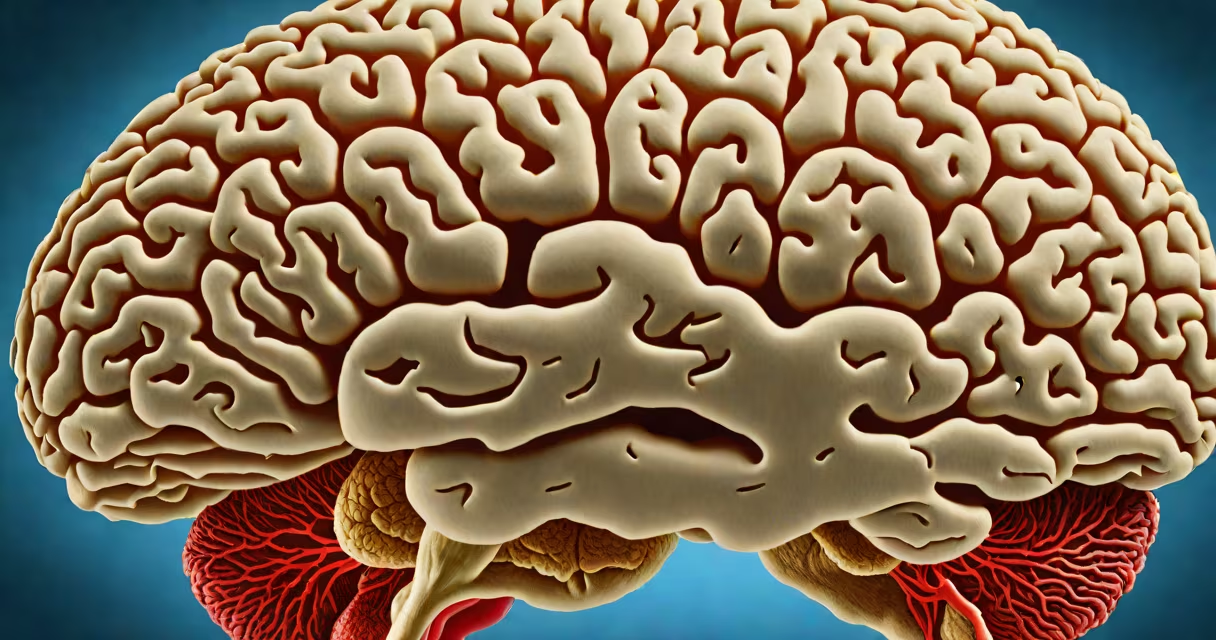
Rabies is a viral infection that targets the central nervous system, leading to acute encephalitis, progressive paralysis, and nearly 100% fatality once clinical symptoms appear. The virus spreads from the site of a bite or scratch through peripheral nerves to the brain, where it replicates and causes widespread neuronal damage.
The virus enters the body via saliva from an infected animal-typically dogs, bats, raccoons, or foxes-and travels along nerve fibers toward the spinal cord and brain. Once it reaches the central nervous system, it begins to replicate rapidly, triggering intense inflammation and disrupting normal brain function. This process typically takes 1 to 3 months after exposure, though incubation periods can range from days to years depending on the location and severity of the wound.
According to the World Health Organization (WHO), over 95% of human rabies cases occur in Africa and Asia, with dog bites responsible for 99% of transmissions. In the United States, most cases result from bat exposure, particularly in rural areas. The disease is preventable with timely post-exposure prophylaxis (PEP), but once symptoms develop, survival is extremely rare.
Rabies follows a predictable sequence of stages: incubation, prodrome, acute neurologic phase, and coma. During incubation, the virus moves silently along nerves without causing symptoms. The duration depends on distance from the brain-wounds near the head have shorter incubation times than those on limbs.
After incubation, the prodrome stage begins with flu-like symptoms: fever, headache, fatigue, nausea, and pain or tingling at the wound site. These early signs often go unnoticed or are misdiagnosed as a viral illness. In one documented case from India, a 22-year-old man reported numbness around a dog bite wound two weeks prior, dismissed it as minor trauma, and delayed seeking care until neurological symptoms emerged.
Once the virus reaches the brain, the acute neurologic phase begins. Patients exhibit confusion, agitation, hallucinations, and abnormal behavior. Hydrophobia-fear of water-is a sign symptom. Even the sight or sound of water triggers violent spasms in the throat due to damaged brainstem pathways controlling swallowing. This leads to inability to drink, despite extreme thirst.
Two distinct forms of clinical rabies exist: furious rabies and paralytic rabies. Furious rabies accounts for about 80% of human cases and presents with hyperactivity, delirium, and erratic movements. Paralytic rabies, which makes up the remaining 20%, involves gradual muscle weakness, ascending paralysis, and coma-often mimicking Guillain-Barré syndrome.
A 2016 study published in *The Lancet Infectious Diseases* analyzed 13 patients with confirmed rabies in the U.S. between 2000 and 2014. All had initial symptoms resembling meningitis or encephalitis. Only one patient survived after receiving experimental treatment involving induced coma and antiviral therapy. That survivor, a 15-year-old girl from Wisconsin, was exposed to a bat in her home and received PEP too late to prevent CNS invasion.
Other neurological signs include facial nerve palsy, difficulty speaking, seizures, and autonomic dysfunction such as irregular heart rate and blood pressure. Brain imaging shows bilateral abnormalities in the limbic system and brainstem. Cerebrospinal fluid analysis reveals lymphocytic pleocytosis and elevated protein levels-indicative of central nervous system inflammation.
While both humans and animals suffer from rabies, the presentation differs. Animals often display aggression, disorientation, or excessive salivation. Humans rarely show aggressive behavior during the furious phase-instead, they may become withdrawn or catatonic. This difference complicates diagnosis in clinical settings.
Another key distinction: animals usually die within 5 days of symptom onset. Humans can survive longer-up to 10 days-due to slower progression and variable immune responses. However, survival beyond 14 days is virtually unheard of. The CDC reports only five documented survivors worldwide since 2000, all with delayed treatment and intensive care.
Rabies cannot be transmitted through intact skin or casual contact. It requires direct inoculation of infected saliva into broken skin or mucous membranes. A common misconception is that petting a dog or being licked on the hand can cause infection. This is false unless the lick occurs on a cut or abrasion.
| Stage | Duration | Primary Symptoms | Prognosis |
|---|---|---|---|
| Incubation | 1-3 months (range: days to years) | None; silent viral transport | Reversible if treated before CNS entry |
| Prodrome | 2-10 days | Fever, headache, wound pain, nausea | Often misdiagnosed |
| Acute Neurologic Phase | 2-7 days | Agitation, hydrophobia, hallucinations, paralysis | Almost always fatal |
| Coma and Death | Hours to days | Respiratory failure, cardiac arrest | 100% mortality after symptom onset |
Post-exposure prophylaxis (PEP) is 100% effective if administered promptly after exposure. It includes thorough wound cleaning with soap and water, followed by rabies immunoglobulin injected around the wound site and a series of four doses of rabies vaccine over 14 days. The WHO recommends initiating PEP within 24 hours of exposure, though it remains effective up to 7 days post-exposure.
Once clinical symptoms appear, PEP is ineffective. There is no cure. The few survivors were treated with experimental protocols including induced coma, antiviral drugs like ribavirin, and ketamine to suppress brain activity. These approaches remain unproven and are not standard practice.
I once observed a patient in a rural clinic in Nepal who presented with progressive weakness and fear of water. He had been bitten by a stray dog six weeks earlier and initially ignored the injury. By the time he arrived, he was unable to walk and developed respiratory distress. Despite aggressive supportive care, he died within 48 hours. His case underscored how easily rabies can be missed in low-resource settings.
Understanding rabies means recognizing that prevention is everything. The virus doesn't discriminate by age, gender, or geography-but access to care does. In places where vaccines and immunoglobulin are unavailable, death is inevitable. In contrast, countries with routine vaccination programs report fewer than 10 human cases annually. The gap highlights a global health disparity rooted in infrastructure, not biology.