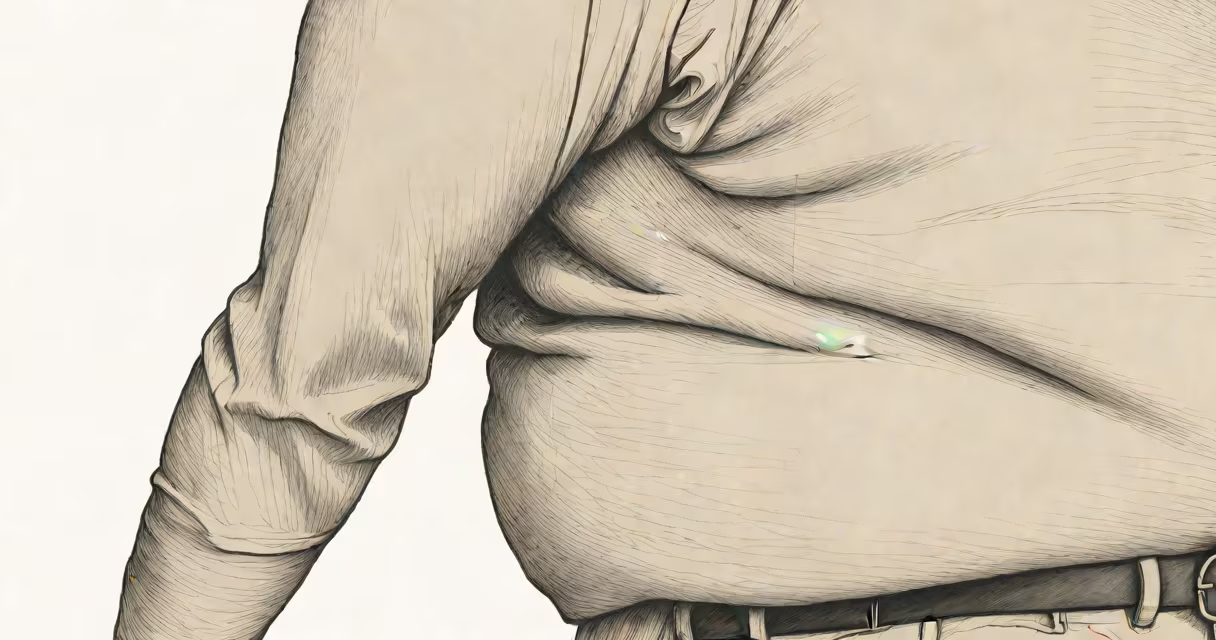
Bloating on one side of the stomach refers to noticeable swelling or fullness localized to either the left or right abdominal quadrant, often accompanied by discomfort, pressure, or visible distension. This asymmetry suggests a localized issue rather than generalized gas or fluid retention.
Unlike generalized bloating, which affects the entire abdomen evenly, unilateral bloating points to specific anatomical or physiological triggers. The left side houses parts of the colon, spleen, and parts of the digestive tract sensitive to fermentation, transit delays, or inflammation. When gas accumulates or stool slows in this region, the result is a distinct bulge or tightness on the left side.
Common culprits include irritable bowel syndrome (IBS), constipation, food intolerances (especially lactose or fructose), and small intestinal bacterial overgrowth (SIBO). Less frequently, structural issues like diverticulosis or ovarian cysts can cause asymmetrical swelling. Identifying the root cause requires attention to timing, diet, bowel habits, and symptom patterns.
The descending colon runs along the left side of the abdomen and processes waste from the upper gastrointestinal tract. When movement slows due to low fiber intake, dehydration, or stress, stool backs up and ferments. Fermentation produces gas-primarily methane and hydrogen-which expands the colon wall and creates a palpable bulge.
A 2021 study published in *Gastroenterology & Hepatology* found that 68% of patients with left-sided bloating had delayed colonic transit times compared to controls. The researchers noted that individuals reporting bloating on the left were more likely to have reduced motility in the sigmoid colon, especially after consuming high-FODMAP foods.
For example, someone who eats a large bowl of pasta with garlic butter may notice increased bloating within 3 hours, primarily on the left. This timing aligns with the time it takes for food to reach the descending colon. The buildup of gas during fermentation explains the localized swelling, not systemic fluid retention.
Not all bloating on one side stems from the same mechanism. Below are common categories based on clinical presentation and diagnostic findings:
| Type | Common Causes | Typical Symptoms | Diagnostic Clue |
|---|---|---|---|
| Gas-related | High-FODMAP foods, lactose intolerance, SIBO | Swelling after meals, rumbling, relief after passing gas | Improves with low-FODMAP diet; positive hydrogen breath test |
| Constipation-induced | Low fiber, inadequate hydration, sedentary lifestyle | Hard stools, infrequent bowel movements, left-side fullness | Visible stool mass on imaging; improved with fiber supplementation |
| Structural | Diverticulosis, ovarian cysts, hernias | Persistent swelling, dull ache, worsening with standing | Ultrasound or CT scan shows mass or pouch formation |
| Inflammatory | IBS, Crohn's disease, ulcerative colitis | Cramping, diarrhea/constipation alternation, bloating post-meals | Endoscopy shows mucosal changes; elevated calprotectin in stool |
One non-obvious distinction: bloating from constipation often feels firm and immobile, while gas-related bloating shifts with position. Lying down and rolling onto the right side may reduce left-side pressure if gas redistributes. This physical response can help differentiate between types.
While most cases of left-sided bloating stem from digestive function, persistent or worsening asymmetry warrants medical evaluation. A 2020 review in *The American Journal of Gastroenterology* warned that unexplained left-sided abdominal swelling can precede early-stage colorectal cancer by months to years.
Red flags include: bloating lasting more than two weeks, unintentional weight loss, blood in stool, or a family history of colorectal cancer. These signs suggest the need for colonoscopy or imaging. For instance, a 52-year-old woman reported bloating on her left side for six weeks, initially attributing it to beans. After a colonoscopy revealed a 2.5 cm polyp in the descending colon, removal prevented progression to malignancy.
Women should consider gynecological causes, especially if bloating coincides with menstrual cycles. Ovarian cysts can grow on the left ovary and press against the colon, mimicking digestive bloating. Ultrasound is the standard tool to rule out this cause.
If bloating is mild and intermittent, start with dietary adjustments. Eliminate known triggers such as dairy, wheat, onions, and legumes for 14 days. Track symptoms using a food and symptom diary. Many patients report improvement within 5-7 days.
For immediate relief, try walking after meals-movement stimulates colonic motility. Over-the-counter simethicone (like Gas-X) reduces gas bubbles but doesn't treat the root cause. Probiotics containing *Bifidobacterium longum* have shown modest benefit in reducing bloating in controlled trials.
For ongoing management, focus on consistent hydration (2.5 liters/day), daily fiber intake (25-30 grams), and regular physical activity. One patient with chronic left-side bloating saw resolution after increasing water intake and adding 30 minutes of brisk walking daily. His bloating decreased by 70% in four weeks, per his symptom log.
Understanding the difference between normal digestion and concerning asymmetry improves outcomes. When bloating is confined to one side, it's not just "gas"-it's a signal. Act on it.