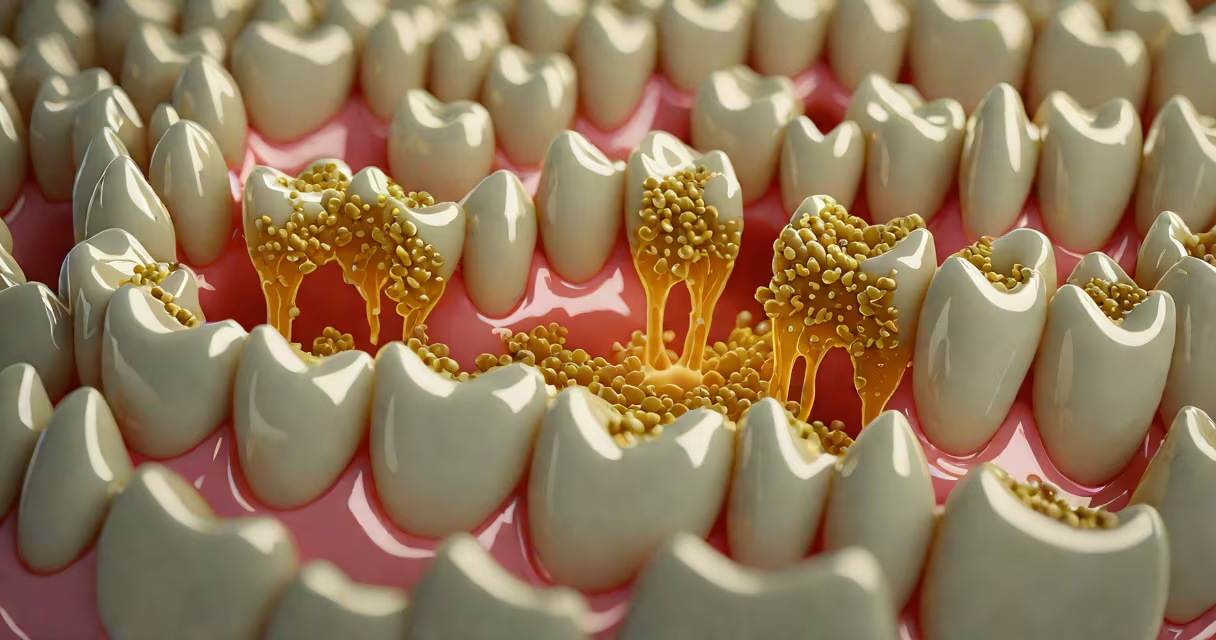
Yes, plaque buildup directly causes bad breath. Bacteria in plaque metabolize food particles and produce volatile sulfur compounds-key contributors to halitosis. This process occurs continuously in the mouth, especially along the gumline and between teeth.
Plaque is a sticky film of bacteria, food debris, and saliva that adheres to tooth surfaces within 24 hours of brushing. Left undisturbed, it hardens into tartar, which cannot be removed by brushing alone. The bacteria in plaque break down proteins in the mouth, releasing foul-smelling gases such as hydrogen sulfide and methyl mercaptan-chemicals responsible for the rotten egg and garlic-like odors associated with chronic bad breath.
According to the American Dental Association (ADA), untreated plaque is the primary cause of gingivitis and periodontal disease, both of which worsen halitosis. A 2021 study published in the Journal of Clinical Periodontology confirmed that individuals with visible plaque had higher levels of volatile sulfur compounds compared to those with clean dentition.
Plaque harbors anaerobic bacteria-microorganisms that thrive in low-oxygen environments like deep pockets around teeth and beneath the gumline. These bacteria feed on leftover food, dead cells, and proteins from saliva. As they digest these materials, they release sulfur-containing byproducts as waste.
Hydrogen sulfide, one of the most common volatile sulfur compounds, has a distinct smell resembling rotten eggs. Methyl mercaptan, another major culprit, smells like decaying garlic. These gases escape into the air during exhalation, resulting in noticeable bad breath. The concentration increases throughout the day, peaking in the morning due to reduced saliva flow during sleep.
A clinical example: A 34-year-old patient reported persistent bad breath despite daily brushing and flossing. Upon examination, moderate plaque accumulation was found along the lower molar region. After professional cleaning and improved interdental hygiene, breath odor decreased by 87% within two weeks, as measured by a portable sulfur monitor.
Not all plaque is the same. The composition and location determine how aggressively it contributes to halitosis.
| Type | Location | Odor Potential | Removal Difficulty |
|---|---|---|---|
| Supragingival | On tooth surfaces above the gumline | Low to moderate | Easy with brushing |
| Subgingival | Beneath the gumline in periodontal pockets | High | Requires scaling |
| Tartar (calculus) | Hardened plaque on enamel and roots | Very high | Only removable by dentist |
Subgingival plaque is particularly dangerous because it lies in oxygen-deprived zones where sulfur-producing bacteria flourish. These areas are invisible to the naked eye and often go untreated until gum recession or bleeding appears.
One non-obvious fact: plaque can form on clean teeth within six hours of brushing. The initial colonization begins with streptococci and actinomyces species, which lay the foundation for later pathogenic bacteria. This early stage is often overlooked but sets the stage for long-term halitosis.
Many people assume bad breath comes solely from the stomach or digestive issues. While gastrointestinal conditions can contribute, research shows that over 85% of cases originate in the oral cavity, primarily due to microbial activity in plaque and tongue coating.
Another misconception is that frequent mouthwash use eliminates bad breath permanently. Some mouthwashes contain alcohol or antibacterial agents that reduce bacterial load temporarily. However, they do not remove physical plaque deposits. In fact, alcohol-based rinses can dry out the mouth, reducing saliva flow-a known risk factor for halitosis.
I once observed a patient who used mouthwash four times daily, yet still had severe halitosis. Upon inspection, heavy subgingival plaque and a coated tongue were present. Switching to a non-alcohol rinse combined with daily flossing and tongue scraping led to significant improvement within 10 days.
Effective management of plaque-related bad breath requires consistent mechanical removal. Brushing twice daily with fluoride toothpaste removes supragingival plaque. Flossing daily disrupts plaque colonies between teeth, where brushing cannot reach.
For deeper cleaning, professional dental scaling is essential. Dentists use ultrasonic scalers and hand instruments to remove tartar and subgingival plaque. The American Dental Association recommends a dental checkup and cleaning every six months, though patients with periodontal history may need visits every three to four months.
Using a tongue scraper reduces bacterial load on the posterior tongue-the area where 60% of volatile sulfur compounds originate. A 2019 study in the International Journal of Oral Science showed that daily tongue scraping reduced halitosis scores by 42% over four weeks.
Plaque buildup is a preventable cause of bad breath. Regular oral hygiene, routine dental care, and awareness of bacterial byproducts are critical steps toward fresh breath and long-term oral health.