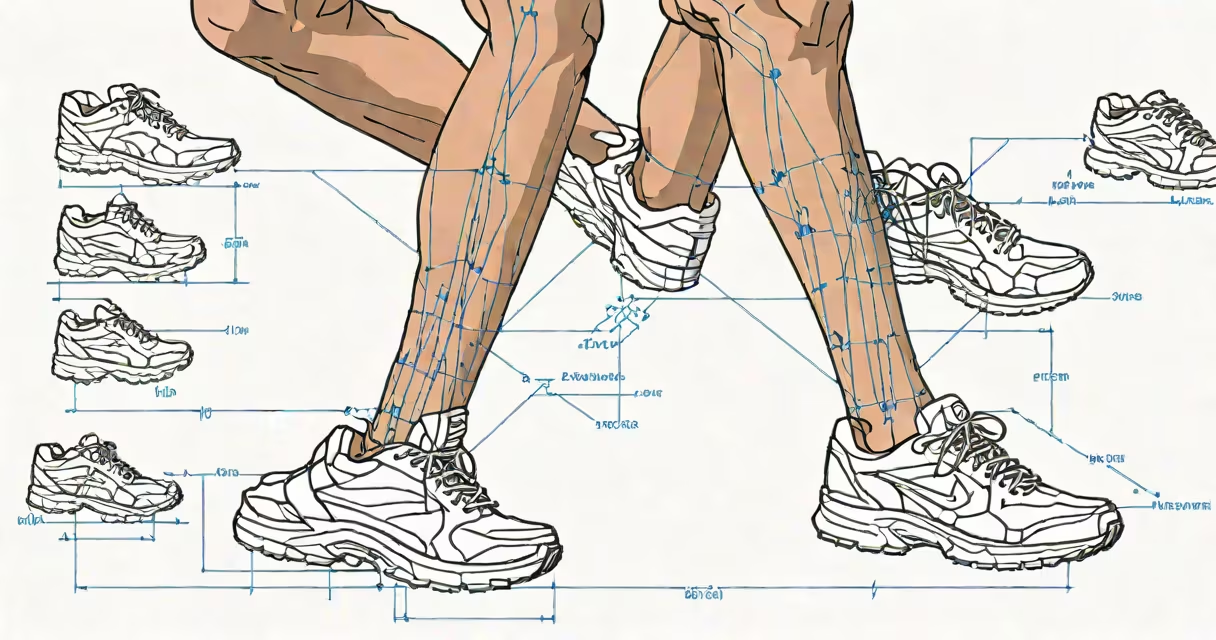
No, you should not walk on a torn calf muscle. Doing so increases bleeding, swelling, and tissue damage, delaying healing and raising the risk of a complete rupture.
A torn calf muscle involves partial or full disruption of the gastrocnemius or soleus muscles. These muscles control plantarflexion-the movement that pushes the foot downward during walking, running, and jumping. When damaged, they lose structural integrity and function.
Immediate symptoms include sharp pain, swelling, bruising, and weakness. Walking on such an injury forces the damaged tissue to bear weight it cannot safely handle, leading to further microtears and prolonged recovery. Medical guidelines recommend rest, ice, compression, and elevation (RICE) within the first 72 hours to reduce inflammation and prevent escalation.
The calf consists of two primary muscles: the gastrocnemius (larger, visible muscle behind the knee) and the soleus (deeper, beneath the gastrocnemius). The gastrocnemius handles explosive movements like sprinting or jumping. The soleus stabilizes posture during standing and walking.
Tears occur when sudden force exceeds the muscle's tensile strength. Common triggers include sprinting, sudden stops, or jumping from height. A "pop" sound at the time of injury is reported in 60% of cases, according to the American Journal of Sports Medicine.
Damage severity is graded on a scale from 1 to 3:
Not all calf pain stems from muscle tears. Confusion often arises between strains, cramps, and tendinopathy. Distinguishing them is critical for proper treatment.
| Injury Type | Onset | Pain Quality | Recovery Time |
|---|---|---|---|
| Grade 1-2 muscle tear | Sudden, during exertion | Sharp, localized, worsens with effort | 2-6 weeks |
| Calf cramp | Acute, during or after activity | Intense, brief spasm; resolves in minutes | Seconds to minutes |
| Posterior tibial tendinopathy | Gradual, over weeks | Dull ache along inner ankle, worsens with standing | 6-12 weeks with rehab |
Cramps are caused by electrolyte imbalance or neuromuscular fatigue, not structural damage. They resolve quickly with stretching and hydration. A true muscle tear requires rest and medical evaluation.
One common mistake is assuming "I can walk through it." This leads to delayed diagnosis. A 2021 study in the British Journal of Sports Medicine found that 44% of athletes who continued activity after a calf strain developed chronic pain or recurrent injury.
If you suspect a torn calf muscle, stop all weight-bearing activity immediately. Continuing to walk causes secondary damage to surrounding fascia and blood vessels.
Use the RICE protocol within 72 hours:
After acute phase, begin gentle range-of-motion exercises under guidance. A physical therapist may prescribe heel lifts or a walking boot for Grade 2 or 3 tears.
Walking too soon increases scar tissue formation, which reduces elasticity and raises reinjury risk. According to the Mayo Clinic, returning to activity before 6 weeks increases recurrence by 3.2 times.
In 2022, a 34-year-old recreational runner experienced sudden pain while sprinting during a 5K race. He walked 100 meters to the finish line, then stopped. Swelling appeared within 2 hours. He ignored it and returned to training the next day.
Three days later, he could not stand on his right foot. MRI confirmed a Grade 2 tear of the medial head of the gastrocnemius. He missed 7 weeks of training and required physical therapy to regain strength.
Had he rested immediately, the recovery time likely would have been 4 weeks. His decision to walk worsened the tear and extended rehabilitation.
Many assume that mild pain allows safe walking. This is false. Even low-grade tears require protection. The body's natural response to stress is inflammation-walking increases blood flow to the area, amplifying swelling and pain.
Another myth: "If I can walk, it's not serious." This is dangerous. Many Grade 2 tears allow limited ambulation due to compensatory movement in adjacent muscles. The absence of total immobility does not indicate safety.
One non-obvious fact: calf tears heal slower than other muscle injuries. The gastrocnemius has poor vascular supply compared to muscles like the biceps. Blood flow is critical for repair. Studies show calf strains take 1.7 times longer to heal than quadriceps strains.
For accurate assessment, consult a healthcare provider. An ultrasound or MRI can confirm the extent of the tear. Early imaging improves outcomes by guiding appropriate treatment.
Rest is not passive-it's active healing. Avoiding walking on a torn calf muscle preserves tissue integrity, prevents complications, and supports faster return to function. Do not test your limits. Let the injury dictate your pace.