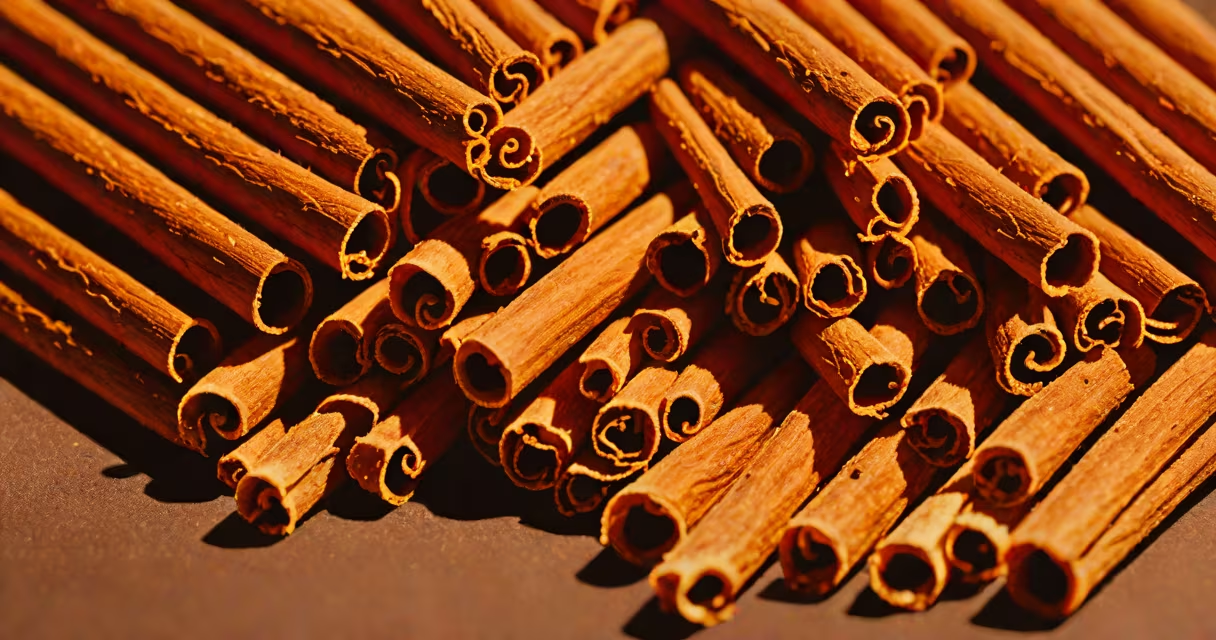
Ceylon cinnamon from Sri Lanka is different cinnamon derived from the inner bark of the Cinnamomum verum tree, native to Sri Lanka. It is distinguished by low coumarin content, a compound linked to liver toxicity in high doses, making it safer for long-term use than cassia cinnamon.
Unlike the common cinnamon sold in U.S. grocery stores-typically cassia cinnamon-Ceylon cinnamon has a lighter color, finer texture, and a more subtle, citrusy flavor. It grows exclusively in tropical climates, with Sri Lanka producing over 90% of the world's Ceylon cinnamon. The island's humid coastal regions provide ideal conditions for cultivating the plant, which is harvested by hand from mature trees after five years of growth.
The botanical name Cinnamomum verum identifies the species responsible for true cinnamon. This differs from Cinnamomum cassia, the species behind most commercial cinnamon. Cassia contains up to 50 times more coumarin than Ceylon, according to the European Food Safety Authority (EFSA). For daily consumption, Ceylon cinnamon is preferred due to its safety profile.
Ceylon cinnamon from Sri Lanka contains bioactive compounds such as cinnamaldehyde, eugenol, and polyphenols. These contribute to antioxidant activity and may support blood sugar regulation. A 2016 clinical trial published in *Diabetes Care* found that participants who took 1 gram of Ceylon cinnamon daily for 12 weeks experienced modest reductions in fasting blood glucose compared to placebo.
The spice is processed by peeling the inner bark of young branches, drying it into thin, papery rolls that curl into quills. These quills are then broken into smaller pieces or ground into powder. The resulting product is light tan, almost beige, with a layered, paper-thin structure. In contrast, cassia cinnamon appears darker, thicker, and harder-like a brittle stick.
When stored properly in airtight containers away from heat and light, Ceylon cinnamon retains potency for up to two years. Its essential oil content averages 1.5-2.5%, higher than many culinary spices, contributing to its aromatic profile and potential therapeutic value.
There are two primary forms of Ceylon cinnamon: whole quills and ground powder. Whole quills are preferred for infusions and cooking where visual appeal matters. Ground cinnamon is used in baking, beverages, and supplements.
| Type | Appearance | Flavor Profile | Best Uses |
|---|---|---|---|
| Whole quills | Light beige, thin, paper-like layers | Mild, sweet, slightly floral | Tea infusions, stews, desserts |
| Ground powder | Soft, fine, pale yellowish-brown | Subtle sweetness, less pungent | Baking, spice blends, supplements |
Food manufacturers use Ceylon cinnamon in health-focused products, including energy bars, probiotic drinks, and low-glycemic baked goods. It's also a key ingredient in Ayurvedic formulations, where it's believed to improve digestion and balance doshas.
Supplement brands market Ceylon cinnamon for blood sugar support. A 2020 review in *Nutrients* noted that while evidence is limited, Ceylon cinnamon shows promise in improving insulin sensitivity. However, the FDA does not approve cinnamon as a treatment for diabetes. Products labeled "Ceylon" must meet identity standards under the U.S. Code of Federal Regulations (21 CFR §182.20).
Many products labeled "Ceylon cinnamon" are actually cassia cinnamon. A 2019 study by the University of California, Davis, analyzed 30 commercially available cinnamon products and found that 14 were mislabeled. Eight contained no detectable Ceylon markers, and four had coumarin levels exceeding 100 mg/kg-well above the safe threshold for daily intake.
True Ceylon cinnamon from Sri Lanka is rarely sold in bulk at supermarkets. It's typically available through specialty retailers, direct from farmers, or via certified organic suppliers. Look for certifications such as USDA Organic, Fair Trade, or Rainforest Alliance to verify authenticity.
In 2021, a Sri Lankan family-run farm in the Nuwara Eliya district began exporting Ceylon cinnamon directly to U.S. health food stores. They used blockchain tracking to document each batch from harvest to shipment. Over six months, they delivered 120 kg of Grade A cinnamon-whole quills with consistent thickness and no visible bark fragments.
Each batch was tested for coumarin levels. Results showed an average of 0.01 mg/g-far below the EFSA's safe limit of 0.1 mg/g. The farm also provided lab reports and photos of the harvesting process, including workers peeling bark by hand using traditional tools.
For home use, a simple recipe illustrates its advantage: mix 1 teaspoon of Ceylon cinnamon powder into 1 cup of warm oatmeal. This provides approximately 0.03 mg of coumarin-well within safe limits. Using cassia cinnamon in the same amount would deliver 1.5 mg, approaching the upper end of daily tolerance.
When choosing Ceylon cinnamon from Sri Lanka, prioritize transparency. Ask for third-party lab results, traceability details, and clear labeling. Avoid products with vague terms like "natural cinnamon" or "true cinnamon" without specifying the species.
Ceylon cinnamon from Sri Lanka is not a miracle cure. But as a low-toxicity spice with documented antioxidant and metabolic effects, it offers a safer alternative to cassia cinnamon for regular use. Always verify the source and label before purchasing.