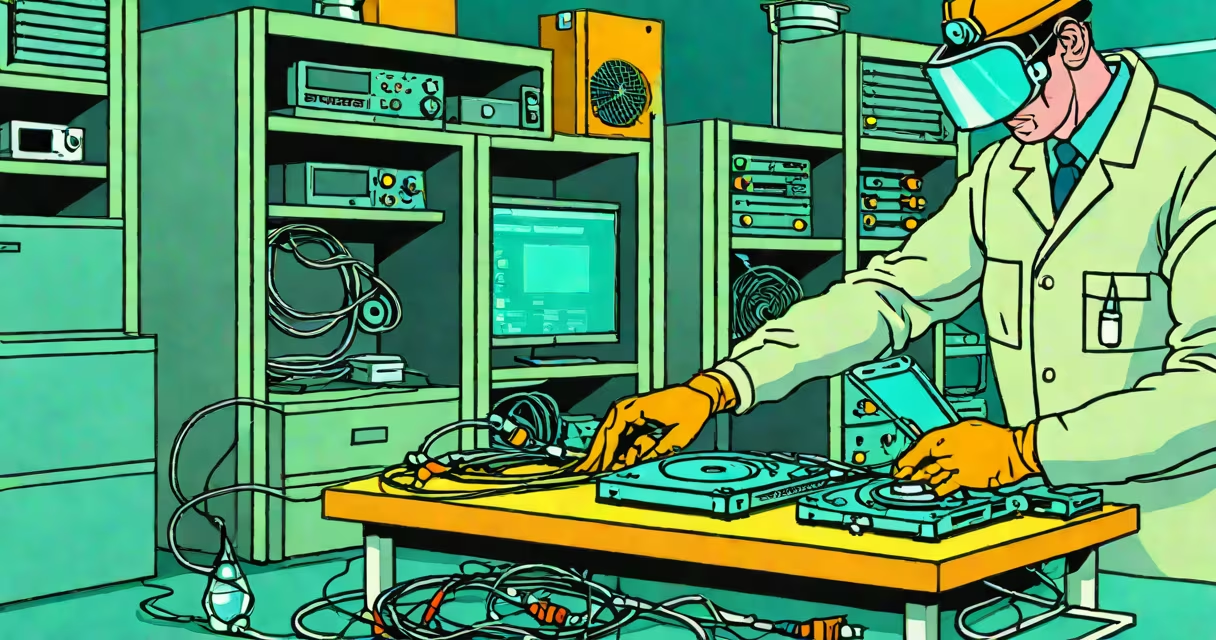
Computer forensics companies are specialized firms that recover, preserve, and analyze digital evidence from electronic devices such as computers, smartphones, and storage drives. They support law enforcement, legal teams, and corporations in investigating cybercrimes, data breaches, intellectual property theft, and internal misconduct.
These companies follow strict protocols to ensure evidence remains admissible in court. They use validated tools and methods to create bit-for-bit copies of storage media, examine file systems, recover deleted data, and trace user activity-all while maintaining a documented chain of custody.
Examples include Cellebrite, Magnet Forensics, and Guidance Software (now part of OpenText). These firms serve federal agencies, private attorneys, insurance investigators, and corporate compliance departments. Their work often determines the outcome of criminal trials, civil litigation, or internal disciplinary actions.
When a client submits a device for analysis, the process begins with acquisition-creating a forensic image using write-blocker hardware to prevent any changes to the original data. This step ensures integrity and meets legal standards for evidence handling.
Next, examiners use software like FTK Imager, EnCase, or Autopsy to search for relevant files, metadata, timestamps, internet history, and artifacts left behind by applications. They look for patterns indicating unauthorized access, data exfiltration, or malicious behavior.
For instance, during a fraud investigation involving a company executive accused of stealing trade secrets, a computer forensics firm recovered encrypted files from a USB drive connected to the suspect's laptop. Metadata showed the files were copied at 2:17 a.m., and network logs confirmed the transfer occurred via a personal email account. This timeline was critical in proving intent and timing.
Computer forensics companies rely on a mix of hardware and software designed for digital evidence integrity. Write blockers, forensic workstations, and certified imaging tools are standard equipment. Software platforms must comply with standards set by the National Institute of Standards and Technology (NIST).
Key tools include:
A non-obvious distinction: not all data recovery is forensic. A company may restore deleted photos from a phone, but without proper documentation and chain of custody, that recovery cannot be used in court. Forensic analysis requires both technical skill and procedural rigor.
Computer forensics companies support multiple sectors. Law enforcement uses them to build cases against hackers, child predators, and financial fraudsters. Legal firms hire them to uncover evidence in divorce proceedings, employee misconduct, or breach-of-contract disputes.
Corporations rely on them during internal investigations into data leaks, insider threats, or violations of regulatory standards like HIPAA or GDPR. For example, a healthcare provider facing a patient data breach hired a computer forensics firm to determine whether the leak originated from an employee's unsecured laptop or a third-party vendor's compromised system.
Here's a real-world example: In 2021, a major U.S. bank discovered suspicious wire transfers linked to a rogue employee. A computer forensics team analyzed 14 devices, including desktops, laptops, and a company-issued tablet. They found login records showing remote access from a residential IP address, along with altered audit logs. The evidence led to termination and prosecution.
| Use Case | Typical Evidence Sought | Common Tools |
|---|---|---|
| Cybercrime investigation | Malware logs, command-line history, encrypted communications | FTK, Wireshark, Volatility |
| Employee misconduct | Unapproved file transfers, deleted emails, off-hours logins | EnCase, X-Ways Forensics |
| Data breach response | Unauthorized access logs, database queries, session times | Autopsy, Splunk integration |
| Intellectual property theft | File copying timestamps, cloud sync history, external device connections | Cellebrite, Magnet AXIOM |
They are not IT support providers. While both deal with digital systems, IT professionals fix broken hardware or restore lost files for operational continuity. Computer forensics companies focus on evidence collection and analysis for legal or investigative purposes.
Another misconception: forensic analysis doesn't require advanced AI or machine learning. While some firms integrate automated classification tools, the core work still relies on human expertise. A 2022 NIST report emphasized that "automated tools improve efficiency but do not replace examiner judgment in interpreting context and relevance."
I once observed a case where an automated tool flagged 1,200 files as potentially sensitive. A forensic examiner reviewed them manually and found that most were false positives-routine documents from a shared drive. The human eye caught the difference between noise and signal.
Look for certifications such as Certified Forensic Computer Examiner (CFCE), EnCase Certified Examiner (EnCE), or GIAC Certified Forensic Analyst (GCFA). Reputable firms publish case studies and maintain accreditation through bodies like the American Society of Crime Laboratory Directors (ASCLD).
When selecting a company, verify their compliance with Federal Rules of Evidence (FRE) Rule 901(b)(4), which requires authentication of digital evidence through methods like hash verification and chain-of-custody documentation.
Computer forensics companies play a important role in modern justice and accountability. Their work helps digital evidence is treated with the same rigor as physical evidence, preserving truth in an increasingly digital world.