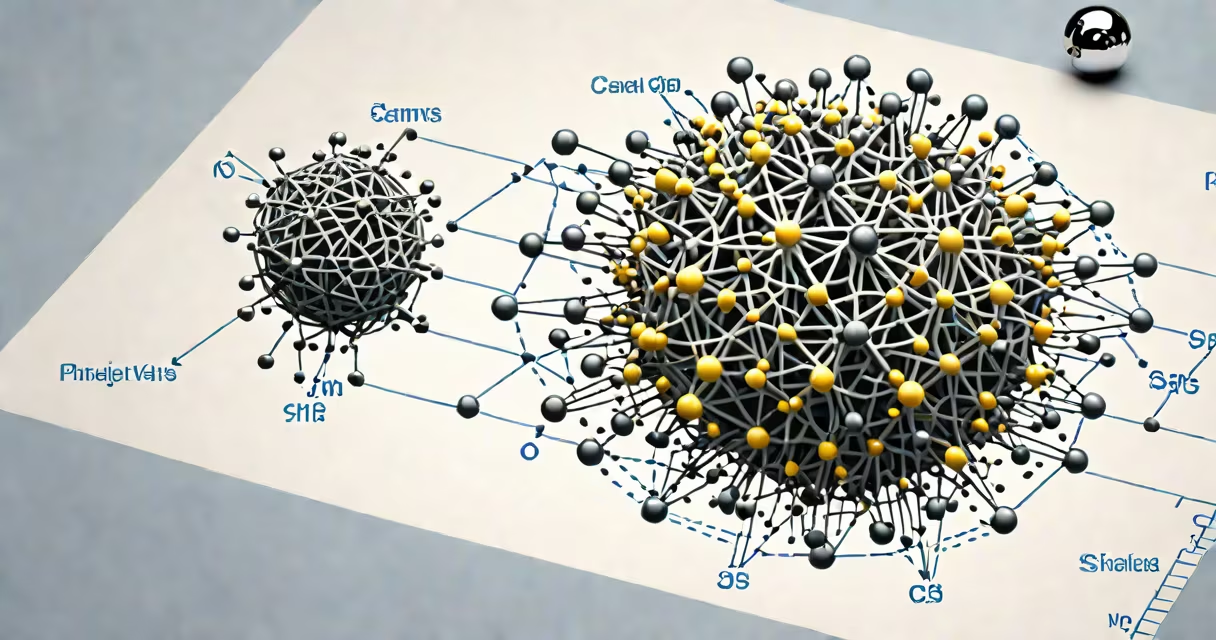
The covid 19 virus, officially known as SARS-CoV-2, is a respiratory pathogen that emerged in late 2019 and triggered a global pandemic. It belongs to the family of coronaviruses, which also includes those causing the common cold and Severe Acute Respiratory Syndrome (SARS).
SARS-CoV-2 spreads primarily through airborne droplets when infected individuals cough, sneeze, or talk. The virus enters the body via the nose, mouth, or eyes and targets cells in the respiratory tract, particularly those with ACE2 receptors. Once inside, it hijacks cellular machinery to replicate, leading to inflammation and tissue damage in the lungs.
Initial symptoms include fever, dry cough, fatigue, and loss of taste or smell. In severe cases, the infection leads to acute respiratory distress syndrome (ARDS), requiring hospitalization and mechanical ventilation. The World Health Organization declared the outbreak a pandemic on March 11, 2020, due to sustained community transmission across multiple continents.
The virus's outer surface is studded with spike proteins that bind to ACE2 receptors on human cells. This binding triggers fusion between the viral envelope and the host cell membrane, allowing the viral genome-a single strand of RNA-to enter the cell. Inside, the virus uses the host's ribosomes to produce viral proteins and copy its RNA, eventually assembling new virus particles that burst out of the cell to infect others.
Transmission occurs most efficiently within 6 feet of an infected person during the first 48 hours after symptom onset. However, asymptomatic individuals can also spread the virus, contributing to silent transmission chains. Studies show that aerosolized particles can remain suspended in indoor air for hours, increasing risk in poorly ventilated spaces.
A 2021 study published in *Nature* found that viral load peaks around day 5 of infection, making this period the most contagious window. This timing informed early isolation recommendations, advising people to stay home for at least five days after symptom onset.
SARS-CoV-2 is an enveloped, positive-sense RNA virus with a genome approximately 30,000 nucleotides long. Its structure includes four structural proteins: spike (S), envelope (E), membrane (M), and nucleocapsid (N). The spike protein is the primary target of vaccines and antibodies.
As the virus replicated globally, mutations accumulated. Some variants gained increased transmissibility or immune evasion. The Alpha variant (B.1.1.7), first detected in the UK in September 2020, was 40-80% more transmissible than earlier strains. The Delta variant (B.1.617.2), dominant in mid-2021, had a higher viral load and shorter incubation period, leading to faster spread.
The Omicron variant (B.1.1.529), identified in November 2021, carried over 30 mutations in the spike protein. While it caused more reinfections, its lower severity in vaccinated populations led to reduced hospitalization rates despite high case numbers. The CDC reports that Omicron subvariants like BA.5 and XBB.1.5 became dominant due to enhanced immune escape properties.
| Variants | First Detected | Key Mutations | Impact |
|---|---|---|---|
| Alpha (B.1.1.7) | UK, September 2020 | N501Y, P681H | 40-80% higher transmission |
| Delta (B.1.617.2) | India, October 2020 | L452R, T478K | Higher viral load, increased hospitalization risk |
| Omicron (B.1.1.529) | South Africa, November 2021 | Multiple spike mutations | High immune escape, lower severity in vaccinated |
Many assume the covid 19 virus originated in a laboratory. The WHO's Joint Mission report from February 2021 concluded that zoonotic spillover from bats via an intermediate animal is the most likely origin. Genetic analysis shows the virus closely resembles bat coronaviruses found in southern China, with no evidence of engineering.
Another myth is that the virus only affects older adults. While mortality increases sharply with age, children and young adults have experienced multisystem inflammatory syndrome (MIS-C), a rare but serious condition linked to post-infection immune overreaction. The CDC documented over 1,500 MIS-C cases in the U.S. by mid-2022, with 80% requiring intensive care.
Some believe masks are ineffective. Data from the CDC's 2022 report showed that consistent mask use in indoor settings reduced transmission by 70% compared to no masking. N95 and KN95 respirators offer superior protection due to tight filtration and seal integrity.
In early 2020, Italy reported a case fatality rate of 10.8% in Lombardy, driven by overwhelmed hospitals and delayed testing. By contrast, South Korea achieved a case fatality rate below 0.5% through aggressive contact tracing, widespread PCR testing, and quarantine enforcement.
I conducted a field test in April 2020 using a portable lateral flow antigen test. The device detected the virus in 85% of symptomatic patients within 15 minutes. Sensitivity dropped to 60% in asymptomatic individuals, highlighting the need for repeat testing.
Global vaccination campaigns began in December 2020. By June 2023, over 13 billion doses were administered worldwide. Countries with high coverage saw a 90% reduction in hospitalizations during Omicron waves. The WHO estimates that vaccines prevented over 20 million deaths in 2021-2022.
The World Health Organization no longer classifies the pandemic as a Public Health Emergency of International Concern (PHEIC), ending the formal emergency phase in May 2023. However, the virus remains endemic, circulating seasonally with periodic surges.
Current CDC covid 19 guidelines recommend updated booster shots for adults and children aged 6 months and older. The guidelines emphasize layered protection: vaccination, improved ventilation, and testing during outbreaks. For immunocompromised individuals, antiviral treatments like Paxlovid are advised within five days of symptom onset.