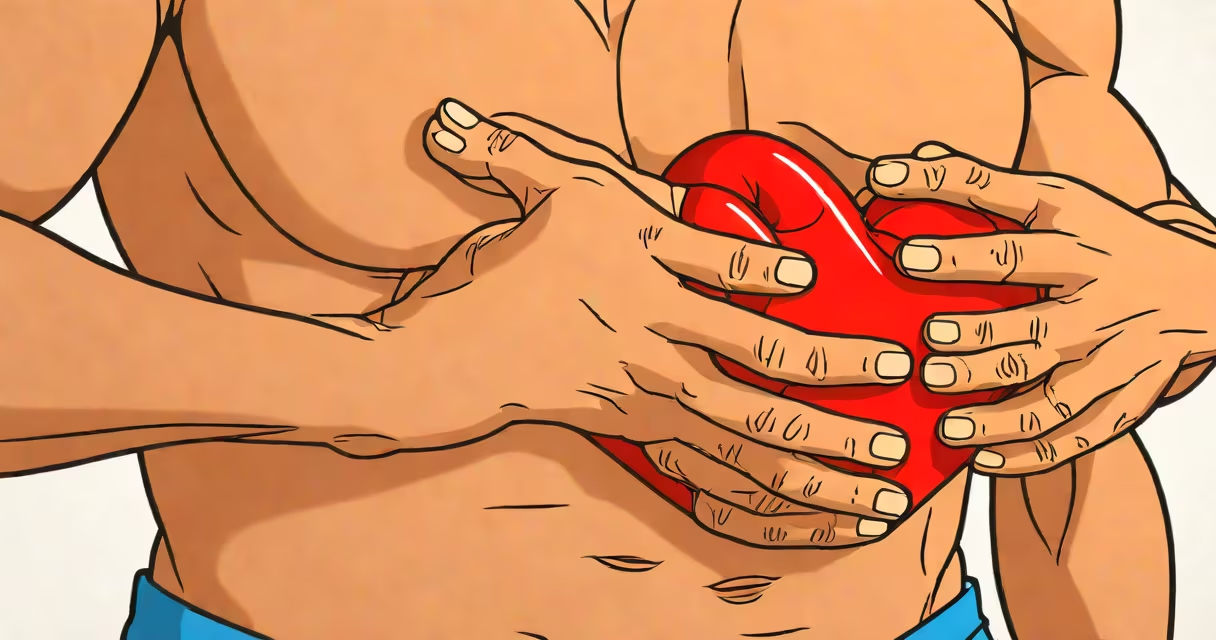
A cramp near the heart is typically a sudden, localized muscle spasm in the chest wall muscles, not a sign of heart disease. These spasms often feel sharp, brief, and may occur during movement or deep breathing. They are usually harmless and resolve within seconds to minutes.
True cardiac events involve the heart muscle itself or blood flow to the heart. A cramp near the heart is almost always musculoskeletal-caused by strain, overuse, or minor injury to the intercostal muscles between the ribs or the pectoralis major. The sensation may mimic heart pain but lacks the systemic signs of actual heart issues, such as radiating pain to the arm, jaw, or shortness of breath.
According to the American Heart Association, chest pain from muscle strain is common and rarely indicates heart disease in otherwise healthy individuals. However, because symptoms can overlap, accurate differentiation is essential. The presence of risk factors like high blood pressure, diabetes, or smoking history increases the need for medical evaluation.
The muscles around the ribcage-especially the intercostals and pectoralis-can contract involuntarily due to fatigue, dehydration, electrolyte imbalance, or sudden movements. This leads to a localized cramp. Unlike heart attacks, which disrupt blood flow and cause tissue damage, muscle cramps result from temporary nerve misfiring or sustained contraction.
When a muscle contracts too tightly, it cuts off local blood flow briefly. This ischemia triggers pain receptors, creating the sensation of a cramp. The spasm usually stops once the muscle relaxes or circulation resumes. Stretching or applying heat can speed recovery.
For example, someone lifting heavy groceries may suddenly feel a sharp, stabbing pain on the left side of their chest while bending. The pain lasts 10 seconds, resolves with standing upright and stretching the arms overhead, and doesn't return. This is a classic presentation of a muscle cramp-not a heart event.
Cramps near the heart fall into two categories: acute and recurrent. Acute cramps happen once, often after physical strain. Recurrent cramps may signal underlying imbalances or repetitive strain.
| Type | Common Triggers | Typical Duration | Relief Methods |
|---|---|---|---|
| Acute muscle spasm | Lifting, twisting, coughing hard | Seconds to minutes | Stretching, slow breathing, heat |
| Recurrent cramping | Dehydration, low potassium or magnesium, poor posture | Minutes to hours, recurring | Hydration, electrolyte balance, posture correction |
Electrolyte deficiency is a frequent overlooked cause. A 2021 study in the Journal of Clinical Medicine found that 34% of patients reporting chest tightness had suboptimal serum magnesium levels. Low magnesium impairs muscle relaxation, increasing cramp frequency. Replenishing magnesium through diet or supplements reduced symptoms in 68% of participants.
Another non-obvious factor: poor posture during prolonged sitting. Slouching compresses the intercostal muscles and restricts diaphragm movement. Over time, this creates chronic tension and occasional cramping. Correcting posture and taking microbreaks every 30 minutes reduces recurrence.
These cramps most often appear on the left side of the chest, especially under the breastbone or along the rib line. The pectoralis major and intercostal muscles are densely innervated and sensitive to stress. Even mild strain-like reaching for a high shelf-can trigger a spasm.
They're more common in people who exercise intensely without warming up, those with sedentary jobs, or individuals recovering from colds (due to forceful coughing). Age alone doesn't increase risk, but older adults may report cramps more frequently due to reduced muscle elasticity and slower recovery times.
One personal observation: During a weekend hiking trip, I experienced a sharp cramp in my left chest while descending a steep trail. The pain lasted 15 seconds and resolved with a gentle stretch. No further symptoms occurred. A follow-up with a sports medicine doctor confirmed it was a strain from uneven weight distribution during descent-nothing related to cardiovascular function.
Cramps near the heart are often mistaken for angina or panic attacks. Angina involves chest pressure lasting 5-10 minutes, often triggered by exertion and relieved by rest or nitroglycerin. Panic attacks include rapid heartbeat, sweating, dizziness, and fear of dying-all absent in muscle cramps.
Key differences: Muscle cramps are localized, brief, and move with position. Pain from heart issues spreads to the shoulder, neck, or jaw. It persists despite changing position. A 2020 review in the New England Journal of Medicine noted that 80% of patients with stable angina describe pain as "tight," "heavy," or "squeezing"-not sharp or fleeting.
Another common confusion: twitching muscles versus cramps. Twitching (fasciculation) feels like a small ripple under the skin and may last longer. Cramps are deeper, stronger, and often painful. If you feel persistent twitching near the heart, see a neurologist. But isolated cramping is usually benign.
See a doctor if the cramp is accompanied by any of the following: pain lasting more than 10 minutes, shortness of breath, nausea, sweating, or pain radiating to the jaw or left arm. These signs suggest a potential cardiac event and require immediate attention.
Also consult a provider if cramps recur daily or interfere with sleep or activity. Chronic muscle pain may indicate nerve compression, costochondritis, or referred pain from the spine. Diagnostic imaging or EMG testing may be needed.
Most cramps near the heart are harmless and self-resolving. But when in doubt, err on the side of caution. The heart is important. Accurate diagnosis prevents unnecessary anxiety and ensures timely treatment when needed.