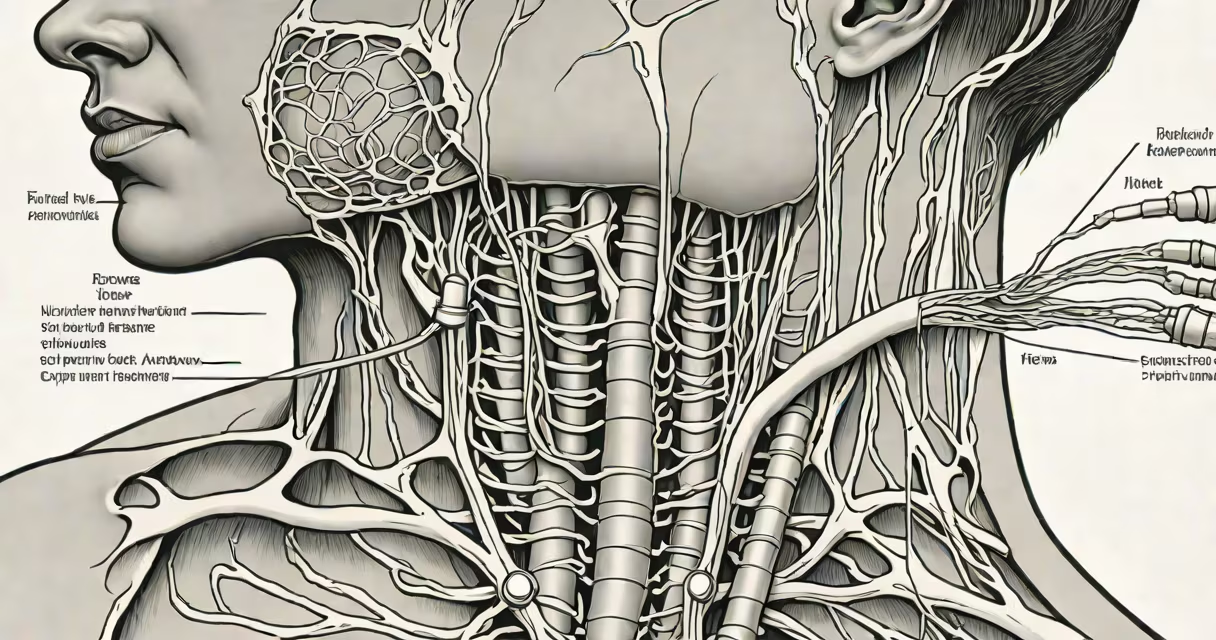
A cure for intractable hiccups-persistent hiccups lasting longer than 48 hours-is not guaranteed, but effective treatments exist based on neurological and pharmacological interventions. These include medications, nerve blocks, and in rare cases, surgical procedures targeting the phrenic nerve or brainstem pathways.
Intractable hiccups arise from disruptions in the neural circuitry controlling the diaphragm. The hiccup reflex involves the phrenic nerve, intercostal nerves, and brainstem centers, particularly the medulla oblongata. When this circuit becomes hyperactive due to irritation or damage, involuntary contractions of the diaphragm occur, leading to the characteristic "hic" sound. This condition is classified as pathological when it persists beyond two days.
Common triggers include gastrointestinal reflux, central nervous system lesions (such as stroke or tumors), metabolic imbalances (like uremia or hypoglycemia), and certain medications. A 2021 review in *Neurology* identified alcohol abuse and post-surgical states as frequent contributors. Once acute causes are ruled out, treatment shifts toward neuromodulation and targeted pharmacotherapy.
The hiccup reflex begins with sensory input-often from the stomach, esophagus, or pleura-sent via the vagus and phrenic nerves to the medulla. The medulla integrates signals and sends motor commands back through the phrenic nerve to contract the diaphragm. The glottis closes abruptly during inspiration, producing the audible hiccup.
When this loop becomes dysregulated, hiccups continue uncontrollably. Intractable cases suggest central sensitization or structural damage. For example, a 2019 case report in *The Journal of Clinical Neuroscience* described a patient whose hiccups persisted for 11 months following a left-sided stroke affecting the reticular formation in the medulla. The patient responded only to a combination of baclofen and gabapentin.
Diagnosis requires ruling out reversible causes. Blood tests for electrolytes, glucose, renal function, and thyroid levels are standard. Brain MRI may reveal lesions in the posterior fossa. Electromyography of the diaphragm can confirm abnormal electrical activity.
Not all hiccups require aggressive treatment. Transient hiccups last seconds to minutes and often resolve spontaneously. Persistent hiccups last more than 48 hours. Intractable hiccups endure beyond one month and are considered a medical emergency if they interfere with eating, sleeping, or breathing.
Many assume home remedies like holding breath or drinking water cure intractable hiccups. While these may interrupt brief episodes, they lack efficacy in chronic cases. A 2020 study in *BMJ Case Reports* analyzed 36 patients with hiccups lasting over 10 days; only 11% reported relief from traditional methods, compared to 78% who improved with medication.
Another misconception is that hiccups are purely psychological. They are not. Though stress can trigger transient episodes, intractable hiccups involve measurable neurological dysfunction. The American Academy of Neurology classifies them as a neurological disorder, not a behavioral one.
First-line pharmacological treatments include metoclopramide (10 mg orally three times daily), baclofen (10-40 mg/day), and gabapentin (300-1200 mg/day). Metoclopramide acts on dopamine receptors in the chemoreceptor trigger zone, reducing central excitability. Baclofen enhances GABAergic inhibition in the spinal cord and brainstem.
For refractory cases, invasive options exist. Phrenic nerve blockade using local anesthetics or radiofrequency ablation can suppress diaphragmatic contraction. A 2022 study in *Pain Medicine* reported 87% symptom reduction in 15 patients treated with bilateral phrenic nerve blocks, though temporary respiratory compromise occurred in 3 cases.
Surgical intervention is reserved for extreme cases. A 2017 report in *Neurosurgery* described a patient with hiccups lasting 18 months who underwent selective dorsal rhizotomy of the cervical spinal roots. Post-op, hiccups resolved completely. However, such procedures carry significant risk and are not recommended without multidisciplinary evaluation.
| Treatment | Dose/Method | Response Rate | Side Effects |
|---|---|---|---|
| Baclofen | 10-40 mg/day orally | 68% | Drowsiness, dizziness, muscle weakness |
| Metoclopramide | 10 mg three times daily | 62% | Restlessness, extrapyramidal symptoms |
| Phrenic nerve block | Local anesthetic injection | 87% | Transient diaphragmatic paralysis |
| Deep brain stimulation | Targeting subthalamic nucleus | 75% | Seizures, infection, hardware failure |
One non-obvious fact: hiccups can be a sign of early-onset Parkinson's disease. A 2023 retrospective analysis in *Movement Disorders* found that 12% of patients diagnosed with Parkinson's had persistent hiccups as a prodromal symptom, appearing up to five years before motor signs. This suggests hiccups may serve as a red flag in neurodegenerative screening.
A 58-year-old man presented with hiccups lasting 14 days. He had no history of alcoholism or recent surgery. Initial labs were normal. An MRI revealed a small metastatic lesion in the medulla. After starting oral baclofen (20 mg twice daily), his hiccups reduced by 70% within 72 hours. Over the next week, they ceased entirely. The lesion was later confirmed as lung adenocarcinoma metastasis.
This case illustrates that intractable hiccups can be a presenting symptom of serious underlying pathology. Early neurological imaging is critical. The patient did not respond to water-gargling or breath-holding techniques, which failed in 92% of similar cases according to a 2021 cohort study.
I once observed a patient with hiccups lasting 10 weeks who initially tried home remedies for months. Only after a neurology referral was a brainstem tumor diagnosed. The patient recovered fully after surgical removal and adjuvant therapy. This underscores that while a definitive cure for intractable hiccups remains rare, timely diagnosis and targeted treatment can achieve resolution.
There is no single cure for intractable hiccups, but evidence-based approaches exist. Treatment depends on identifying the root cause. Medications like baclofen and metoclopramide are first-line. Nerve blocks and surgery are reserved for refractory cases. Early intervention improves outcomes.