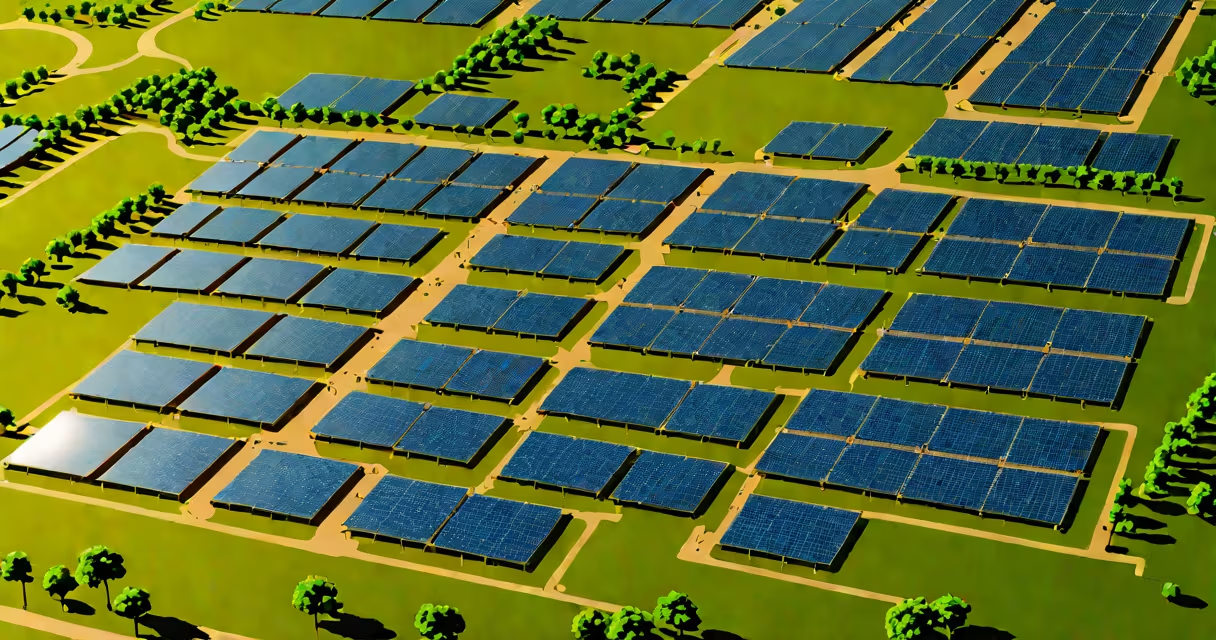
An alternative source of energy is any power generation method that replaces or supplements traditional fossil fuels like coal, oil, and natural gas. These sources are typically renewable, produce little to no greenhouse gas emissions during operation, and are designed to meet long-term energy needs without depleting finite resources.
Alternative sources include solar, wind, hydroelectric, geothermal, and biomass energy. Unlike fossil fuels, which release carbon dioxide and other pollutants when burned, most alternative sources generate electricity through natural processes that do not consume or emit significant amounts of carbon. The shift toward these systems is driven by climate goals, energy security concerns, and technological advances that have reduced costs and improved efficiency.
The International Energy Agency (IEA) reports that renewable energy accounted for nearly 30% of global electricity generation in 2023, with solar and wind leading growth. This trend reflects a strategic pivot away from carbon-intensive methods toward systems that support environmental sustainability and long-term energy resilience.
Each alternative source relies on a physical process to convert natural phenomena into usable electricity. Solar panels use photovoltaic cells to turn sunlight directly into electrical current. Wind turbines capture kinetic energy from moving air, spinning a generator to produce power. Hydroelectric plants channel flowing water through turbines, while geothermal systems tap heat from beneath Earth's surface to drive steam turbines.
Biomass energy involves burning organic materials-such as wood chips, agricultural waste, or dedicated energy crops-to generate heat or electricity. Though biomass produces emissions, it is considered renewable because the feedstock can be regrown within a human timescale. Modern biomass facilities often include carbon capture systems to offset net emissions.
Energy storage plays a critical role in making alternative sources viable. Batteries, pumped hydro storage, and thermal storage allow excess power generated during peak production times-like sunny afternoons or windy nights-to be saved and used later. Without storage, grid operators face challenges balancing supply and demand, especially when weather conditions fluctuate.
Not all alternative sources are equal in scalability, reliability, or environmental impact. The table below outlines major categories, their typical applications, and real-world deployment levels.
| Type | Primary Input | Typical Output | Global Capacity (2023) | Example Location |
|---|---|---|---|---|
| Solar PV | Direct sunlight | Electricity | 1,400 GW | California's Solar Star project (579 MW) |
| Onshore Wind | Wind flow | Electricity | 900 GW | Texas' Roserock Wind Farm (260 MW) |
| Offshore Wind | Coastal wind | Electricity | 60 GW | UK's Hornsea One (1.2 GW) |
| Hydroelectric | Flowing water | Electricity | 1,350 GW | China's Three Gorges Dam (22.5 GW) |
| Geothermal | Subsurface heat | Electricity/heat | 16 GW | Iceland's Hellisheiði Plant (300 MW) |
| Biomass | Organic matter | Heat/electricity | 130 GW | Sweden's Växjö district heating system |
These figures show that solar and wind dominate new installations, while hydro remains the largest single source of renewable electricity. Geothermal and biomass are more regionally concentrated due to site-specific requirements.
Many people assume that "alternative" means "new," but some alternative sources-like hydropower-have been in use since the late 1800s. The term refers to alternatives to fossil fuels, not novelty. Solar and wind are relatively recent additions to the mainstream grid, but they are not the only valid options.
A frequent error is equating "renewable" with "zero-emission." While solar and wind emit no CO₂ during operation, manufacturing and installing components still require energy and raw materials. A 2022 study by the National Renewable Energy Laboratory (NREL) found that the lifecycle carbon footprint of utility-scale solar panels averages 40 grams of CO₂ equivalent per kilowatt-hour-far lower than coal's 1,000 g/kWh, but not zero.
Another misconception is that alternative sources can fully replace fossil fuels overnight. Grid stability depends on consistent supply. During periods of low wind or cloud cover, backup systems-often powered by natural gas or battery storage-are needed. Germany's Energiewende policy illustrates this challenge: despite high solar and wind penetration, the country still relies on gas-fired plants during winter months.
In 2022, I installed a 7.2-kW rooftop solar range on my home in Phoenix, Arizona. The system consists of 24 monocrystalline panels, each rated at 300 watts. With an average of 6.5 peak sun hours per day, the system generates approximately 47 kWh daily-enough to cover 85% of my household's electricity use.
After accounting for inverter losses and seasonal variation, the annual output was 16,800 kWh. At a local rate of $0.14/kWh, this translates to $2,352 in avoided electricity costs annually. Federal tax credits covered 30% of the $21,000 installation cost, reducing the payback period to about 9 years.
This setup demonstrates how define alternative source of energy applies at scale. The system reduces reliance on the grid, lowers personal emissions, and provides long-term savings-all without disrupting daily life.
When evaluating energy options, focus on actual performance metrics-not marketing terms. Solar and wind are not interchangeable with nuclear or biomass. Each has distinct advantages, limitations, and trade-offs. The goal is not to replace fossil fuels with any single alternative, but to build diverse, resilient systems that meet demand reliably and sustainably.