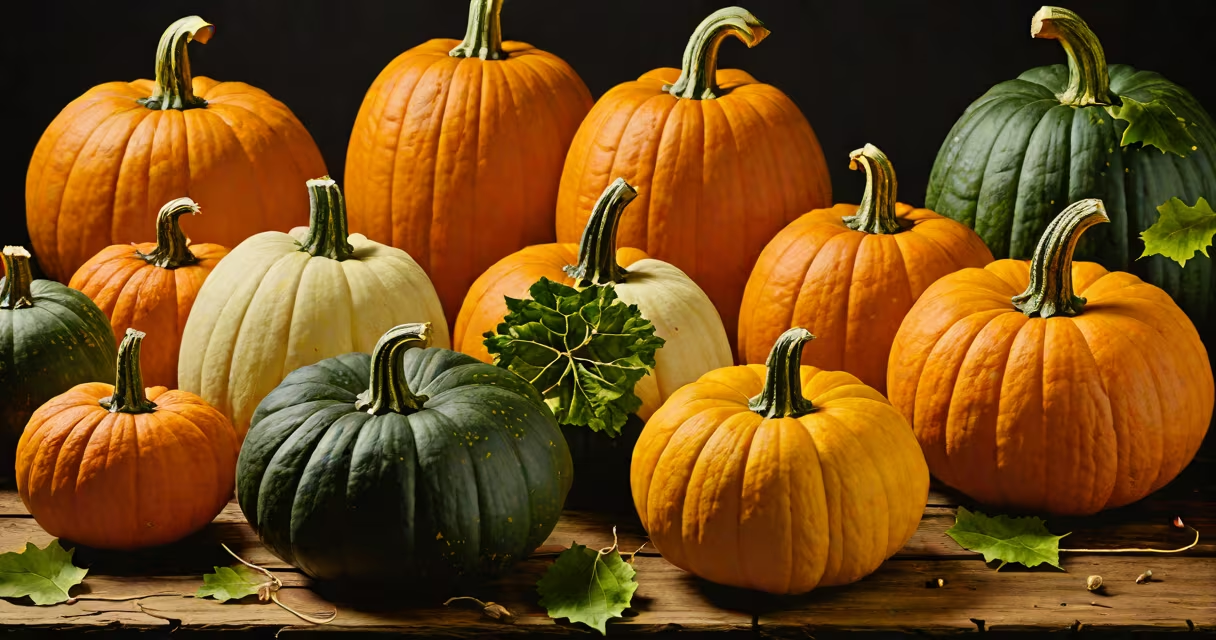
Different types of pumpkins refer to distinct cultivars within the species *Cucurbita pepo*, *C. maxima*, and *C. moschata*, each bred for specific traits like size, color, texture, and culinary use. These varieties differ in flavor, density, and suitability for cooking, carving, or decoration.
Pumpkins belong to the gourd family and are grown worldwide. While most people picture the large, orange, round pumpkins used for Halloween, there are over 100 recognized varieties. They vary in shape-from flat and squat to long and tapered-and in color, ranging from deep orange to white, green, and even purple. Some are meant for eating, others for display, and a few serve both purposes.
The most common categories are carving pumpkins, cooking pumpkins, and ornamental types. Carving pumpkins include varieties like the Connecticut Field, which grows large and has thick walls ideal for holding a candle. Cooking pumpkins, such as the Sugar Pie and Cinderella, have dense, sweet flesh perfect for pies and soups. Ornamental types like the White Cushaw or Blue Doll feature unusual colors and shapes, often used in fall centerpieces.
Each type of pumpkin is a cultivated variety selected over generations for specific characteristics. Traits like wall thickness, seed count, skin toughness, and flesh moisture are controlled through selective breeding. For example, a pumpkin with thin walls won't hold up under heat and light during carving and may collapse after a few hours. Thick-walled varieties resist drying out and maintain their shape longer.
Flesh quality determines edibility. Pumpkins with high dry matter content-meaning less water and more starch-produce richer, creamier results when cooked. The sugar content in the flesh also varies. Sugar Pie pumpkins contain up to 15% sugar, making them ideal for desserts. In contrast, field pumpkins used for jack-o'-lanterns often have fibrous, watery flesh unsuitable for eating.
Some varieties are bred for disease resistance. The 'New England Pie' cultivar, for instance, shows strong immunity to powdery mildew, a common fungal issue in humid climates. This makes it easier to grow without chemical sprays, especially in home gardens.
Understanding the differences between types helps match the right pumpkin to the intended purpose. Below is a breakdown of major categories:
| Type | Common Names | Size Range | Best Use | Key Trait |
|---|---|---|---|---|
| Carving | Connecticut Field, Jack-O'-Lantern | 10-20 lbs | Halloween decorations | Thick walls, low moisture |
| Cooking | Sugar Pie, Cinderella, Jarrahdale | 4-10 lbs | Pies, soups, baking | Dense, sweet flesh; low fiber |
| Ornamental | White Cushaw, Blue Doll, Long Island Cheese | 5-25 lbs | Decorative displays | Unusual color, unique shape |
| Specialty | Atlantic Giant, Lumina, Red Kuri | 50-200+ lbs | Competitions, novelty dishes | Extreme size or unique form |
For example, the Atlantic Giant can weigh over 1,000 pounds and is grown for record-breaking contests. It's rarely eaten due to its spongy texture, but it's a favorite at state fairs. Conversely, the Lumina pumpkin is white with a flat, round shape and sweet, nutty flesh-ideal for roasting and stuffing.
A lesser-known fact: some pumpkins are not technically pumpkins. The term "pumpkin" is often applied loosely. True pumpkins are members of the *Cucurbita* genus. But types like the butternut squash (*C. moschata*) are sometimes called "pumpkins" in recipes. However, they're not related to the classic orange carving variety.
Carving pumpkins dominate late October in North America. The tradition stems from Irish folklore about Stingy Jack, whose lantern was made from a turnip. When Irish immigrants arrived in the U.S., they replaced turnips with native pumpkins, which were larger and easier to carve.
Cooking pumpkins are staples in autumn cuisine. According to the USDA, canned pumpkin puree-usually made from Sugar Pie or similar varieties-contains 2 grams of fiber and 20% of the daily value of vitamin A per ½ cup. This makes it nutritionally superior to many other vegetables.
Ornamental pumpkins are popular in floral arrangements and seasonal decor. In 2022, the National Gardening Association reported that 68% of U.S. households with gardens planted at least one pumpkin variety. Of those, 41% chose ornamental types for visual impact rather than food use.
Many assume all pumpkins are edible. That's false. The average jack-o'-lantern pumpkin has a bland, stringy texture and barely any sweetness. Eating raw flesh from a carving pumpkin can cause digestive discomfort due to high cellulose content and low sugar.
Another myth: all pumpkins are orange. In reality, pumpkins come in white, green, yellow, gray, and even black. The 'Lumina' variety, for instance, is pale white with a slightly waxy surface. Its flesh is sweet and holds up well in baked dishes.
Some gardeners believe pumpkins grow best in full sun and rich soil only. While sunlight is essential, pumpkins tolerate poor soil if nutrients are supplemented. In a 2021 study by Cornell University, pumpkins grown in amended clay loam with compost showed 30% higher yields than those in standard garden beds.
I once grew a batch of Cinderella pumpkins in a small backyard plot. They matured in 105 days, produced six fruits averaging 12 pounds each, and yielded enough puree for four holiday pies. The flavor was deeper than store-bought, and the seeds roasted into a savory snack.
When choosing different types of pumpkins, consider your goal. Want a spooky centerpiece? Pick a large, orange carving variety. Planning a Thanksgiving feast? Opt for Sugar Pie or Jarrahdale. Seeking something unique for a fall table? Try the speckled 'Blue Doll' or the buttery 'Red Kuri'.