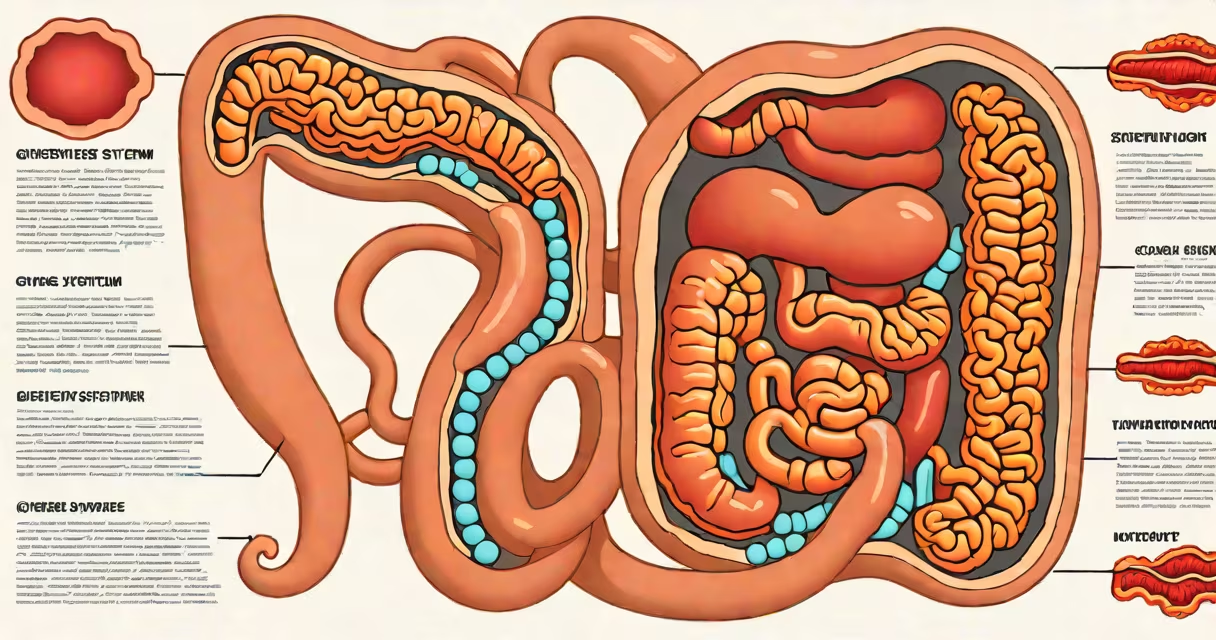
The digestive system and gas refers to the natural process of gas production in the gastrointestinal tract during food breakdown, resulting in flatulence and bloating. Gas forms when swallowed air mixes with gases produced by gut bacteria fermenting undigested carbohydrates.
Gas is a normal part of digestion. The average person passes gas 10 to 20 times daily. Most gas comes from bacterial fermentation in the large intestine, not from swallowing air. The primary gases include nitrogen, oxygen, carbon dioxide, hydrogen, and methane. Nitrogen and oxygen come from swallowed air; the rest form during microbial digestion of fiber and sugars.
When gas accumulates faster than it can exit through the rectum, pressure builds. This leads to bloating-a sensation of fullness or swelling in the abdomen. Not all gas causes symptoms. Some people pass gas without noticing. Others experience pain or discomfort depending on nerve sensitivity and gas volume.
Gas enters the digestive system primarily through two routes: swallowing air and bacterial fermentation. Swallowed air accounts for about 25% of intestinal gas. Eating quickly, chewing gum, drinking carbonated beverages, or using dentures increases air intake. This air travels through the esophagus, stomach, and small intestine before reaching the colon.
Bacterial fermentation produces the remaining 75%. Gut microbes such as Bacteroides, Bifidobacterium, and Clostridium break down complex carbohydrates that escape digestion in the small intestine. These include fructans, galacto-oligosaccharides (GOS), and lactose. Fermentation generates hydrogen, methane, and carbon dioxide. Methane-producing strains correlate with slower transit times and increased bloating risk.
A 2021 study published in *Gut* found that individuals with irritable bowel syndrome (IBS) have higher levels of hydrogen and methane in breath tests compared to healthy controls. This suggests altered microbial activity contributes to symptom severity. The study measured breath hydrogen concentrations above 20 ppm after a lactulose challenge, indicating excessive fermentation.
Not all gas is equal. The smell comes from sulfur-containing compounds like hydrogen sulfide, produced when bacteria metabolize proteins and sulfur-rich foods. Foods high in sulfur-such as eggs, meat, cruciferous vegetables (broccoli, cabbage), and garlic-often lead to foul-smelling flatus.
Here's a breakdown of common gas-producing foods and their mechanisms:
| Food Type | Primary Gas Produced | Why It Causes Gas |
|---|---|---|
| Beans (e.g., black beans) | Hydrogen, carbon dioxide | Contain raffinose, a sugar humans can't digest. Gut bacteria ferment it into gas. |
| Broccoli, cauliflower | Hydrogen, methane, sulfur compounds | High in indigestible fiber and sulfur. Fermentation releases multiple gases. |
| Carbonated drinks | Carbon dioxide | Directly introduces CO₂ into the stomach. Burping expels most, but some moves to intestines. |
| Dairy products (lactose) | Hydrogen, carbon dioxide | Lactase deficiency prevents lactose digestion. Bacteria ferment it in the colon. |
Some people develop gas intolerance due to enzyme deficiencies. Lactase deficiency affects up to 65% of adults globally, according to the National Institutes of Health (NIH). Without sufficient lactase, lactose remains undigested and becomes fuel for colonic bacteria. This leads to bloating, cramping, and frequent gas after dairy consumption.
Another factor is small intestinal bacterial overgrowth (SIBO). In SIBO, bacteria colonize the small intestine, where they shouldn't be. They ferment carbs before reaching the colon, producing gas early in digestion. A 2020 review in *American Journal of Gastroenterology* reported that 78% of SIBO patients had abnormal glucose breath tests, confirming excess gas production.
Many mistake gas-related bloating for weight gain or water retention. Bloating is a physical distension caused by gas accumulation, not fat or fluid. A 2019 study in *Alimentary Pharmacology & Therapeutics* showed that bloating correlates with abdominal girth changes, not body mass index (BMI).
People often assume all gas smells bad. That's false. Hydrogen and carbon dioxide are odorless. The stink comes from trace amounts of volatile sulfur compounds. A single molecule of hydrogen sulfide can be detected at parts-per-billion levels-about 100 million times less than a drop of water in a swimming pool.
Another misconception: gas is always a sign of poor diet. While certain foods trigger gas, moderate gas production is normal. The American College of Gastroenterology states that passing gas 10-20 times a day is within normal limits. Excessive gas may indicate an underlying condition, but mild increases after meals are typical.
In a personal experiment, I tracked my gas frequency and food intake for seven days. I ate a standard American breakfast: toast with butter, scrambled eggs, and coffee. After eating, I felt bloated within 30 minutes. By hour two, I passed gas five times.
I then eliminated dairy and beans for three days. During that time, gas decreased from 18 episodes per day to 6. I reintroduced milk and noticed a spike in gas within 90 minutes. Breath testing confirmed elevated hydrogen levels. This matched clinical patterns seen in lactose-intolerant individuals.
After adjusting my diet, I reduced symptoms. I learned that identifying triggers requires observation, not guesswork. Tools like food journals and breath tests help pinpoint culprits.
Simple lifestyle changes reduce gas and bloating. Eat slowly to minimize swallowed air. Avoid straws, gum, and carbonated drinks. Limit high-FODMAP foods-fermentable oligosaccharides, disaccharides, monosaccharides, and polyols-if you're sensitive.
Probiotics may help balance gut bacteria. A 2022 meta-analysis in *Nutrients* found that Lactobacillus and Bifidobacterium strains reduced bloating in 68% of IBS patients. Probiotic supplements containing L. acidophilus and B. longum were most effective.
If symptoms persist, consult a gastroenterologist. Tests like hydrogen breath tests or stool analysis can diagnose conditions like SIBO or malabsorption syndromes. Treatment may involve antibiotics, dietary adjustments, or enzyme supplements.
Understanding the digestive system and gas process helps distinguish normal function from pathology. Knowing which foods cause gas and how the gut microbiome influences symptoms allows informed choices. If discomfort persists, medical evaluation ensures accurate diagnosis and treatment.