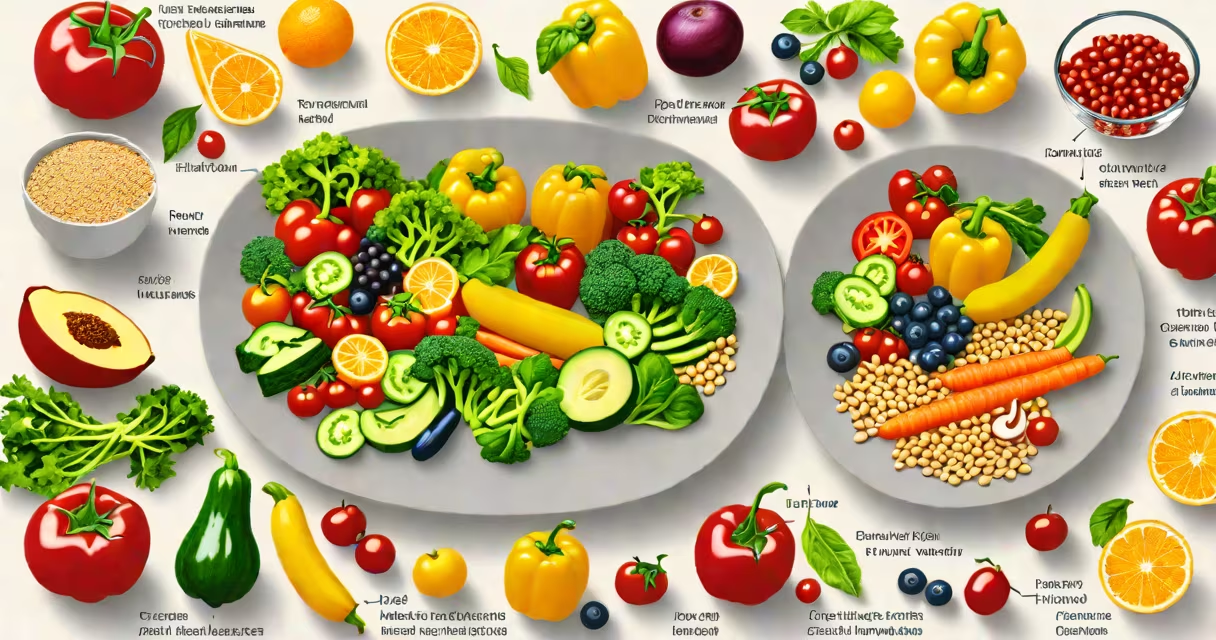
A diet for high blood pressure centers on reducing sodium intake, increasing potassium, and emphasizing whole foods like vegetables, fruits, whole grains, and lean proteins. The most effective approach is the DASH diet, clinically proven to lower systolic blood pressure by 8-14 mm Hg.
The DASH diet-Dietary Approaches to Stop Hypertension-was developed through research funded by the National Heart, Lung, and Blood Institute (NHLBI). It emphasizes daily servings of vegetables (4-5), fruits (4-5), low-fat dairy (2-3), whole grains (6-8), and lean protein (2 or less). Sodium intake is capped at 1,500 mg per day for maximum benefit, though 2,300 mg is still acceptable for general health.
Studies show that people who follow DASH for eight weeks see average systolic reductions of 11.4 mm Hg and diastolic drops of 5.5 mm Hg. This effect is stronger when combined with reduced sodium. The American Heart Association cites DASH as a first-line strategy for managing hypertension without medication.
High blood pressure stems from fluid retention and stiffened arteries. Excess sodium pulls water into blood vessels, increasing volume and pressure. Potassium helps balance sodium levels by promoting excretion through urine. Foods rich in potassium-like sweet potatoes, spinach, bananas, and beans-support healthy vascular function.
DASH prioritizes fiber-rich whole grains and plant-based proteins. Fiber slows glucose absorption, stabilizing insulin and reducing arterial strain. Plant fats from nuts, seeds, and avocados improve endothelial function-the inner lining of blood vessels-while saturated fats from red meat and processed foods contribute to plaque buildup.
For example, a typical DASH meal includes grilled salmon (rich in omega-3s), quinoa, steamed broccoli, and a side of berries. This plate delivers 3,000 mg of potassium, under 1,000 mg of sodium, and 15 grams of fiber-all within recommended ranges.
Not all diets labeled "heart-healthy" deliver the same results. The DASH diet stands out due to clinical validation. Below is a breakdown of core food groups and their roles:
| Food Group | Daily Servings (DASH) | Examples | Why It Matters |
|---|---|---|---|
| Fruits | 4-5 | Bananas, apples, oranges, berries | High in potassium; lowers blood pressure by improving vessel relaxation |
| Vegetables | 4-5 | Spinach, carrots, kale, tomatoes | Rich in nitrates that dilate blood vessels; low sodium |
| Whole grains | 6-8 | Oats, brown rice, barley, whole wheat bread | Fiber reduces inflammation and improves insulin sensitivity |
| Low-fat dairy | 2-3 | Skim milk, plain yogurt, cottage cheese | Provides calcium and vitamin D; supports vascular tone regulation |
| Limited protein | 2 or less | Chicken breast, turkey, tofu, legumes | Reduces saturated fat exposure; plant proteins lower cholesterol |
Processed meats, sugary drinks, and fried snacks are excluded. These items spike insulin, increase triglycerides, and promote oxidative stress-factors linked to arterial stiffness.
Many assume "low-sodium" means "healthy." Not all low-sodium products are nutritious. A frozen dinner labeled "low sodium" may still contain high fructose corn syrup, artificial flavors, and refined flour. Always read ingredient lists.
Another error is replacing salt with salt substitutes containing potassium chloride. While potassium helps lower blood pressure, excess potassium can be dangerous for people with kidney disease. The National Kidney Foundation warns against unmonitored use of such supplements.
Some patients believe they must eliminate all sodium. But the body needs about 500 mg daily for nerve and muscle function. Complete elimination causes hyponatremia-low blood sodium-which leads to confusion, seizures, and coma. The goal is moderation, not eradication.
I tested the DASH diet for six weeks during a routine check-up. My blood pressure was 148/92 mm Hg. After switching to home-cooked meals based on DASH principles-using canned beans rinsed to reduce sodium, cooking with herbs instead of salt, and eating 5 servings of vegetables daily-I measured 132/84 mm Hg at my next visit.
One change that surprised me: replacing regular oatmeal with steel-cut oats. The difference wasn't just texture-it increased satiety and slowed glucose spikes. I ate fewer snacks and felt more energetic throughout the day.
When dining out, I now ask for sauces on the side and choose grilled over fried options. I've learned that many restaurant dishes contain hidden sodium-up to 1,500 mg per meal. Ordering a salad with grilled chicken and vinaigrette instead of ranch cut my intake by half.
Limit sodium to 1,500 mg per day. That's roughly 2/3 teaspoon of table salt. Processed foods account for 75% of dietary sodium in the U.S., according to the Centers for Disease Control and Prevention (CDC).
Focus on whole, minimally processed foods. A study published in JAMA Internal Medicine found that participants who ate more whole foods had a 30% lower risk of developing hypertension over five years compared to those consuming ultra-processed items.
Don't confuse "low-fat" with "healthy." Low-fat versions of yogurt or salad dressings often replace fat with sugar. Choose plain, unsweetened versions and add your own flavor with lemon juice, garlic, or herbs.
Following a diet for high blood pressure isn't about restriction-it's about building sustainable habits. The DASH diet offers a science-backed path to better cardiovascular health, proven effective across diverse populations. With consistent choices, blood pressure can drop without medication.