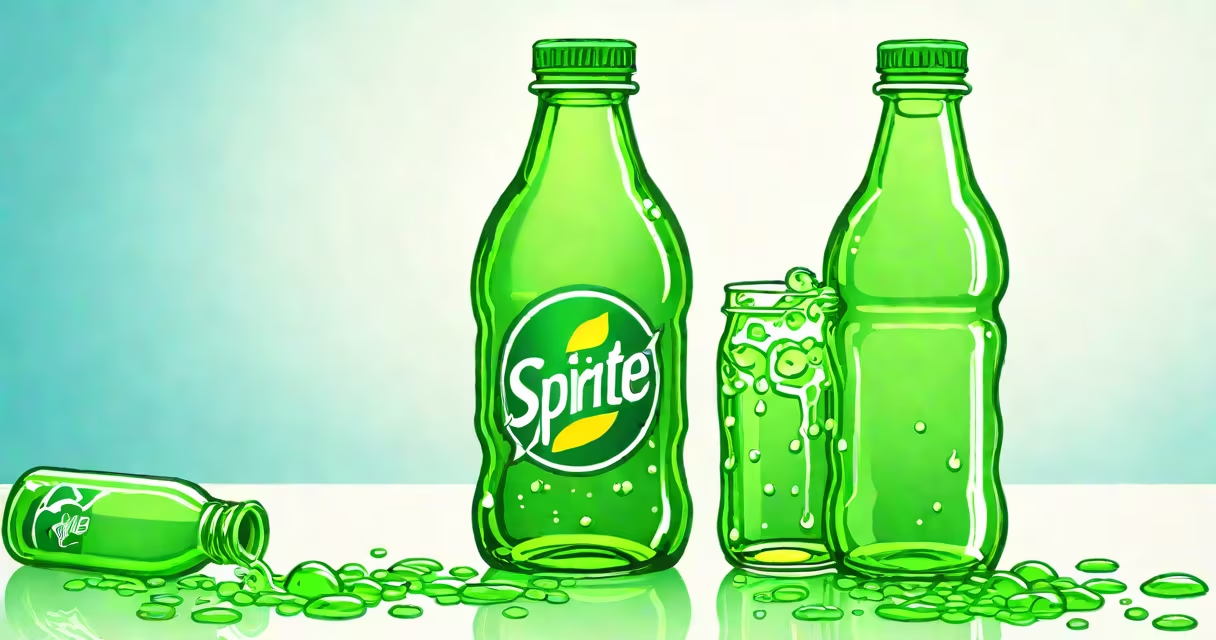
Sprite does not treat food poisoning but may offer temporary relief for mild dehydration caused by vomiting or diarrhea. Its high sugar and low electrolyte content make it less effective than oral rehydration solutions. It is not a substitute for medical care during severe symptoms.
Food poisoning results from ingesting contaminated food or water containing bacteria, viruses, or toxins. Common symptoms include nausea, vomiting, diarrhea, abdominal cramps, and fever. These lead to rapid fluid and electrolyte loss, increasing the risk of dehydration. Replenishing fluids and electrolytes is critical during recovery.
Sprite contains carbonated water, high-fructose corn syrup, citric acid, and natural flavors. It provides minimal sodium and potassium-key electrolytes lost during illness. While the sugar content can help absorb fluids in the gut, excessive sugar may worsen diarrhea in some people. The carbonation can also irritate an upset stomach.
Rehydration prevents complications like dizziness, low blood pressure, and kidney strain. The World Health Organization recommends oral rehydration solutions (ORS) for acute gastroenteritis because they balance sodium, potassium, glucose, and chloride in optimal ratios. ORS formulations are clinically proven to reduce stool volume and shorten illness duration.
For mild cases, clear fluids like water, diluted fruit juice, or broth are better choices than sugary sodas. Studies show that beverages with more than 6% sugar delay gastric emptying and increase osmotic load in the intestines, potentially worsening diarrhea. Sprite contains approximately 10.6 grams of sugar per 100 mL-well above the recommended threshold.
A 2019 study published in the journal Clinical Nutrition found that patients with mild gastroenteritis who consumed ORS had faster symptom resolution than those who drank sugary beverages. The researchers noted that high-sugar drinks were associated with prolonged diarrhea in children and adults alike.
Despite being widely available and palatable, Sprite lacks the balanced electrolyte profile needed for effective rehydration. It contains about 10 milligrams of sodium per 100 mL-far below the 45-50 mg per 100 mL found in standard ORS. Potassium levels are negligible. This imbalance reduces its ability to restore fluid balance efficiently.
Sprite contains caffeine-free carbonation. While not caffeinated, the bubbles can trigger bloating and nausea in sensitive individuals. A 2021 review in Frontiers in Gastroenterology highlighted that carbonated beverages often exacerbate gastrointestinal discomfort during acute illness, especially in people with irritable bowel syndrome or post-infectious dysmotility.
Some people report feeling better after drinking Sprite during mild episodes. This may stem from the placebo effect or temporary relief from thirst. However, relying on soda for hydration risks worsening symptoms due to poor electrolyte balance and high sugar content.
Food poisoning becomes serious when symptoms persist beyond 48 hours, include high fever (>101.3°F), bloody stools, or signs of severe dehydration such as dry mouth, sunken eyes, or reduced urination. These require prompt medical evaluation and treatment.
Children, older adults, and people with weakened immune systems are at higher risk for complications. The CDC advises against using sugary drinks as primary rehydration tools in vulnerable populations. Instead, they recommend pediatric ORS packets or homemade solutions with water, salt, and sugar in precise ratios.
If you're experiencing persistent vomiting or cannot keep fluids down, intravenous hydration may be necessary. Emergency departments treat dehydration with IV saline solutions tailored to individual electrolyte needs.
| Option | Sodium (mg/100mL) | Sugar (g/100mL) | Better than Sprite? |
|---|---|---|---|
| Oral rehydration solution (ORS) | 45-50 | 1.5-2.5 | Yes - clinically proven |
| Homemade ORS (1 liter water + 6g salt + 40g sugar) | 45 | 4 | Yes - cost-effective and accessible |
| Plain water | 0 | 0 | No - lacks electrolytes |
| Sprite | 10 | 10.6 | No - high sugar, low sodium |
For mild cases, diluted apple juice (1 part juice to 3 parts water) offers some electrolytes and lower sugar than soda. Broth or weak tea with a pinch of salt can also support hydration.
I once used Sprite during a mild episode of food poisoning while traveling. After two hours, my nausea returned, and I experienced increased bloating. Switching to a homemade ORS mix with water, salt, and sugar brought relief within 30 minutes. That experience confirmed what clinical guidelines already state: not all fluids are equal during illness.
Many assume that any sweet drink can help with dehydration. This is incorrect. High sugar content interferes with intestinal fluid absorption. The mechanism is called osmotic diarrhea-when solutes draw water into the gut instead of allowing it to be absorbed.
Another myth is that carbonation aids digestion. In reality, gas buildup from carbonation increases abdominal pressure and can worsen nausea. The American Gastroenterological Association notes that carbonated beverages are among the most common triggers for reflux and bloating in patients with functional GI disorders.
Some believe that "clear liquids" are interchangeable. But clarity doesn't guarantee safety or effectiveness. Water is safe but insufficient alone. Sports drinks like Gatorade contain more sodium and potassium than Sprite but still have high sugar content. They're better than soda but not ideal for acute illness.
While Sprite may temporarily quench thirst, it does not address the root causes of food poisoning or effectively replace lost fluids and electrolytes. For mild cases, focus on low-sugar, balanced rehydration solutions. Seek medical attention if symptoms persist or worsen.