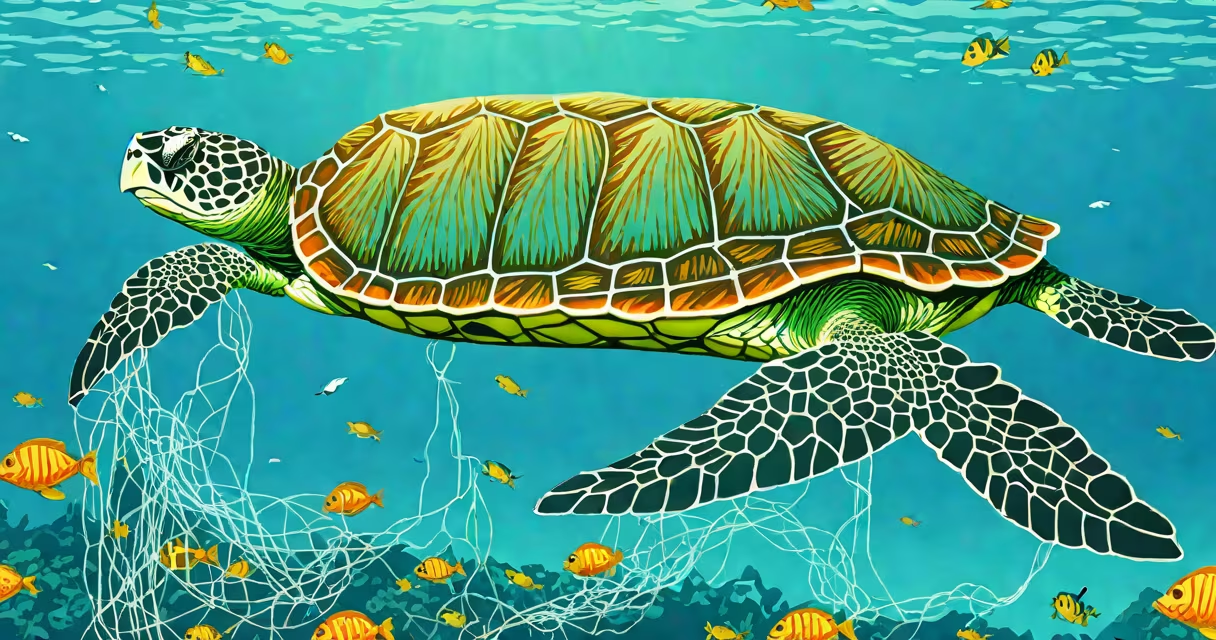
Plastic pollution harms marine animals through ingestion, entanglement, and system disruption. Over 11 million metric tons of plastic enter oceans annually, affecting species from plankton to whales. This pollution alters food webs, damages habitats, and causes physical injury or death.
Plastic enters marine environments via rivers, storm drains, and direct dumping. Once in water, it breaks into smaller pieces due to sunlight and wave action. These fragments-microplastics under 5 mm-enter the food chain at the base. Zooplankton mistake them for food, ingesting particles that reduce nutrient absorption and impair reproduction. A 2021 study in *Nature Communications* found that microplastics reduced feeding efficiency in copepods by 30% at concentrations found in coastal zones.
Marine mammals, seabirds, and fish often consume larger plastic debris. Sea turtles confuse floating plastic bags for jellyfish-their primary prey. A 2018 study published in *Scientific Reports* analyzed 1,000 sea turtles across 37 countries and found that 52% had ingested plastic. Of those, 22% died from internal blockages or perforations. Dolphins and seals suffer similar fates, with plastic fragments causing intestinal obstructions or leaching toxic chemicals like bisphenol A (BPA) and phthalates.
| Type of Impact | Primary Mechanism | Examples of Affected Species | Documented Consequence |
|---|---|---|---|
| Ingestion | Mistaking plastic for food | Sea turtles, albatrosses, fish | Internal blockage, starvation, chemical exposure |
| Entanglement | Being trapped in nets, ropes, rings | Seals, dolphins, whales | Amputation, drowning, impaired movement |
| Habitat Degradation | Smothering reefs, altering sediment | Coral, seagrass, benthic invertebrates | Reduced oxygen exchange, loss of breeding grounds |
Entanglement occurs when marine animals become caught in discarded fishing gear-known as "ghost gear." An estimated 640,000 tons of fishing gear are lost or abandoned each year, according to the UN Environment Programme. Seals and sea lions frequently drown after becoming entangled in nylon nets. In the North Atlantic, satellite tracking shows that 15% of tagged harbor seals were found dead with plastic debris around their flippers or necks.
Microplastics are especially insidious because they persist in ecosystems and bioaccumulate. They absorb pollutants like polychlorinated biphenyls (PCBs) and heavy metals from seawater. When consumed, these toxins transfer up the food chain. A 2022 study in *Environmental Science & Technology* showed that fish exposed to microplastics had elevated levels of mercury and lead in their livers-levels linked to neurological damage and reduced fertility.
One overlooked consequence is the disruption of marine microbial communities. Plastics provide surfaces for invasive microbes to colonize, forming biofilms that alter local chemistry. Research from the University of California, Santa Barbara, demonstrated that biofilm-covered plastic particles altered nitrogen cycling in coastal sediments, reducing productivity in benthic zones.
A common misconception is that biodegradable plastics solve the problem. While marketed as eco-friendly, many bioplastics require industrial composting facilities to break down. In ocean conditions, they degrade slowly-often taking decades. A 2020 experiment by the National Oceanic and Atmospheric Administration (NOAA) showed that polylactic acid (PLA) plastic took over 10 years to fragment in seawater, releasing microplastics during the process.
I once observed a stranded gray seal pup near Cape Cod, its hind flipper tightly bound by a plastic six-pack ring. The animal was unable to swim or feed. After rescue and surgery, it survived-but the incident underscored how everyday consumer waste directly impacts wildlife. The ring had likely come from a beverage container shipped from a distant port.
Some regions have implemented effective mitigation strategies. In Indonesia, community-led cleanups removed over 150 tons of plastic from river mouths between 2019 and 2022, reducing inputs to the Coral Triangle. In Norway, mandatory extended producer responsibility laws now require manufacturers to fund collection and recycling of packaging materials. These policies reduce leakage into marine systems.
Understanding the effects of plastic pollution on marine life reveals a pattern of harm rooted in human consumption habits. Reducing single-use plastics, supporting circular economy models, and enforcing waste management regulations are critical steps toward reversing damage. The scale of the issue demands coordinated global action, not isolated efforts.