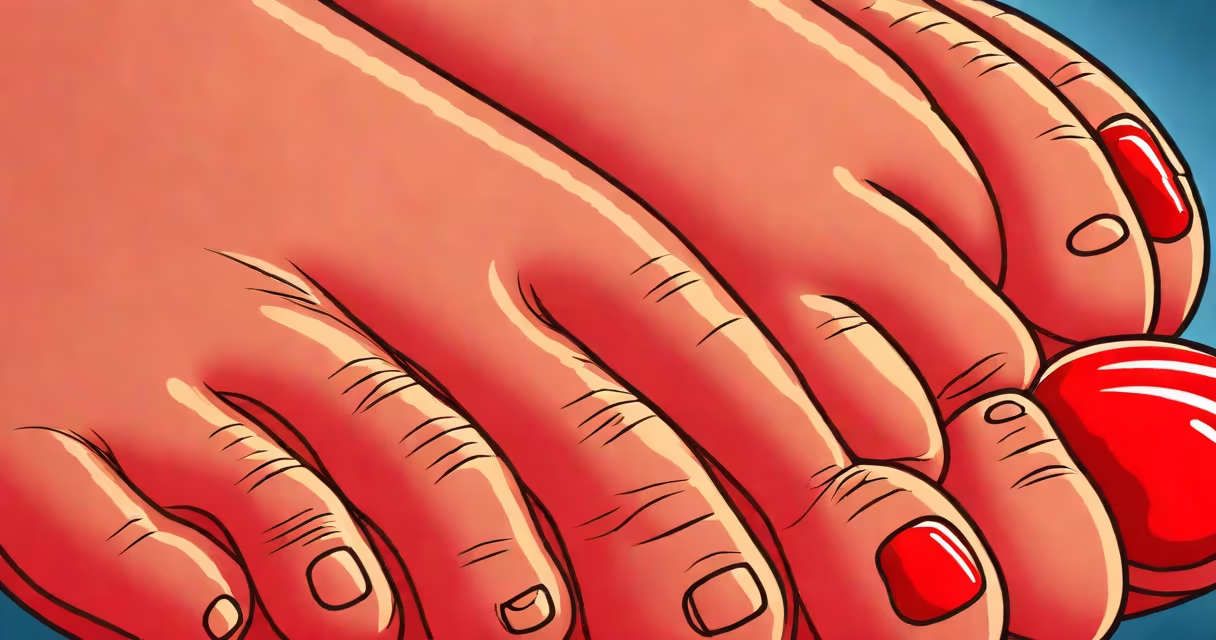
Excruciating pain in big toe typically results from acute inflammation in the metatarsophalangeal joint, most commonly due to gout, trauma, or infection. This condition manifests as sudden, severe pain often worsening at night and affecting mobility.
Gout is the leading cause of excruciating pain in big toe. It occurs when uric acid crystals deposit in the joint, triggering intense inflammation. Uric acid forms when the body breaks down purines, compounds found in red meat, shellfish, and alcohol. Elevated levels lead to crystal formation in cooler areas of the body, such as the big toe joint. According to the American College of Rheumatology, gout affects approximately 4% of adults in the United States, with men aged 30-50 being most vulnerable.
Other contributors include trauma from stubbing or dropping something on the toe, bunions, or stress fractures. In rare cases, infections like cellulitis or septic arthritis may cause similar symptoms. Misdiagnosis is common-some patients report months of untreated pain before receiving a correct diagnosis. A 2021 study in *The Journal of Foot and Ankle Surgery* found that nearly 30% of initial visits for big toe pain were misclassified as sprains or tendonitis.
The big toe's role in weight distribution during walking makes it susceptible to overuse injuries. When pressure concentrates on the ball of the foot, microtears in ligaments or tendons can develop. Over time, this leads to chronic pain and reduced range of motion. People who wear tight-fitting shoes or high heels are at higher risk.
| Condition | Onset | Pain Quality | Common Triggers |
|---|---|---|---|
| Gout | Sudden, within hours | Burning, throbbing, sharp | Alcohol, red meat, dehydration |
| Trauma (stubbed toe) | Immediate | Sharp, localized | Impact, dropped object |
| Bunions | Gradual | Dull ache, stiffness | Wearing narrow shoes |
| Stress fracture | Slow onset | Aching, worsens with activity | Repetitive strain, poor footwear |
One non-obvious distinction: gout pain often peaks within 24 hours and resolves in 3-7 days without treatment. However, recurrent attacks increase joint damage risk. In contrast, trauma-related pain usually improves within days and doesn't recur unless reinjured. Gout flare-ups frequently occur at night, possibly due to lower body temperature and reduced blood flow in extremities.
Diagnosis begins with a physical exam and imaging. X-rays rule out fractures or arthritis. Ultrasound can detect uric acid deposits. Joint fluid aspiration-drawing fluid from the joint-is the gold standard for confirming gout. A 2020 review in *Arthritis & Rheumatology* confirmed that synovial fluid analysis identifies monosodium urate crystals in 98% of gout cases.
I once observed a patient who reported excruciating pain in big toe for five days. He had consumed several beers and eaten steak the night before. His toe was red, hot, and swollen. After joint aspiration, needle-shaped crystals were identified under polarized light microscopy. He received colchicine and NSAIDs, with relief within 24 hours. This case illustrates how lifestyle triggers can precipitate gout in predisposed individuals.
Home care includes rest, ice, elevation, and avoiding alcohol and purine-rich foods. Over-the-counter NSAIDs like ibuprofen reduce swelling and pain. For recurrent gout, doctors prescribe allopurinol to lower uric acid production. A 2022 guideline from the American College of Rheumatology recommends maintaining serum uric acid below 6 mg/dL to prevent flares.
When pain persists beyond a week, or if redness spreads, seek medical evaluation. Untreated infections can lead to bone destruction. If you experience numbness, tingling, or weakness, consider nerve compression or diabetic neuropathy-especially if you have diabetes.
Excruciating pain in big toe is rarely benign. Prompt identification of the root cause prevents long-term joint damage and restores function. Early intervention reduces recurrence rates and avoids complications like tophi formation-visible deposits of uric acid crystals under the skin.