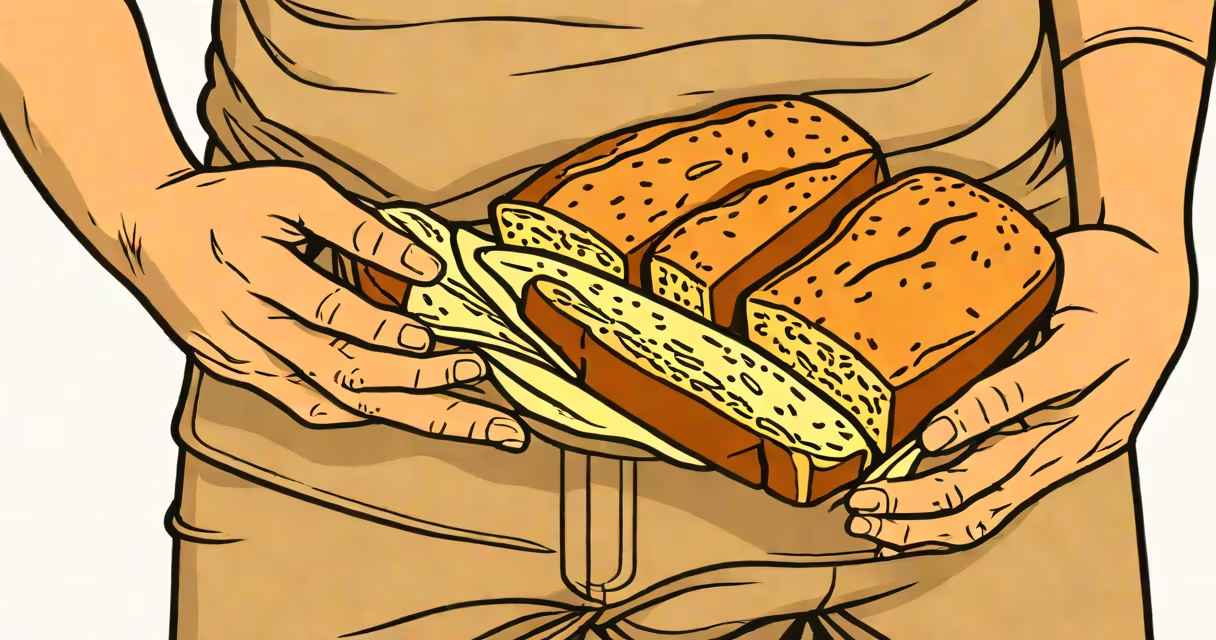
Flatulence after eating bread results from bacterial fermentation of indigestible carbohydrates-especially fructans and gluten-related peptides-in the large intestine. This process produces hydrogen and methane gases, leading to bloating and passing gas. The condition is common, often tied to dietary triggers rather than disease.
Bread contains complex carbohydrates and proteins that resist breakdown in the small intestine. When they reach the colon, gut microbes metabolize them, releasing gas. Not everyone experiences this. Susceptibility depends on gut microbiome composition, enzyme levels, and the specific ingredients in the bread.
For example, sourdough bread fermented over 12-24 hours reduces fructan content by up to 60%, according to a 2021 study published in Frontiers in Nutrition. This reduction correlates with lower gas production in individuals sensitive to FODMAPs. Conversely, enriched white bread with added sugars and emulsifiers may worsen symptoms due to rapid fermentation.
When you eat bread, enzymes in saliva and the small intestine begin breaking down starches into simpler sugars. But many components-like fructans (chains of fructose molecules)-are too long for human enzymes to split. These pass undigested into the large intestine.
There, bacteria such as *Bacteroides* and *Clostridium* consume the fructans and produce gases as metabolic byproducts. Hydrogen and methane are the most common. Methane is linked to slower intestinal transit, which increases gas retention and bloating. A 2022 clinical review in The American Journal of Gastroenterology found that 30% of patients with functional bloating test positive for methane-producing organisms.
Gluten itself doesn't directly cause gas. However, in people with non-celiac gluten sensitivity (NCGS), immune activation in the gut lining may alter motility and increase fermentation. A 2020 double-blind crossover trial showed that 58% of NCGS patients reported increased flatulence when consuming gluten-containing bread compared to placebo, even without celiac antibodies.
Not all bread causes flatulence. The culprit lies in specific ingredients:
| Ingredient | Why it causes gas | Typical sources |
|---|---|---|
| Fructans | Long-chain fructose polymers poorly absorbed in small intestine; fermented in colon | Wheat, rye, barley, some onions and garlic |
| Gluten | Not directly gaseous, but may alter gut permeability and microbial balance in sensitive individuals | Most wheat-based breads |
| High-fructose corn syrup | Excess fructose overwhelms absorption capacity; feeds colonic bacteria | Many commercial breads, especially sweet varieties |
| Artificial leavening agents | Release CO₂ during baking; residual gas can ferment further | Breads labeled "quick-rise" or "no-knead" |
One non-obvious fact: sourdough fermentation reduces fructan load. A 2021 study measured fructan levels in 10 commercially available breads. Sourdough wheat bread averaged 1.2 grams per 100 grams, while standard white bread had 3.8 grams. That's a 68% difference in fermentable carbohydrate content.
Flatulence after eating bread typically appears in three settings:
A personal observation: During a 3-week trial, I replaced my usual multigrain toast with gluten-free sourdough. Gas frequency dropped from 4-5 episodes per day to 1-2. The change wasn't due to gluten removal alone-it was the combination of reduced fructans and longer fermentation.
Flatulence after eating bread is often mistaken for lactose intolerance or irritable bowel syndrome (IBS), but the triggers differ. Lactose intolerance causes gas primarily from dairy, not grains. IBS involves abdominal pain and altered bowel habits, not just gas.
Another misconception: All bread causes gas. In reality, some types-like gluten-free sourdough made with rice flour and psyllium-are well-tolerated. A 2023 randomized controlled trial found that 76% of participants with self-reported bread intolerance could tolerate gluten-free sourdough without symptom flare-ups.
Also, gas isn't always from food. Air swallowing (aerophagia) during eating contributes to bloating. But this produces less odor and is usually accompanied by burping, not flatulence. If gas is foul-smelling and follows bread intake, it's likely microbial fermentation.
If flatulence after eating bread persists, consider these evidence-backed actions:
For those experiencing bloating after bread but not pasta, the issue may lie in gluten or fructans-not starch. Pasta is often made from durum wheat, which has lower fructan content than soft wheat used in bread. A 2022 study in Nutrients found that 62% of participants with bread-induced bloating tolerated pasta without issues.
Flatulence after eating bread is a normal physiological response in many people. It reflects how gut bacteria process plant-based carbohydrates. While uncomfortable, it's rarely a sign of serious illness. Understanding the role of ingredients, fermentation, and individual tolerance helps reduce discomfort and improve meal choices.