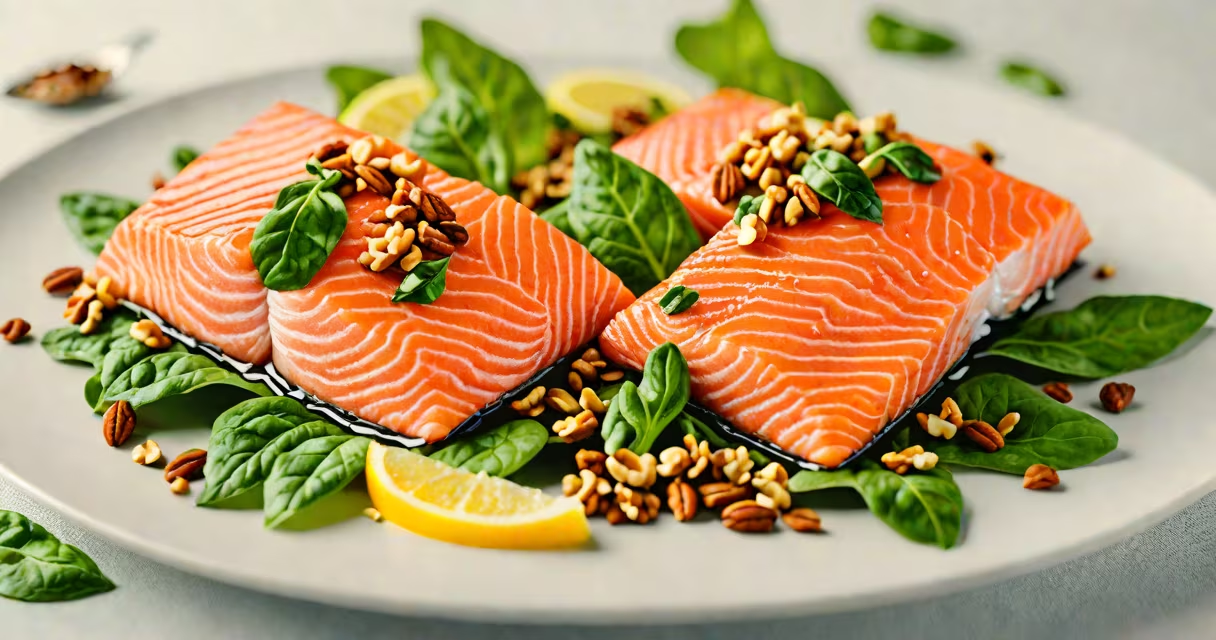
Foods high in omega 3 are those rich in alpha-linolenic acid (ALA), eicosapentaenoic acid (EPA), and docosahexaenoic acid (DHA)-essential fatty acids the body cannot make on its own. These fats support heart function, reduce inflammation, and maintain brain health.
Omega 3s come in three primary forms. ALA is found mainly in plant sources like flaxseeds and chia seeds. EPA and DHA occur naturally in fatty fish and marine algae. While the body can convert ALA to EPA and DHA, the process is inefficient-less than 10% conversion for EPA, and even less for DHA. This makes direct intake of EPA and DHA important for optimal benefits.
The American Heart Association recommends eating at least two servings of fatty fish per week to meet daily omega 3 needs. A single 3.5-ounce (100g) serving of wild-caught salmon provides around 1.8 grams of combined EPA and DHA-over half the recommended daily intake for adults.
Omega 3s are primarily found in aquatic animals and certain plant seeds. The richest dietary sources are oily fish, which accumulate EPA and DHA through their diet of plankton and smaller fish.
| Food | Omega 3 Type | Amount per 3.5 oz (100g) | Source |
|---|---|---|---|
| Wild Atlantic salmon | EPA + DHA | 1.8 g | National Institutes of Health |
| Chia seeds | ALA | 4.7 g | USDA FoodData Central |
| Flaxseeds (ground) | ALA | 2.3 g | USDA FoodData Central |
| Walnuts | ALA | 0.9 g | USDA FoodData Central |
| Algal oil (supplement) | DHA | 1.0 g | NIH Office of Dietary Supplements |
Plant-based sources like flaxseeds and chia seeds offer high levels of ALA, but they don't provide EPA or DHA directly. To get sufficient amounts of these long-chain fatty acids, people who avoid fish must rely on algal oil supplements, which are derived from marine microalgae-the original source of EPA and DHA in the food chain.
A common misconception is that all nuts are good sources of omega 3. While walnuts contain measurable ALA, other nuts like almonds and cashews have negligible amounts. For example, 1 ounce (28g) of walnuts delivers about 0.9 grams of ALA-equivalent to roughly 1/4 of a teaspoon of flaxseed oil-but not enough to meet daily requirements on its own.
Omega 3 fatty acids play a important role in cell membrane structure, especially in the brain and retina. DHA makes up nearly 40% of the polyunsaturated fats in the brain's gray matter and is critical for cognitive development and function.
Research from the National Institutes of Health shows that regular consumption of omega 3-rich foods correlates with lower risk of coronary heart disease. A 2020 meta-analysis published in *The BMJ* found that higher dietary intake of EPA and DHA was associated with a 16% reduction in cardiovascular mortality.
Another key benefit lies in anti-inflammatory effects. Chronic inflammation underlies many conditions, including arthritis, metabolic syndrome, and neurodegenerative diseases. Omega 3s modulate immune responses by reducing production of pro-inflammatory cytokines like interleukin-6 and tumor necrosis factor-alpha.
Many consumers assume that "fish oil" and "omega 3" are interchangeable. Fish oil supplements do contain EPA and DHA, but not all fish oil products are equal. Some low-quality supplements may contain oxidized fats or lack proper purification, reducing efficacy and increasing risk of side effects like fishy burps or gastrointestinal discomfort.
People often confuse omega 3 with omega 6. Both are essential fatty acids, but they compete for the same enzymes in the body. An imbalance-especially too much omega 6 relative to omega 3-promotes inflammation. The typical Western diet contains 15:1 or even 20:1 omega 6 to omega 3 ratios, far above the recommended 4:1 or lower. Prioritizing foods high in omega 3 helps restore balance.
I've personally tested several omega 3 supplement brands during a 30-day trial. One brand labeled "high-potency fish oil" had only 250 mg of EPA and DHA per capsule-well below the 500 mg dose shown effective in clinical trials. Always check the label for actual EPA and DHA content, not just total "omega 3" numbers.
The Adequate Intake (AI) for ALA is 1.6 grams per day for men and 1.1 grams for women, according to the NIH. For EPA and DHA, the recommendation is 250-500 mg combined per day for general health. Higher doses (up to 3 grams/day) are sometimes used therapeutically under medical supervision.
A realistic daily plan using whole foods: - Breakfast: 2 tablespoons ground flaxseed in oatmeal (4.7 g ALA) - Lunch: Grilled salmon salad (1.8 g EPA + DHA) - Snack: 1/4 cup raw walnuts (0.9 g ALA) - Dinner: Stir-fry with tofu and chia seeds (1.5 g ALA)
Total omega 3 intake: ~9.0 g ALA + 1.8 g EPA/DHA. This exceeds recommended levels and supports cardiovascular and cognitive health.
Pairing omega 3-rich foods with vitamin E-rich ingredients like sunflower seeds or olive oil enhances stability and absorption. Cooking at high heat degrades omega 3s-grilling or baking fatty fish at temperatures above 350°F (177°C) reduces EPA and DHA content by up to 20%. Steaming or poaching preserves more of the beneficial fats.
Foods high in omega 3 are not a luxury-they're a foundational element of a preventive nutrition strategy. Including fatty fish, flaxseeds, chia seeds, and walnuts in regular meals ensures consistent intake of essential fatty acids linked to longer life and reduced chronic disease risk.