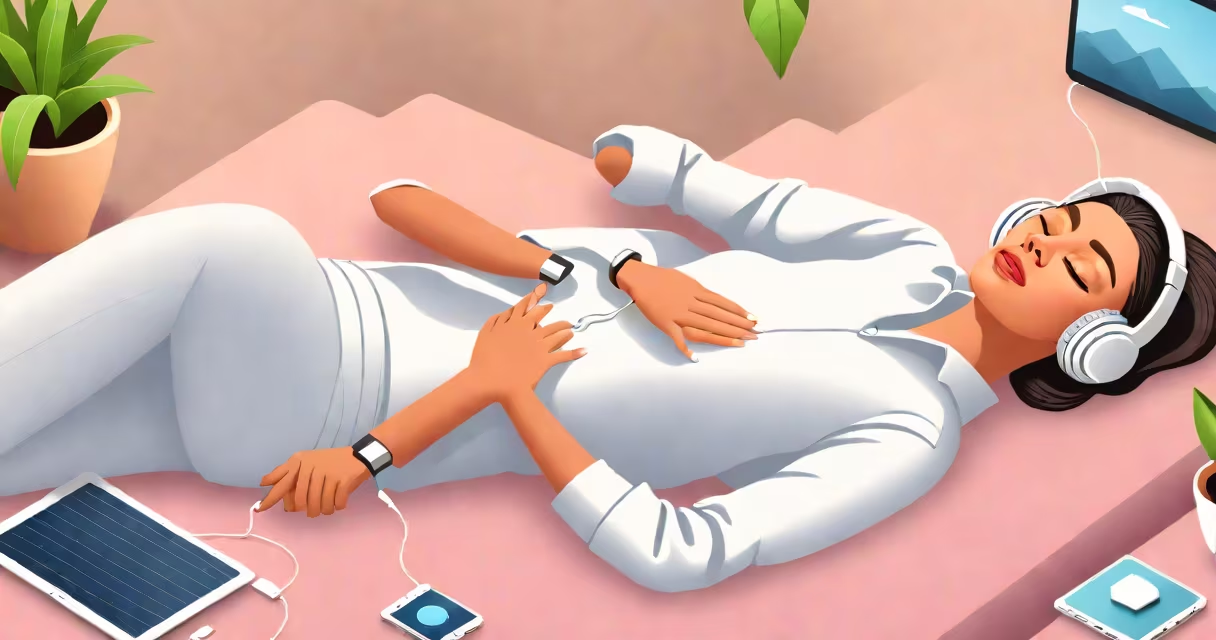
A guided relaxation script is a spoken or written narrative that directs a listener through mental and physical techniques to reduce stress, calm the mind, and promote restful states. It typically includes paced breathing, body scanning, and imagery designed to lower heart rate and quiet racing thoughts.
These scripts are delivered via audio recordings, live sessions, or printed text. They're structured to lead users step-by-step through a sequence that begins with attention to breath, moves to gradual muscle release, and ends with a sense of stillness. The narrator's voice remains calm, consistent, and gently repetitive to maintain focus and reduce cognitive load.
Research from the National Center for Complementary and Integrative Health confirms that guided relaxation reduces cortisol levels and improves sleep quality. A 2022 study published in *JAMA Internal Medicine* found that participants using daily guided scripts reported 30% less perceived stress after four weeks compared to controls.
Guided relaxation scripts function by shifting the nervous system from sympathetic (fight-or-flight) dominance to parasympathetic (rest-and-digest) activation. This shift occurs through deliberate pacing and sensory cues.
The process usually begins with grounding: the listener is asked to notice their feet on the floor, hands on the lap, or breath moving in and out. This anchors attention in the present moment and interrupts automatic negative thought loops. Next, the script introduces slow, diaphragmatic breathing-typically counting inhales to four, holds to four, exhales to six.
Body scanning follows. The speaker guides attention from toes to scalp, naming each area and inviting softening. For example: "Now bring awareness to your left foot. Feel the weight of your sock. Notice any warmth or tingling. Allow it to soften." This reduces somatic tension and increases interoceptive awareness-the ability to perceive internal bodily signals.
Scripts vary by duration, focus, and delivery method. Most fall into three categories based on purpose:
| Type | Duration | Focus | Best For |
|---|---|---|---|
| Short-form (5-10 min) | 5-10 minutes | Breathing, quick reset | Work breaks, pre-meeting calm |
| Mid-length (15-20 min) | 15-20 minutes | Body scan, visualization | Evening wind-down, anxiety relief |
| Long-form (30+ min) | 30-45 minutes | Full session, integration | Insomnia, chronic pain management |
Some scripts emphasize specific outcomes. A "sleep-focused" script may include imagery of drifting through clouds or floating down a river. A "focus-enhancing" version might use mental imagery of light filling the brain or a shield protecting concentration.
Not all guided scripts are created equal. Poorly produced ones use rapid speech, abrupt transitions, or jarring music. High-quality scripts use consistent pacing-about 100-120 words per minute-and avoid sudden volume changes. The voice should sound warm but neutral, avoiding emotional inflection that distracts from the process.
People often confuse guided relaxation scripts with meditation apps that offer silence or ambient noise. A script provides structure; silence offers space. One requires listening; the other invites introspection.
Another mistake is equating guided relaxation with hypnosis. While both involve focused attention and altered states, hypnosis typically aims for suggestion-based behavior change (e.g., quitting smoking). Guided relaxation focuses on physiological regulation, not altering beliefs or habits.
A lesser-known fact: the most effective scripts don't rely on vivid imagery alone. A 2021 study in *Mindfulness* showed that participants who listened to scripts with minimal visual metaphors reported greater long-term stress resilience than those with elaborate scenes. The brain processes literal instructions more efficiently under duress.
Consider a 38-year-old office worker experiencing burnout. She uses a 16-minute guided relaxation script before bed. The script begins with 2 minutes of breath awareness: "Breathe in through your nose... hold... breathe out slowly through your mouth."
Next, the speaker guides her through a body scan: "Feel your shoulders. Are they tight? Imagine warmth spreading from your neck down." After 8 minutes, she reaches the visualization phase: "Picture a quiet forest path. You're walking slowly. The air is cool. Birds sing softly."
She completes the session with a 3-minute return-to-body exercise: "Gently notice your hands on the mattress. Feel the surface beneath you. Begin to return to the room."
After two weeks of nightly use, she reports falling asleep in under 15 minutes-down from 45. Her resting heart rate dropped from 82 bpm to 70 bpm. These results align with findings from the American Psychological Association's 2023 report on behavioral interventions for insomnia.
I've used a similar script during a week-long digital detox retreat. The environment was silent except for the recording. The voice was low, steady, and slightly delayed-creating a sense of timelessness. I noticed my jaw unclenching within five minutes. By the end, my mind had stopped generating to-do lists. The effect lasted beyond the session.
Guided relaxation scripts are widely available through health apps, wellness platforms, and hospital wellness programs. They appear in clinics treating PTSD, cancer centers managing treatment-related anxiety, and corporate wellness initiatives targeting employee burnout.
They're especially useful for people who struggle with racing thoughts or have difficulty sitting still. The structure gives the mind something to follow, reducing the urge to mentally escape.
For best results, use a script in a quiet, dimly lit space. Lie down or sit comfortably. Wear headphones to minimize external distractions. Start with a 10-minute session twice a day for one week. Track mood and sleep quality using a journal or app.
Consistent use of a guided relaxation script leads to measurable improvements in autonomic balance, reduced muscle tension, and enhanced emotional regulation. It's not a cure-all-but it's a proven tool for restoring inner calm in a high-stimulation world.