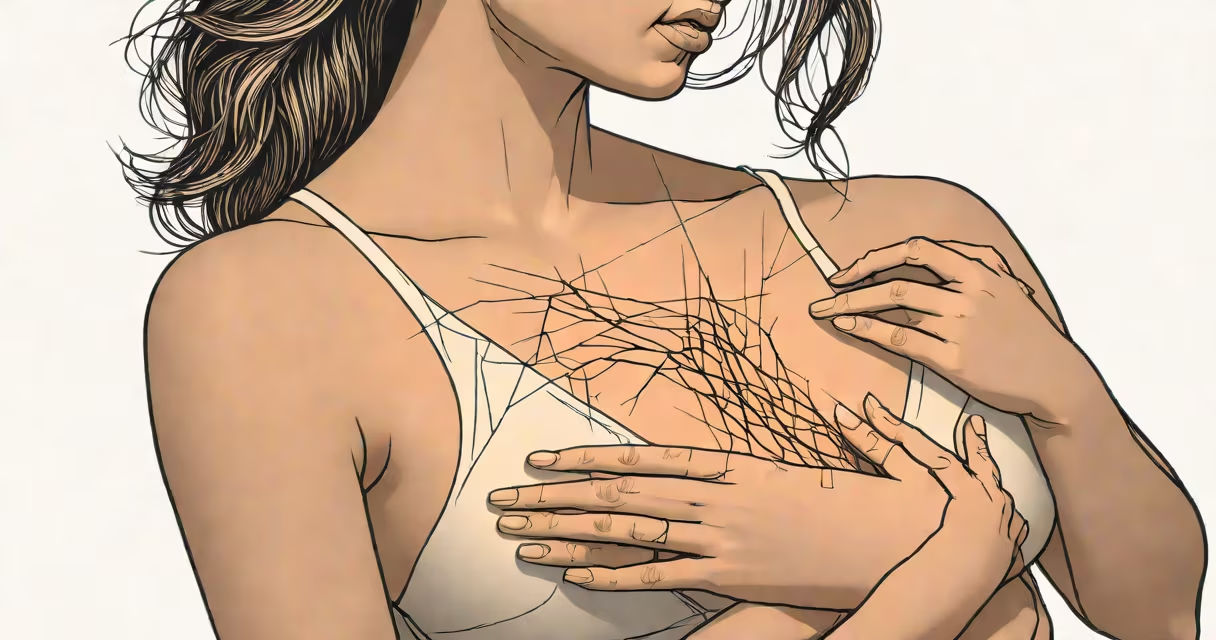
Yes, it is normal to experience breast pain at times, especially due to hormonal changes, menstrual cycles, or benign breast conditions. Breast pain affects up to 70% of women at some point in their lives, according to the American College of Obstetricians and Gynecologists (ACOG).
Most breast pain is not a sign of cancer. It typically presents as a dull ache, heaviness, or soreness, often in both breasts. The sensation may worsen before menstruation and improve afterward. Pain can also occur during pregnancy, breastfeeding, or due to certain medications.
When pain is persistent, localized to one area, or accompanied by skin changes, nipple discharge, or lumps, medical evaluation is advised. However, mild to moderate breast pain that fluctuates with the cycle is common and usually harmless.
Breast pain arises from changes in breast tissue in response to hormones like estrogen and progesterone. These hormones surge during the menstrual cycle, causing fluid retention and swelling in breast ducts and lobules. This leads to increased sensitivity and discomfort.
Pain often begins in the second half of the cycle, around ovulation, and peaks just before menstruation. It tends to subside once bleeding starts. This pattern is known as cyclical breast pain and accounts for about 70% of cases, per ACOG.
Non-cyclical pain can stem from trauma, tight clothing, muscle strain, or underlying conditions such as fibrocystic breasts. These involve benign lumps or cysts that may cause pressure or sharp sensations.
There are two primary types of breast pain: cyclical and non-cyclical. Cyclical pain aligns with the menstrual cycle and is linked to hormonal fluctuations. Non-cyclical pain occurs independently of the cycle and may be constant or intermittent.
| Type | Timing | Characteristics | Common Causes |
|---|---|---|---|
| Cyclical | Pre-menstrual, resolves with period | Dull, heavy, bilateral | Hormonal shifts, fibrocystic changes |
| Non-cyclical | Any time, unpredictable | Sharp, localized, sometimes unilateral | Muscle strain, injury, cysts, infections |
One non-obvious distinction: breast pain from fibrocystic changes is often described as "ropy" or "lumpy" under the skin. These changes are not precancerous and do not increase cancer risk, though they can mimic tumors on imaging.
A personal observation: during a routine check-up, a patient reported sharp, stabbing pain in her left breast that occurred only when lying on her side. Ultrasound revealed a small fluid-filled cyst-common and benign. After aspiration, pain resolved within 48 hours.
While most breast pain is benign, red flags include pain that is new, persistent, or worsening over weeks. A lump that feels hard, irregular, or fixed in place requires prompt evaluation.
Nipple discharge-especially bloody or clear from one duct-is not typical. So is skin dimpling, puckering, or redness resembling an orange peel. These signs may indicate inflammatory breast cancer, a rare but aggressive form.
Women over 40, those with a family history of breast cancer, or those who've had prior breast biopsies should seek screening if pain persists. The National Breast Cancer Foundation notes that only 1-5% of breast pain cases are due to cancer.
For cyclical pain, lifestyle adjustments often reduce symptoms. Wearing a well-fitted bra, especially during exercise, can minimize movement-related discomfort. Reducing caffeine intake-studies show a 30% reduction in pain among women who cut back-may help.
Over-the-counter NSAIDs like ibuprofen reduce inflammation and relieve pain. Some women benefit from evening primrose oil or vitamin E supplements, though evidence is mixed. A 2018 randomized trial found modest improvement in pain scores with evening primrose oil, but results were not consistent across all groups.
If pain interferes with daily life, a healthcare provider may prescribe low-dose birth control pills to stabilize hormones. For severe cases, medications like danazol or tamoxifen are used off-label, but side effects limit long-term use.
When pain is localized or sharp, imaging such as ultrasound or mammogram may be needed. A biopsy is only required if a lesion appears suspicious. Most benign findings are monitored rather than treated.
Is it normal to have breast pain? Yes-most cases are temporary, hormone-driven, and not linked to cancer. Recognizing patterns, understanding triggers, and knowing when to consult a doctor ensures peace of mind and timely care.