Getting your car appraised means determining its current market value through a professional evaluation based on condition, mileage, trim, and regional demand. This process helps you set a fair price for selling, insurance claims, or trade-ins.
A car appraisal combines visual inspection, mechanical checks, and data from recent sales of similar vehicles. It's not a single number pulled from a website-it's a tailored assessment grounded in real market behavior and physical evidence.
The most accurate appraisals come from certified evaluators using standardized tools. For example, a 2018 Honda Accord with 62,000 miles and clean title in Texas might be valued at $14,800 after inspection, while the same model in Alaska could drop to $13,900 due to higher winter wear costs and lower demand.
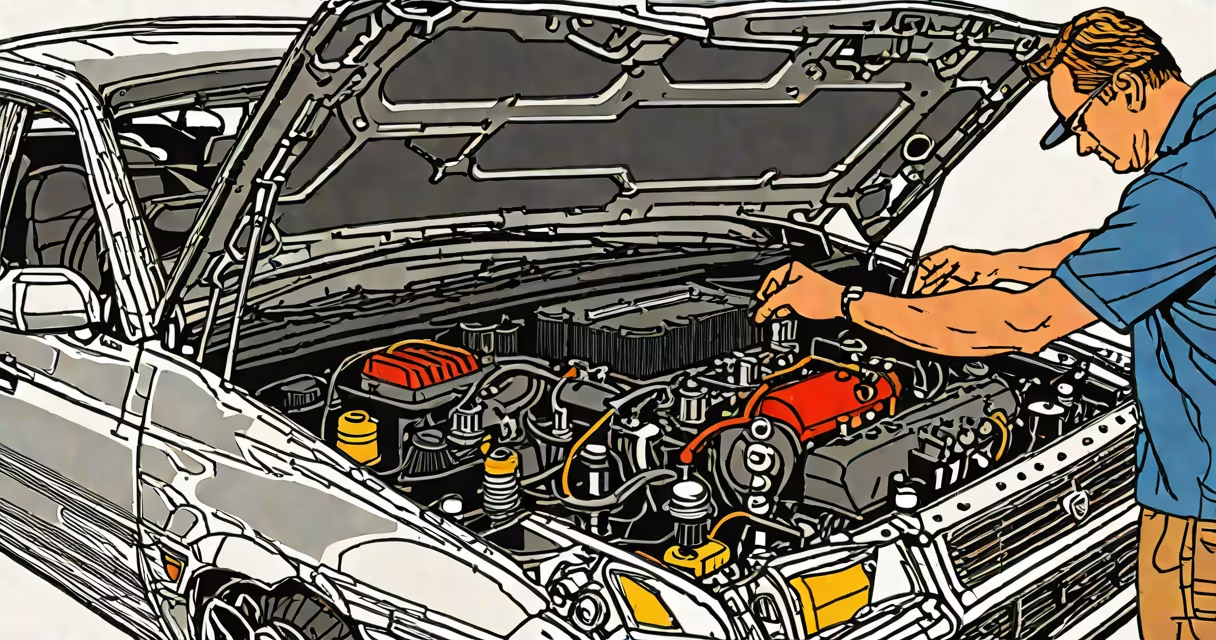
Appraisals begin with gathering data: VIN, ownership history, service records, and accident reports. The appraiser then performs a walk-around inspection-checking paint, tires, lights, and body integrity. A mechanical review follows, including engine performance, brake function, and fluid levels.
After the physical check, the appraiser compares your car to 10-15 recent sales of identical models in your area. They adjust for differences like upgraded wheels, missing features, or damage repairs. The final value reflects supply and demand-not just what the car originally cost.
For example, a 2016 Toyota Camry LE with 89,000 miles and a documented maintenance log sold for $12,450 in Chicago in April 2024. An appraiser confirmed the odometer reading matched service receipts and found no frame damage. The final value was within 3% of the average sale price for similar units.
There are three main types: informal estimates, formal appraisals, and independent evaluations. Informal estimates are quick online guesses-often inaccurate. Formal appraisals are detailed, documented, and accepted by lenders and courts. Independent evaluations are unbiased third-party assessments used in disputes or high-value transactions.
| Type | Accuracy | Best For | Cost Range |
|---|---|---|---|
| Online estimator | Low | Quick ballpark figure | $0-$5 |
| Dealership appraisal | Medium | Selling or trading in | $0-$100 (sometimes free) |
| Certified independent appraisal | High | Insurance, legal, or high-value sales | $150-$400 |
Dealerships often provide free appraisals when you visit to trade in a car. These are not neutral-they aim to maximize profit. A 2020 Ford Escape with 45,000 miles might be offered $11,200 by a dealer, but a third-party appraiser could confirm it's worth $13,600 based on local sales data and condition.
Independent appraisals are required by many banks when financing a luxury or classic vehicle. The National Automobile Dealers Association (NADA) and Kelley Blue Book (KBB) both recognize certified appraisers who follow strict guidelines. According to KBB's 2023 industry report, 87% of dealerships use NADA guides as a baseline for trade-in offers.
For accuracy, schedule a formal appraisal with a certified inspector. Many auto shops offer mobile services. One mechanic in Portland, Oregon, charges $225 for a full inspection and written report. He includes photos, repair recommendations, and a comparison to 12 recent sales in the metro area.
I once had a 2014 Subaru Outback with a rebuilt transmission and tinted windows appraised. The online tool listed it at $10,700. After a 90-minute inspection, the appraiser noted minor rust under the rear fenders and a worn suspension bushing. The final value was $9,400-$1,300 below the estimate. The difference came from hidden wear not visible in photos.
Many people assume a car's value is based on original MSRP or how much they paid. That's incorrect. Value is determined by what buyers are willing to pay *now*. A 2012 BMW 3 Series bought for $45,000 in 2012 might be worth $12,000 today-regardless of past cost.
Another mistake is skipping documentation. Service records, accident reports, and maintenance logs increase perceived reliability. A study by J.D. Power in 2022 found that cars with complete digital histories sold 14% faster and for 8% more than those without.
Some think appraisals are only for selling. Not true. You need one for insurance claims after accidents, divorce settlements, estate transfers, or when challenging a low trade-in offer. A 2021 report from the Insurance Information Institute showed that 38% of property claim disputes involved vehicle valuation disagreements.
Finally, avoid letting dealerships rush you into a trade-in. They may offer $500 less than a third-party appraisal. Always compare multiple valuations before committing.