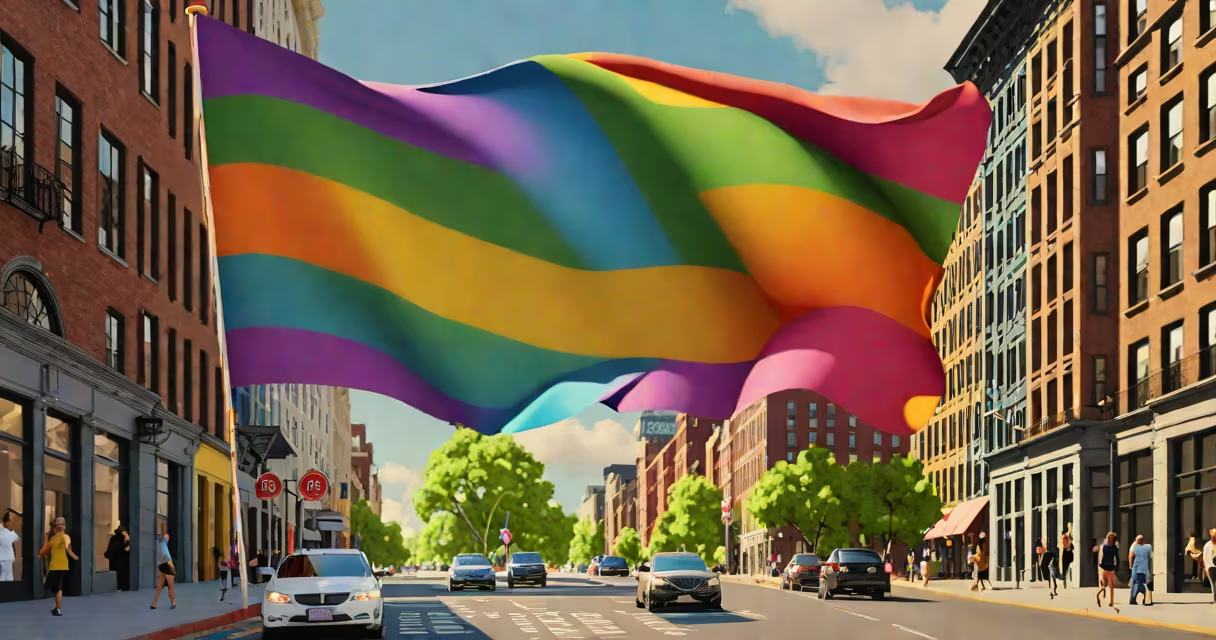
June has been recognized as Pride Month since the early 1970s, established to commemorate the 1969 Stonewall Uprising and honor the ongoing struggle for LGBTQ+ rights. This designation emerged from grassroots organizing and has since become a consistent annual observance across the United States and many countries worldwide.
The choice of June stems directly from the events of June 28, 1969, when patrons at the Stonewall Inn in New York City resisted a police raid, sparking days of protests and catalyzing the modern LGBTQ+ rights movement. The first Pride marches were held in 1970 on the one-year anniversary of the uprising, and June was selected as the month to mark this milestone.
By 1973, the first official Pride Month celebrations were organized in several U.S. cities, including San Francisco and Los Angeles. These events were coordinated by local LGBTQ+ activists and community groups who sought visibility, solidarity, and political recognition. The tradition expanded rapidly through the 1980s and 1990s, supported by national organizations such as the Human Rights Campaign and GLAAD.
June was chosen because it aligns with the anniversary of the Stonewall Uprising, which began on June 28, 1969. The uprising was not a planned protest but a spontaneous reaction to decades of systemic harassment and violence against LGBTQ+ people. Police raids on gay bars were routine, but the resistance at Stonewall marked a turning point in public consciousness.
Historians cite the Stonewall Uprising as the catalyst for the formation of LGBTQ+ advocacy groups, including the Gay Liberation Front and the Gay Activists Alliance. These groups pushed for legal protections, anti-discrimination policies, and greater social acceptance. The first Pride march, held on June 28, 1970, in New York City, drew around 5,000 participants and set the precedent for annual commemorations.
Today, June remains the designated month for Pride globally, though some regions observe additional local or regional Pride events throughout the year. The consistency of June as Pride Month reflects a deliberate effort to maintain continuity with the origins of the movement and to provide a unified time for education, celebration, and advocacy.
In the United States, President Bill Clinton issued the first presidential proclamation recognizing June as Pride Month in 2000. Since then, every U.S. president has reaffirmed the designation, often highlighting progress in LGBTQ+ rights while calling for continued action. The White House hosts events, releases statements, and partners with civil society organizations to promote inclusion.
Internationally, the observance varies. Canada officially recognizes June as Pride Month, with federal support and national events. In the UK, Pride events are held in multiple cities during June, though there is no formal government declaration. Germany and France have seen growing participation in Pride parades, with local governments supporting initiatives focused on LGBTQ+ youth, healthcare access, and anti-hate legislation.
A notable example is Berlin's Christopher Street Day, held annually in June. In 2023, over 700,000 people attended the parade, making it one of Europe's largest LGBTQ+ gatherings. The event includes speeches from politicians, performances by drag artists, and displays of international flags representing diverse gender identities and sexual orientations.
| Country | Pride Month Recognition | Key Event Dates |
|---|---|---|
| United States | Officially recognized since 2000 | June 1-30; White House events on June 28 |
| Canada | National recognition since 2006 | June 1-30; Toronto Pride Parade on June 25 |
| Germany | Local and federal support; no national law | June 22-25; Berlin Pride on June 24 |
| France | Recognized by major cities; no national law | June 23-25; Paris Pride on June 24 |
One widespread misunderstanding is that Pride Month was created in response to the 2016 Orlando nightclub shooting. While the tragedy led to renewed national attention on LGBTQ+ safety, the observance predates that event by decades. The 1969 Stonewall Uprising remains the foundational moment.
Another misconception is that Pride Month is solely a celebration of gay men. The term "Pride" encompasses all sexual orientations and gender identities within the LGBTQ+ spectrum. Events include transgender rights panels, bisexual visibility campaigns, and ally workshops. The 2022 National LGBTQ+ Survey by the Williams Institute found that 68% of respondents identified as part of a non-binary or pansexual identity, underscoring the diversity of representation during June.
A lesser-known fact is that the original Pride march in 1970 included a "gay liberation" banner that read "We're here, we're queer, and we're proud." This slogan was later adapted into the widely used "We're here, we're queer, we're proud" chant. The phrase became a rallying cry in protests and continues to appear in Pride materials today.
I attended my first Pride parade in 2015 in Portland, Oregon. The crowd stretched over three miles along the city's main thoroughfare. I remember seeing a family with children holding handmade signs that read "Love is Love." That moment underscored how Pride has evolved from a protest movement into a public affirmation of identity and belonging. The energy wasn't just celebratory-it carried urgency. People weren't just dancing; they were demanding dignity.
That experience confirmed what historical records show: Pride Month is both a commemoration and a call to action. It honors past struggles while pushing for future change. The persistence of June as the month for this observance helps the legacy of Stonewall remains visible, not buried in nostalgia.
Pride Month is distinct from other LGBTQ+ awareness periods. For example, International Transgender Day of Visibility occurs on March 31, and National Coming Out Day is observed on October 11. These dates serve different purposes-Trans Day of Visibility focuses on visibility and representation of transgender individuals, while Coming Out Day celebrates personal disclosure and support networks.
June stands out because it is the only month consistently dedicated to the entire LGBTQ+ community through large-scale public events, educational programming, and policy advocacy. It is not a single-day observance but a sustained period of engagement. Cities like Chicago and Austin host month-long series of film screenings, art exhibits, and town halls focused on issues like housing insecurity, mental health, and employment discrimination.
June has been Pride Month for over five decades. Its enduring presence reflects the resilience of a community that began with resistance and now thrives through visibility, unity, and continued activism. The answer to "how long has June been Pride Month" is clear: since 1970, and counting.