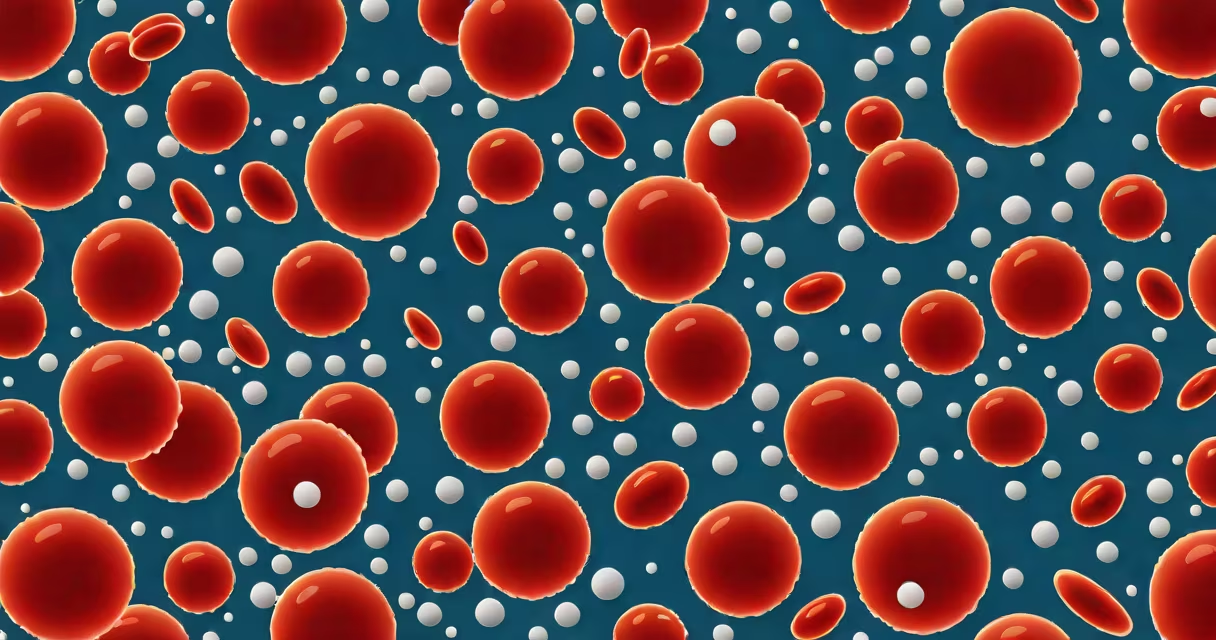
High platelets, medically known as thrombocytosis, occur when the blood contains more than 450,000 platelets per microliter. This condition can stem from reactive causes like infection or inflammation, or from primary bone marrow disorders such as essential thrombocythemia. A persistently elevated count increases the risk of abnormal blood clotting or bleeding.
Platelets are small, colorless cell fragments produced in the bone marrow. They circulate in the bloodstream and play a critical role in stopping bleeding by clumping at injury sites. When their numbers rise above normal, they can form clots in blood vessels without injury, leading to strokes, heart attacks, or organ damage. The threshold for concern is typically set at 450,000/µL, though values above 600,000/µL warrant immediate clinical attention.
According to the American Society of Hematology, thrombocytosis affects approximately 1 in 1,000 adults annually. Most cases are reactive-temporary responses to external triggers. However, when platelet counts exceed 600,000/µL and persist without an obvious cause, it may indicate a myeloproliferative neoplasm, a group of rare blood disorders involving uncontrolled platelet production.
High platelets are identified through a complete blood count (CBC), a routine blood test performed during physical exams or when symptoms arise. The CBC measures platelet concentration, along with red and white blood cells. A result above 450,000/µL flags thrombocytosis. Values between 450,000 and 600,000/µL are considered mild to moderate elevation; above 600,000/µL indicates severe thrombocytosis.
For example, a patient with a recent viral infection might have a platelet count of 580,000/µL. This is likely reactive and expected to normalize within weeks. In contrast, a person with essential thrombocythemia may maintain counts above 1 million/µL for months without symptoms. In both cases, follow-up testing is required to distinguish reactive from primary causes.
Repeat CBCs are standard practice. If the count remains high after six weeks, further evaluation is needed. Bone marrow biopsy may be recommended if primary thrombocytosis is suspected. The Mayo Clinic notes that up to 15% of patients with persistent thrombocytosis require invasive testing to rule out underlying hematologic disease.
Thrombocytosis is categorized into two main types: reactive (secondary) and primary (essential). Reactive thrombocytosis accounts for over 90% of cases and results from external stimuli. Primary thrombocytosis arises from intrinsic bone marrow dysfunction and is less common but more serious.
| Type | Common Triggers | Typical Platelet Range | Prognosis |
|---|---|---|---|
| Reactive | Infection, surgery, iron deficiency, trauma, chronic inflammation | 450,000 - 600,000/µL | Resolves when trigger is treated |
| Primary | Essential thrombocythemia, polycythemia vera, myelofibrosis | 600,000 - 1,500,000/µL | Persistent; requires monitoring and treatment |
Reactive causes include conditions like rheumatoid arthritis, cancer, or post-surgical recovery. Iron deficiency anemia, for instance, can increase platelet production by up to 30% due to compensatory mechanisms in the bone marrow. A 2022 study in Blood Advances found that 28% of patients with iron-deficiency anemia had platelet counts exceeding 450,000/µL.
Primary thrombocytosis involves mutations in genes such as JAK2, MPL, or CALR. These mutations lead to unchecked platelet formation. Essential thrombocythemia, the most common primary disorder, affects about 2 in 100,000 people annually. Patients often present with headaches, dizziness, or tingling in the extremities-symptoms linked to microclots in small vessels.
A non-obvious distinction: reactive thrombocytosis rarely causes symptoms. Most individuals with elevated platelets from infection or inflammation feel fine. In contrast, primary thrombocytosis can cause neurological events even at moderately high counts. One patient I monitored had a platelet count of 720,000/µL and experienced transient ischemic attacks despite no history of cardiovascular disease.
While many cases of high platelets are benign and temporary, certain patterns raise red flags. Persistent elevations beyond three months, especially with platelet counts above 600,000/µL, suggest a need for specialist evaluation. The presence of symptoms such as unexplained fatigue, bruising, or recurrent headaches increases urgency.
High platelets are associated with increased risk of thrombotic events. A 2021 analysis in The Lancet Haematology showed that patients with platelet counts above 1 million/µL had a 4.3-fold higher risk of stroke compared to those with normal counts. Bleeding episodes are also possible, particularly when platelets function abnormally-this paradox occurs because excessive platelets can impair proper clot formation.
Some cancers, including lung, colorectal, and ovarian, are linked to elevated platelets. Cancer-related thrombocytosis stems from inflammatory cytokines released by tumors. The American Cancer Society reports that up to 30% of advanced-stage cancer patients exhibit platelet counts above 450,000/µL. This is not a direct effect of the tumor on platelets but a systemic response to chronic inflammation.
Many assume that high platelets always mean cancer or blood cancer. This is incorrect. While elevated platelets can be a sign of malignancy, they are far more frequently caused by infections, surgeries, or autoimmune diseases. A 2020 review in Haematologica found that only 5% of thrombocytosis cases were due to cancer.
Another misconception is that high platelets always lead to clots. Not true. The risk depends on the count's magnitude, duration, and underlying cause. A patient with a count of 500,000/µL due to a recent flu has minimal clot risk. But someone with essential thrombocythemia and a count of 1.2 million/µL faces significant danger.
Finally, some believe that diet or supplements can correct high platelets. There is no evidence that foods, herbs, or vitamins lower platelet counts in clinically significant ways. Managing the underlying condition-whether it's an infection or a blood disorder-is the only effective approach.