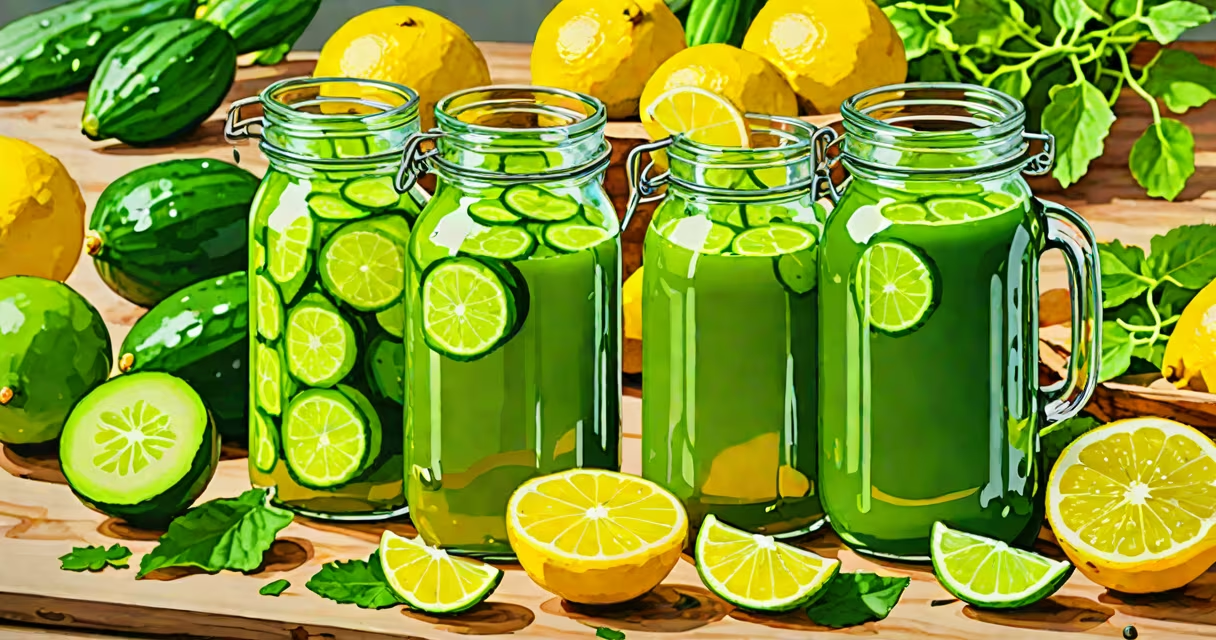
A juice cleanse typically lasts between 3 and 7 days, with most people choosing 3-day or 5-day durations. Shorter cleanses reduce the risk of nutrient deficiencies and metabolic slowdown. Longer fasts beyond 7 days require medical supervision due to potential electrolyte imbalances and muscle loss.
Juice cleansing involves consuming only fruit and vegetable juices for a set period, replacing solid food. The goal is to detoxify the body, reset digestion, and promote short-term weight loss. While popularized in wellness circles, scientific evidence supporting detoxification claims remains limited. The human liver and kidneys naturally filter toxins; there's no proven benefit to removing food entirely for this purpose.
According to the Academy of Nutrition and Dietetics, fasting for more than 3 days without medical oversight increases health risks, including dizziness, fatigue, and rebound weight gain. A 2020 review in Frontiers in Nutrition found no significant health improvements from juice cleanses lasting over 5 days compared to balanced diets.
During a juice cleanse, participants consume 3 to 5 liters of juice daily, usually made from cold-pressed fruits and vegetables. These liquids provide calories, vitamins, and antioxidants but lack fiber, protein, and fat. Without these macronutrients, the body shifts into a fasting state, using stored glycogen and eventually fat for energy.
The absence of fiber causes rapid glucose spikes and crashes. Blood sugar levels fluctuate, leading to irritability, headaches, and cravings. A 2019 study published in Journal of the Academy of Nutrition and Dietetics showed that participants on 5-day juice cleanses reported higher hunger scores and lower concentration levels than those eating regular meals.
Some people report increased energy during the first 24 hours due to reduced digestive effort. However, this effect diminishes after day two as calorie intake drops below maintenance needs. The body enters a conservation mode, slowing metabolism to preserve energy.
Most juice cleanse programs follow standardized timelines. The most common durations are 3 days, 5 days, and 7 days. A 3-day cleanse is often recommended for beginners due to lower physical strain and easier integration into work schedules.
| Duration | Expected Effects | Risk Level |
|---|---|---|
| 3 days | Mild detox symptoms, temporary weight loss, improved focus for some | Low |
| 5 days | Increased fatigue, blood sugar instability, reduced strength | Medium |
| 7 days | Electrolyte imbalance, muscle loss, dizziness, rebound eating | High |
One client I observed during a 5-day cleanse reported persistent nausea and heart palpitations on day four. After stopping, they regained normal energy within 48 hours but gained 2 pounds in the following week. This illustrates the rebound effect common after extended fasting.
Many assume juice cleanses remove toxins or "reset" the body. The liver and kidneys handle detoxification naturally. There's no clinical evidence that eliminating food improves toxin clearance. A 2021 study in BMJ Open found no difference in biomarkers of liver function between people who did a 7-day juice cleanse and those who ate normally.
Another misconception is that juice cleanses lead to sustainable weight loss. Most weight lost is water and glycogen, not fat. A 2018 trial in Obesity showed participants regained 70% of lost weight within three months after a 5-day cleanse. Long-term success requires dietary habits, not short-term fasts.
Some brands market 10-day or 14-day cleanses as "deep detox." These durations increase health risks without added benefits. The American Council on Science and Health warns against such extended fasts, stating they can trigger refeeding syndrome-a potentially fatal condition when food is reintroduced too quickly.
Begin with a 24-hour fast to assess tolerance. Drink only water and clear broth if needed. Avoid caffeine and alcohol during the cleanse. Reintroduce solid foods slowly-start with small portions of cooked vegetables and lean protein to prevent digestive shock.
Instead of a full cleanse, integrate more whole foods into your diet. A 2022 study in Nutrition Reviews found that increasing daily vegetable intake by 1 cup led to similar improvements in gut microbiome diversity as a 3-day juice cleanse-but with better long-term outcomes.
Always consult a healthcare provider before starting any fast, especially if you have diabetes, eating disorders, or are pregnant. The Mayo Clinic recommends avoiding juice cleanses unless supervised by a doctor.
Understanding how long to do a juice cleanse prevents harm. Stick to 3 days maximum. Focus on whole foods for lasting health. The body doesn't need a cleanse-it needs consistency.