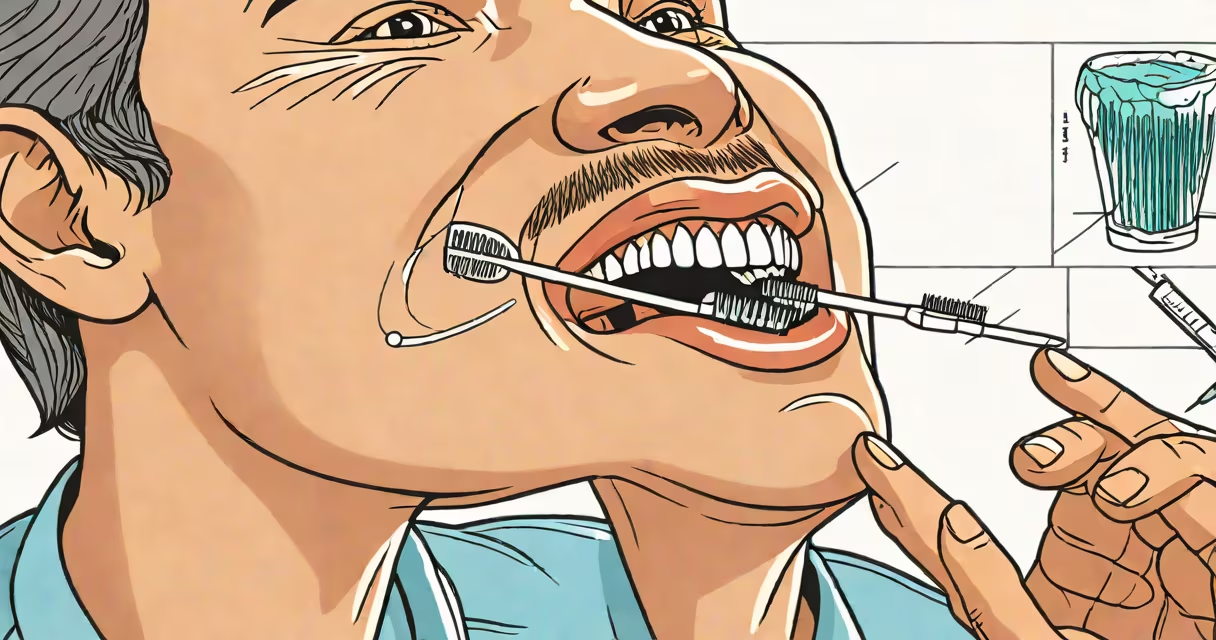
Chronic bad breath, or halitosis, persists beyond routine oral care and often signals an underlying medical or dental condition requiring specific treatment. It is not simply a matter of brushing more or using mouthwash.
Halitosis results from volatile sulfur compounds produced by anaerobic bacteria in the mouth, particularly on the tongue, between teeth, and beneath the gums. These microbes break down proteins in food debris, saliva, and dead cells, releasing foul-smelling gases like hydrogen sulfide and methyl mercaptan. While occasional bad breath is normal, persistent odor lasting more than two weeks despite daily hygiene indicates a deeper issue.
The American Dental Association (ADA) confirms that chronic bad breath affects approximately 25% of adults and is frequently linked to untreated gum disease, dry mouth, or systemic conditions such as diabetes or liver disorders. Ignoring it can lead to social discomfort and missed opportunities, but addressing it requires more than surface solutions.
Bacteria thrive in low-oxygen environments. The back of the tongue, especially the papillae-rich area, provides ideal terrain for biofilm formation. When saliva flow drops-during sleep, dehydration, or due to medications-the mouth becomes drier, allowing bacterial colonies to grow unchecked. This creates a cycle: less saliva → more bacteria → more odor.
Food particles trapped in periodontal pockets (spaces between teeth and gums) also fuel bacterial growth. As plaque accumulates, it hardens into tartar, which cannot be removed by brushing alone. Tartar harbors bacteria that produce sulfur compounds continuously, leading to persistent bad breath.
A 2021 study published in the Journal of Clinical Periodontology found that patients with moderate to severe periodontitis had higher levels of volatile sulfur compounds compared to healthy controls. The study concluded that treating periodontal disease reduced halitosis in 78% of participants within four weeks of scaling and root planing.
Many assume bad breath comes from the stomach. While gastrointestinal issues can contribute, they account for fewer than 5% of chronic halitosis cases, according to the National Institute of Dental and Craniofacial Research (NIDCR). Most cases originate in the oral cavity.
Another myth is that minty mouthwash cures bad breath permanently. Alcohol-based rinses may mask odor temporarily but can dry the mouth, worsening the problem. The ADA warns against long-term use of alcohol-containing products due to their drying effect on oral tissues.
Some people believe brushing twice daily is enough. But brushing alone removes only 60% of plaque. Flossing and tongue cleaning are essential. A 2019 clinical trial showed that combining brushing, flossing, and tongue scraping reduced volatile sulfur compound levels by 62% over 14 days-compared to 31% with brushing alone.
| Source of Chronic Bad Breath | Typical Signs | Targeted Fix |
|---|---|---|
| Tongue coating | White or yellow film on back of tongue; metallic smell | Use a tongue scraper daily; avoid scraping too hard |
| Gum disease | Bleeding gums, receding gums, persistent bad taste | Professional cleaning; improved home care |
| Dry mouth (xerostomia) | Thick saliva, frequent thirst, cracked lips | Stay hydrated; chew sugar-free gum; treat medication side effects |
| Tooth decay or abscess | Toothache, swelling, pus, visible hole in tooth | Dental filling or root canal treatment |
In 2022, a 42-year-old patient reported chronic bad breath despite brushing twice daily and using mouthwash. He avoided social events and felt anxious during meetings. Initial exam revealed heavy plaque buildup, bleeding gums, and a thick white coating on the posterior third of his tongue.
He was referred to a periodontist. After a professional cleaning and scaling, he began a regimen: brushing for two minutes twice daily with a soft-bristle brush, flossing once daily, and using a tongue scraper each morning. He switched to a non-alcohol mouth rinse containing cetylpyridinium chloride, which reduces bacteria without drying the mouth.
After 21 days, his breath improved noticeably. A follow-up test measured volatile sulfur compounds at 32 parts per billion-within normal range. His dentist noted significant reduction in gum inflammation and plaque scores. He resumed socializing and reported better confidence.
This case illustrates that chronic bad breath rarely resolves with quick fixes. It demands consistent, multi-layered care targeting both oral hygiene and biological contributors.
If bad breath persists after two weeks of diligent hygiene, consult a dentist. They can identify hidden cavities, assess gum health, and rule out infections. If no dental cause is found, a physician may evaluate for sinus infections, acid reflux, or metabolic disorders like uncontrolled diabetes.
I once observed a patient who believed her bad breath came from her diet. She eliminated garlic and onions entirely. The odor remained. A referral to an ENT specialist revealed a chronic sinus infection with post-nasal drip-a known contributor to halitosis. Treating the infection resolved the issue in under six weeks.
Effective management combines daily habits-tongue scraping, flossing, hydration-with professional evaluation. Remedies for chronic bad breath are not one-size-fits-all. Success depends on identifying the actual source and applying the correct solution.
Fixing chronic bad breath begins with recognizing it's not just a hygiene issue-it's a sign. Addressing it properly improves oral health, boosts confidence, and prevents larger medical complications.