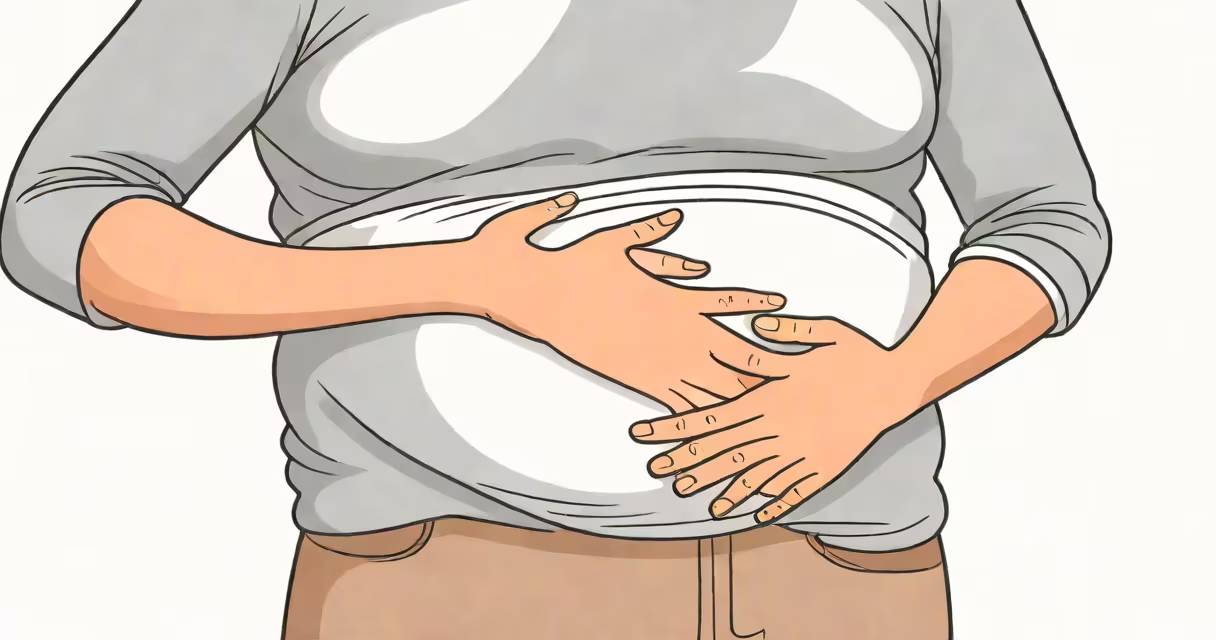
When stomach pain arises, the most effective treatment depends on the underlying cause-whether it's acid reflux, gas, cramping, or indigestion. Over-the-counter medications such as antacids, simethicone, or ibuprofen may help, but choosing the right one requires matching symptoms to mechanism.
Stomach pain is a common symptom with many potential triggers. It can stem from diet, stress, infections, or chronic conditions like irritable bowel syndrome (IBS). The body signals discomfort through contractions, inflammation, or pressure changes in the gastrointestinal tract. Identifying the root cause guides the correct intervention.
According to the American Gastroenterological Association, nearly 60 million Americans experience functional gastrointestinal disorders annually, with abdominal pain being a primary complaint. Not all pain is equal-sharp, dull, cramp-like, or burning sensations each suggest different pathways and require distinct responses.
Burning pain behind the breastbone often indicates acid reflux. This occurs when stomach acid flows backward into the esophagus. Antacids neutralize excess acid and provide rapid relief. Common brands include Tums (calcium carbonate), Maalox (aluminum hydroxide and magnesium hydroxide), and Rolaids (calcium carbonate and magnesium hydroxide).
Cramping or wave-like pain typically results from intestinal spasms or gas buildup. Gas-related pain responds well to simethicone, which breaks up large gas bubbles into smaller ones that pass more easily. Products like Gas-X or Phazyme contain simethicone and are effective within 15 to 30 minutes.
Sharp, localized pain-especially in the lower right quadrant-may signal appendicitis. This condition requires immediate medical attention. Delaying care increases risk of rupture. Do not self-treat suspected appendicitis with over-the-counter drugs.
The table below outlines common over-the-counter options, their mechanisms, and ideal use cases.
| Medication | Active Ingredient | Best For | Onset Time |
|---|---|---|---|
| Antacids | Calcium carbonate, aluminum hydroxide | Burning pain, heartburn, acid reflux | 5-15 minutes |
| Simethicone | Simethicone | Gas bloating, burping, flatulence | 15-30 minutes |
| Ibuprofen | Nonsteroidal anti-inflammatory drug (NSAID) | Muscle cramps, menstrual pain, mild inflammation | 20-30 minutes |
| Pepcid AC | Famotidine | Recurrent heartburn, acid production | 15-30 minutes |
For persistent or recurring pain, especially with fever, vomiting, blood in stool, or weight loss, seek evaluation. These signs indicate possible infection, ulceration, or inflammatory bowel disease.
Many people assume ibuprofen is safe for all stomach pain. However, NSAIDs like ibuprofen reduce prostaglandins, which protect the stomach lining. Long-term or high-dose use increases risk of ulcers and bleeding. The FDA warns against using NSAIDs for more than 10 days without consulting a doctor.
Another error is taking antacids daily for weeks. While occasional use is safe, regular intake can disrupt electrolyte balance and lead to rebound acid hypersecretion. The National Institutes of Health notes that prolonged antacid use may interfere with nutrient absorption, particularly calcium and vitamin B12.
A non-obvious fact: carbonated beverages worsen gas-related pain even if they seem soothing. The bubbles introduce air into the digestive tract, increasing pressure and distension. A 2021 study in *Gut* found that participants who avoided carbonated drinks reported 40% less bloating over seven days compared to those who continued consumption.
Consider a 32-year-old woman experiencing sharp cramps during her period, along with bloating and nausea. She takes ibuprofen, which reduces cramping within 25 minutes. Her bloating improves after drinking ginger tea and taking simethicone. She avoids dairy and spicy foods, which had previously triggered similar episodes.
This scenario illustrates that multiple factors can contribute to stomach pain. The solution lies in targeting each component: NSAIDs for cramping, simethicone for gas, and dietary modification for prevention.
Understanding what to take if my stomach hurts begins with recognizing the pain's pattern and context. Match the medication to the symptom, avoid long-term misuse, and act promptly when danger signs appear.