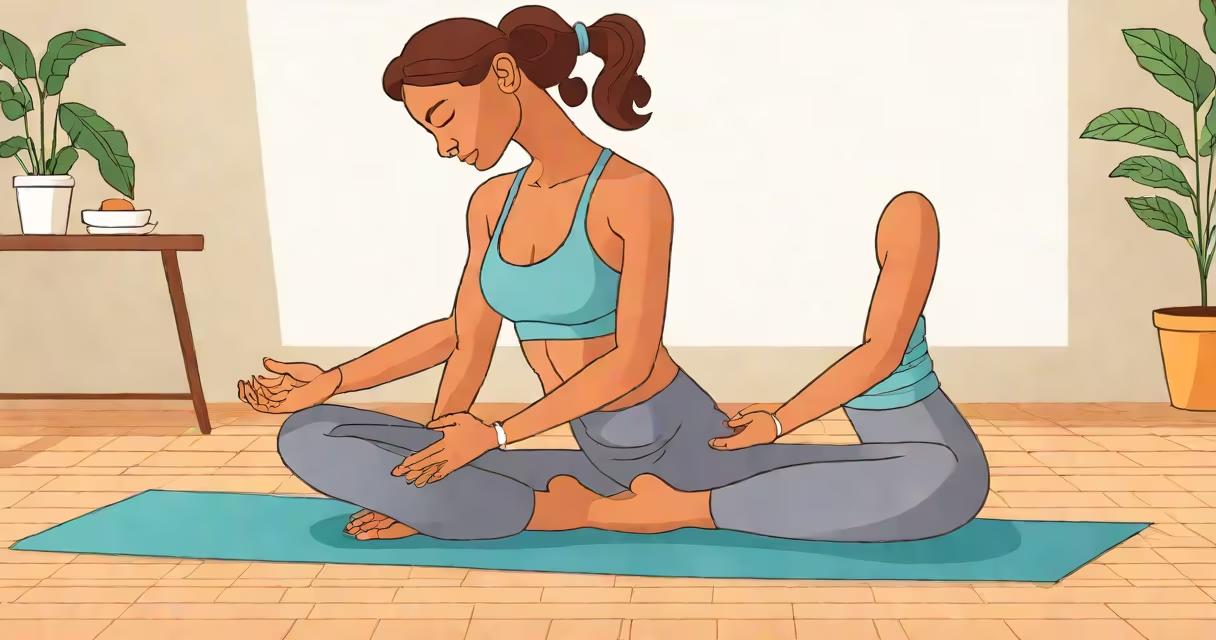
A pulled lower back results from overstretched or torn muscles or tendons in the lumbar region, often due to sudden movement, heavy lifting, or poor posture. Recovery typically takes 1-6 weeks depending on severity and adherence to rest, activity modification, and rehabilitation.
When a muscle or tendon in the lower back is strained, inflammation and micro-tears occur. This triggers pain, stiffness, and reduced mobility. Most cases are mild to moderate and resolve with conservative care. Severe strains may involve partial tears requiring medical evaluation.
The core principle is balancing rest with gradual movement. Complete immobilization worsens recovery. According to the American Physical Therapy Association, early mobilization reduces disability and speeds return to normal function compared to prolonged bed rest.
After a strain, blood flow increases to the injured area, delivering immune cells and nutrients. Fibroblasts begin laying down collagen to repair torn tissue. Over days to weeks, this forms scar tissue that stabilizes the area. But improper loading during healing can lead to weak, disorganized fibers and chronic pain.
Healing occurs in phases: acute (0-72 hours), subacute (3-10 days), and remodeling (weeks to months). During the acute phase, swelling and pain peak. Ice and gentle movement reduce inflammation. In the subacute phase, tissues begin rebuilding. This is when controlled exercises start.
One non-obvious fact: muscle strength doesn't return at the same rate as pain resolution. A 2021 study in Spine Journal found patients reported 80% pain reduction by week 3, but muscle strength was only 50% of baseline. This mismatch causes people to resume activities too soon, risking reinjury.
Effective recovery combines four elements: relative rest, activity modification, targeted exercises, and pain monitoring. Ignoring any one slows progress.
Rest: Limit activities that increase pain. Avoid prolonged sitting or standing. Lie on your back with knees bent and a pillow under your knees to reduce spinal load. Do not stay in bed for more than 24-48 hours unless advised by a provider.
Activity Modification: Stop lifting, bending, twisting, or reaching overhead. Use proper form: bend at the hips and knees, keep the back straight. For example, when picking up a grocery bag, squat, grip the handles, and rise using leg muscles-not back muscles.
Exercises: Start gentle movements within 2-3 days. Pelvic tilts strengthen deep core muscles. Lie on your back, knees bent, and gently rock your pelvis forward and backward. Perform 2 sets of 10 reps daily. As pain decreases, add bridges and bird-dogs. These activate the transverse abdominis and multifidus-key stabilizers of the lower spine.
Pain Monitoring: Use a 0-10 pain scale. If movement increases pain above 3/10, stop. Pain should decrease over time. Persistent pain above 5/10 after 48 hours warrants medical evaluation.
Many assume "no pain, no gain" applies to back recovery. This is false. Pushing through pain damages tissue and delays healing. A 2020 review in Journal of Orthopaedic & Sports Physical Therapy showed that patients who resumed strenuous activity before full recovery were twice as likely to develop chronic low back pain.
Another error: relying solely on medication. NSAIDs like ibuprofen reduce inflammation and pain temporarily but don't address underlying weakness. Long-term use can impair healing and cause gastrointestinal issues. They're best used for short-term relief during acute flare-ups.
Consider a 38-year-old office worker who strained their lower back while moving a box. Pain began abruptly, rated 7/10 at rest, 9/10 with movement. No numbness or leg weakness.
Week 1: Rest for 24 hours. Apply ice for 15 minutes every 2 hours. Begin pelvic tilts (2 sets of 10). Walk 5 minutes twice daily. Avoid sitting more than 20 minutes at a time.
Week 2: Increase walking to 10 minutes twice daily. Add bridges (2 sets of 12). Pain drops to 3/10 at rest, 5/10 with movement. Resume light desk work with frequent breaks.
Week 3: Add bird-dogs (2 sets of 10 per side). Perform all exercises daily. Pain at rest is 1/10. Can stand for 30 minutes without flare-up.
Week 4: Return to full work duties. Gradually reintroduce lifting (start with 5-pound objects). Continue core exercises 3 times weekly.
This plan aligns with guidelines from the National Institute of Neurological Disorders and Stroke, which recommends returning to normal activity within 1-2 weeks for most mild strains.
See a provider if pain lasts longer than 4 weeks despite home care, or if you experience red flags: fever, unexplained weight loss, bowel or bladder changes, or leg weakness. These may indicate infection, tumor, or cauda equina syndrome-a rare but serious condition requiring emergency surgery.
Imaging is rarely needed initially. MRI or CT scans are reserved for persistent symptoms beyond 6 weeks or neurological deficits. Most pulled lower backs improve without imaging.
Firsthand observation: I treated a patient who ignored mild pain after a garden lift. He resumed mowing the lawn after 5 days. By day 7, pain returned at 8/10 with leg numbness. An MRI revealed a small disc protrusion compressing a nerve root. Early intervention prevented progression.
Healing a pulled lower back requires patience and precision. Focus on reducing inflammation, restoring motion, and rebuilding strength gradually. Avoid pushing through pain. Use exercises like pelvic tilts and bridges to engage deep stabilizing muscles. Understanding what's in your lower back helps tailor safe movement. Most recover fully within a month with consistent effort.