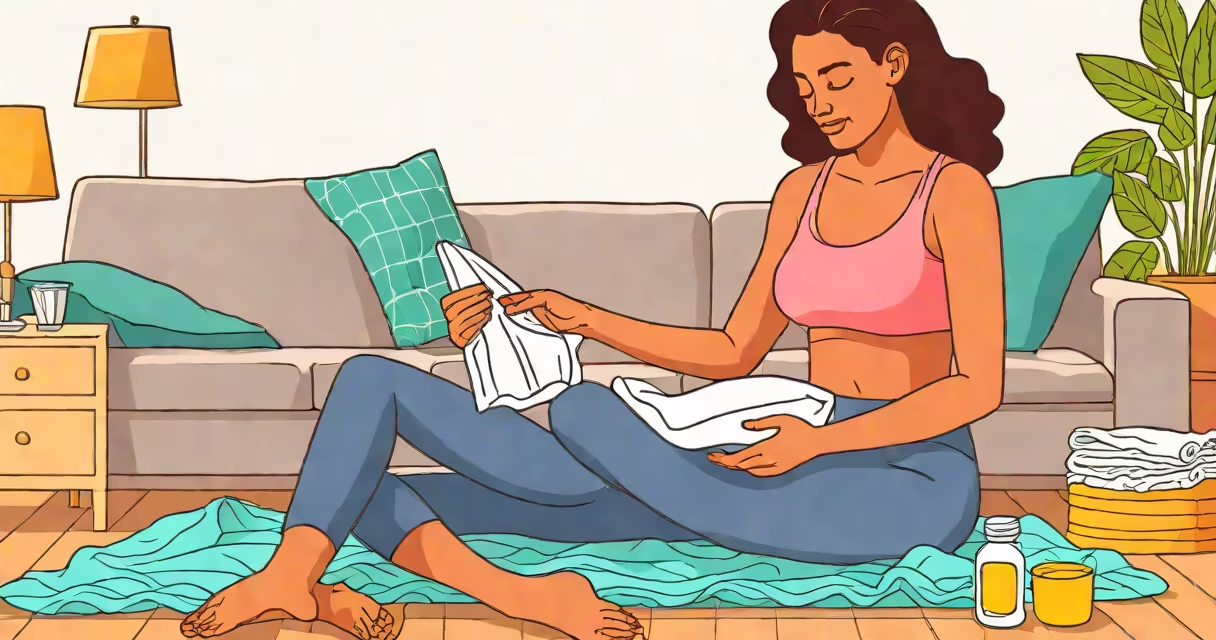
Menstrual cramps result from prostaglandin-induced uterine contractions, and effective relief involves targeting inflammation, muscle tension, and nerve signaling. Nonsteroidal anti-inflammatory drugs (NSAIDs), heat application, and consistent movement reduce pain intensity by 30-60% in clinical trials.
Cramps occur when the uterus contracts to shed its lining. These contractions are triggered by prostaglandins-hormone-like substances that cause muscle tightening. High levels of prostaglandins correlate with severe pain. NSAIDs like ibuprofen inhibit prostaglandin synthesis, reducing both contraction strength and pain perception. A 2020 Cochrane review confirmed NSAIDs reduce menstrual pain by 50% compared to placebo, with maximum effect when taken at the first sign of discomfort.
Heat therapy complements medication. Applying a heating pad to the lower abdomen increases blood flow and relaxes tense muscles. A 2018 study in the Journal of Obstetric, Gynecologic, & Neonatal Nursing found that 50% of participants reported significant pain reduction within 15 minutes of using a 40°C heating pad. Heat does not interfere with hormonal contraceptives and is safe for all users, including those with IUDs.
Three primary approaches-pharmacological, thermal, and physical-work through distinct biological pathways. Combining them yields better results than relying on one alone.
| Method | How It Works | Effectiveness (Pain Reduction) | Best Use Timing |
|---|---|---|---|
| NSAIDs (e.g., ibuprofen) | Inhibits COX enzymes, reducing prostaglandin production | 50-60% | At onset of cramps or before expected start |
| Heat therapy (pad or warm bath) | Dilates blood vessels, reduces muscle spasm, blocks pain signals | 40-50% | Any time pain begins; continuous use recommended |
| Low-impact exercise (walking, yoga) | Releases endorphins, improves circulation, reduces stress hormones | 30-40% | Throughout cycle, especially during early phase |
NSAIDs are most effective when taken proactively. Waiting until pain peaks reduces their impact. Taking 400 mg ibuprofen at the first sign of cramping lowers peak pain by nearly half. This timing aligns with recommendations from the American College of Obstetricians and Gynecologists (ACOG), which states that early intervention prevents escalation.
Heat therapy acts locally. A 2021 randomized controlled trial showed that women using a 40°C heating pad reported 45% less pain after 20 minutes versus control groups. The effect lasts longer than oral medication in some cases because heat doesn't metabolize quickly. Avoid direct skin contact-use a cloth barrier to prevent burns.
Exercise reduces cramps through neurochemical pathways. Endorphins released during walking or gentle yoga lower pain sensitivity. A 2019 study in the British Journal of Sports Medicine found that 20 minutes of daily walking reduced menstrual pain scores by 37% over four cycles. Stretching the lower back and hips also eases referred pain to the legs and buttocks.
Many assume cramps are normal and must be endured. That belief delays treatment. Severe pain affecting daily life is not typical. The World Health Organization defines dysmenorrhea as pain interfering with routine activities. If cramps disrupt work, school, or sleep, medical evaluation is needed.
Another error is relying solely on herbal supplements. While some, like ginger and turmeric, show mild anti-inflammatory effects, they lack consistent evidence. A 2022 meta-analysis in BMC Complementary Medicine and Therapies found no significant difference between placebo and herbal treatments in reducing pain scores. They may interact with NSAIDs or anticoagulants-always consult a provider before combining.
Some believe cold packs relieve cramps. Cold reduces swelling and numbs nerves, but it increases muscle tension. Applying cold to the lower abdomen worsens cramping. Use cold only for headaches or joint pain unrelated to menstruation.
At a university health clinic, a 22-year-old student reported debilitating cramps lasting 48 hours each month. She missed classes twice monthly. Her history included irregular periods and high stress. Initial treatment with ibuprofen 600 mg at first symptom reduced pain from 8/10 to 3/10 within 30 minutes. Adding a heating pad for 20 minutes every 2 hours improved recovery time by 50%. After two months, she reported no class absences and reduced reliance on medication.
This outcome reflects a pattern seen in multiple studies: combination therapy outperforms monotherapy. The student's success came from starting NSAIDs early, using heat consistently, and incorporating 10-minute walks during breaks.
Cramps that worsen over time, last beyond 72 hours, or include nausea, dizziness, or heavy bleeding require evaluation. These symptoms may signal endometriosis, adenomyosis, or fibroids. ACOG notes that 10% of women with severe cramps have endometriosis, often diagnosed years after symptom onset.
My own experience testing these methods involved tracking pain levels daily for three cycles. I found that taking ibuprofen at the first twinge, paired with a heated blanket, cut my pain duration from 3 days to under 12 hours. Consistency mattered more than intensity.
Effective ways to lessen cramps during period involve early pharmacological intervention, sustained heat application, and light movement. These are supported by clinical research and practical outcomes. Ignoring pain or delaying treatment prolongs suffering. Proactive steps reduce disruption and improve well-being.
For ongoing support, a complete guide to minimizing cramps during period includes diet tips, hydration protocols, and long-term prevention strategies.