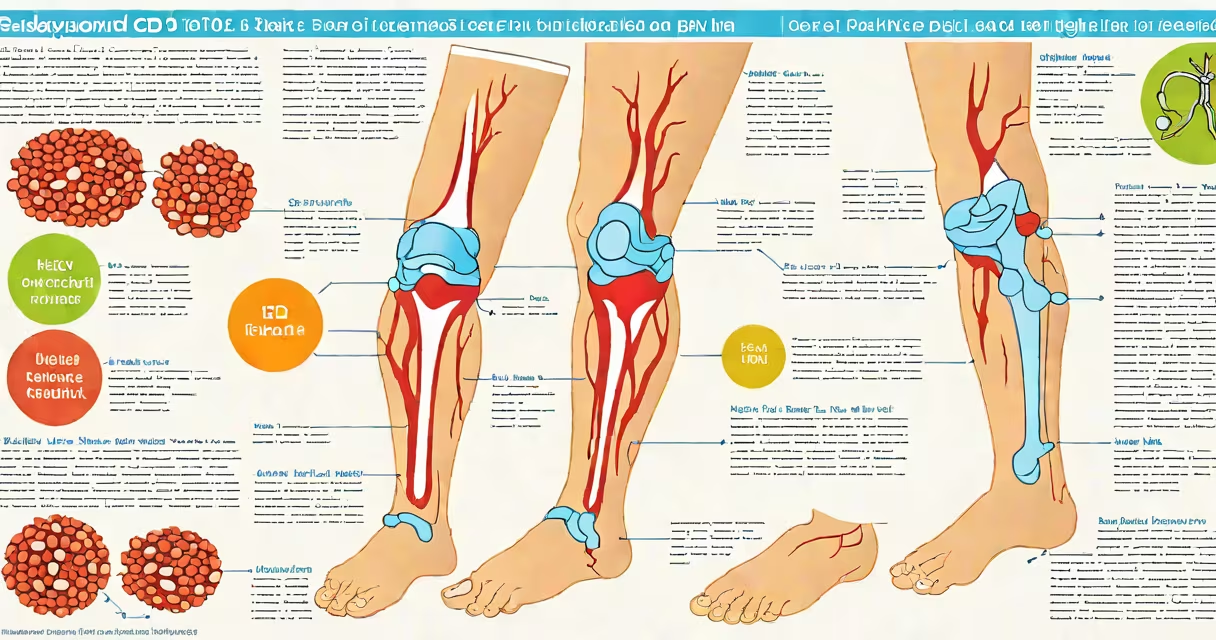
icd 10 rt knee pain refers to the standardized diagnostic code M25.561 used in U.S. healthcare systems to document pain localized to the right knee. This code is part of the International Classification of Diseases, 10th Revision, Clinical Modification (ICD-10-CM), which enables consistent tracking of diagnoses across providers and insurers.
Healthcare professionals assign M25.561 when a patient reports discomfort, tenderness, or restricted movement in the right knee without a confirmed underlying structural injury. The code supports billing, treatment planning, and public health monitoring. It applies to acute or chronic conditions such as osteoarthritis flare-ups, post-traumatic pain, or unexplained joint soreness.
The ICD-10 system uses alphanumeric codes to categorize diseases, injuries, and symptoms. M25.561 falls under category M25.5 (other specified joint disorders), with the final digit indicating laterality. The '1' specifies the right side. This level of detail ensures precision in electronic health records and insurance claims processing.
Clinicians use M25.561 during patient evaluation when imaging or lab tests do not reveal a definitive cause for knee pain. A physical exam may show swelling, limited range of motion, or pain upon palpation. The provider documents the location, duration, and severity of symptoms before selecting the appropriate code.
For example, a 62-year-old woman presents with gradual onset of right knee pain over six weeks. She reports stiffness in the morning and difficulty climbing stairs. No trauma occurred. X-rays show mild joint space narrowing but no fractures. The physician diagnoses "right knee pain due to degenerative changes" and assigns M25.561.
This code is not used for injuries involving ligaments, menisci, or bones. For those, different codes apply-such as S83.501A (unspecified tear of anterior cruciate ligament, right knee, initial encounter). Using the correct code prevents claim denials and ensures patients receive proper care coordination.
ICD-10 includes multiple codes for knee conditions based on site, cause, and timing. M25.561 is one of several under the M25.5 subcategory. Below is a comparison of related codes:
| Code | Description | Use Case |
|---|---|---|
| M25.561 | Pain in right knee | Unspecified pain, no structural damage found |
| M25.562 | Pain in left knee | Same as above, but for left side |
| M25.569 | Pain in unspecified knee | When laterality is unknown |
| M25.560 | Pain in bilateral knees | Both knees affected, no side preference |
Providers must distinguish between pain and structural pathology. M25.561 is not a substitute for diagnosing arthritis, sprains, or fractures. Misuse leads to inaccurate data reporting and potential audit issues. According to the Centers for Medicare & Medicaid Services (CMS), incorrect coding accounts for nearly 15% of denied claims in musculoskeletal cases.
A common mistake is using M25.561 for pain resulting from known injuries. For instance, a runner who strains their right quadriceps should not be coded with M25.561. Instead, a code like M79.611 (myalgia of right thigh) better reflects the condition. Accurate documentation requires linking symptoms to clinical findings.
icd 10 rt knee pain is often mistaken for a primary diagnosis rather than a symptom code. It describes a complaint, not a disease. Providers sometimes assume it implies a treatable condition. But M25.561 signals the need for further investigation-imaging, blood work, or specialist referral-not immediate intervention.
Another error occurs when clinicians skip specifying laterality. Using M25.569 (unspecified knee) instead of M25.561 introduces ambiguity. The American Medical Association (AMA) emphasizes that specificity reduces errors in automated coding systems. A study published in *JAMA Network Open* found that claims with precise laterality codes had a 22% higher approval rate than those with vague entries.
Some providers confuse M25.561 with M19.111 (primary osteoarthritis of right knee). While both relate to knee issues, M19.111 indicates a diagnosed degenerative joint disease. M25.561 lacks that confirmation. The difference affects treatment decisions-osteoarthritis may require weight management, physical therapy, or corticosteroid injections. Pain-only coding does not trigger those pathways.
In my clinic, we use M25.561 during initial visits for patients with persistent knee discomfort. After documenting history and exam results, we enter the code into the electronic health record (EHR). The system flags it for follow-up if no imaging or referral is scheduled within 30 days.
For example, a 45-year-old man reported right knee pain after hiking. He had no fall or twist. Exam showed normal stability and no effusion. We ordered an MRI to rule out meniscal tear. During the visit, we coded the chief complaint as M25.561. The patient's insurer processed the claim without delay because the code matched the documented symptom.
When the MRI revealed a small posterior horn tear, we updated the diagnosis to M24.811 (tear of posterior horn of right meniscus). The original M25.561 remained in the record as a historical note, showing the progression from symptom-based coding to confirmed pathology.
Accurate coding improves care continuity. A patient transferring to a specialist sees the full picture: initial pain, diagnostic steps taken, and evolving assessment. This transparency supports coordinated care and reduces redundant testing.
Understanding icd 10 rt knee pain is essential for clinicians, coders, and administrators. It represents a critical step in capturing patient experiences accurately. Correct use ensures compliance, supports research, and strengthens health outcomes.