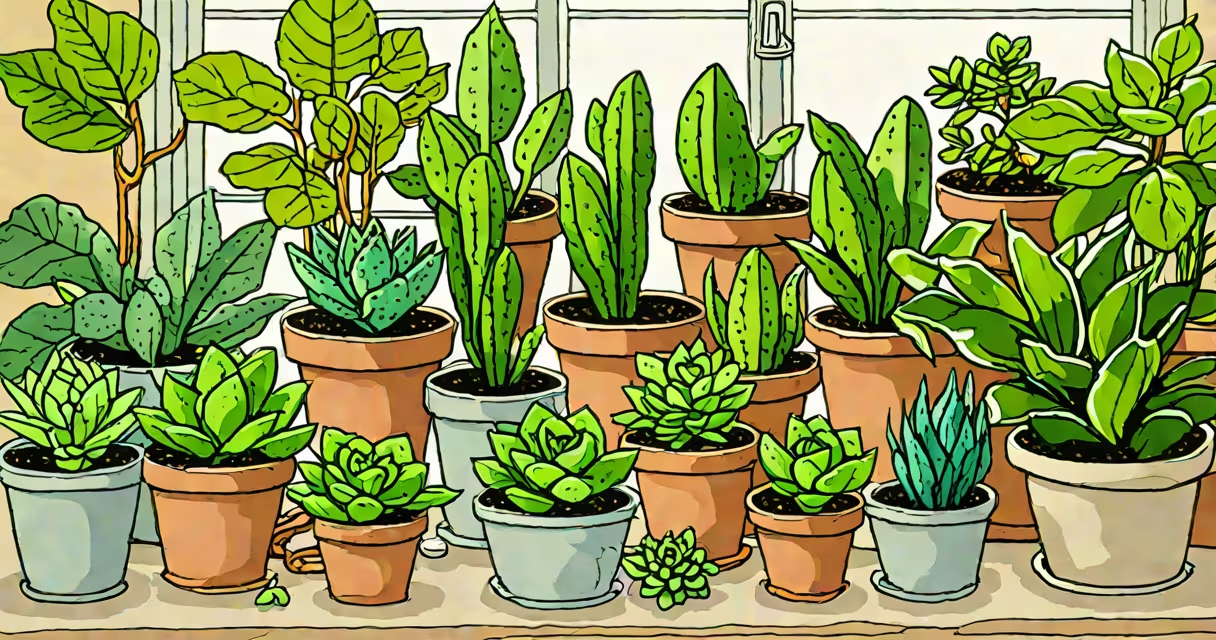
indoor gardening tips for beginners teach how to grow healthy houseplants using proper light, water, and soil. These practical steps prevent overwatering, root rot, and poor growth in low-light homes.
Most indoor gardens fail because people treat houseplants like outdoor ones. Plants don't need daily watering or direct sunlight. A single overwatering incident kills more houseplants than neglect. The core rule: mimic the plant's native environment. A snake plant thrives in dry, indirect light-just like its desert origins.
Beginners often start with high-maintenance plants like orchids or ferns. These require humidity, consistent moisture, and specific temperatures. Instead, start with resilient species such as pothos, ZZ plants, or spider plants. They survive forgetfulness and low light. You'll build confidence before attempting delicate varieties.
Plants grow through photosynthesis. Light energy converts carbon dioxide and water into glucose and oxygen. Indoors, artificial light or window light replaces sunlight. Most houseplants need 6-8 hours of indirect light daily. A south-facing window provides the most consistent light in the Northern Hemisphere.
Watering is the biggest cause of plant death. Overwatering causes root rot. Underwatering leads to wilting. The solution: check soil moisture before adding water. Stick your finger 2 inches into the soil. If dry, water. If damp, wait. This method prevents both under- and over-watering.
Soil matters. Regular potting soil holds too much water. Use a well-draining mix with perlite or bark. For succulents, use a cactus mix. For tropical plants, use a blend with peat and perlite. Soil type affects drainage, aeration, and nutrient availability.
Choose plants based on your home's light conditions. Low-light areas suit pothos, ZZ plants, and snake plants. Brighter spaces support succulents, fiddle leaf figs, and calatheas. Match the plant to the space, not the other way around.
| Plant Type | Light Need | Water Frequency | Best For |
|---|---|---|---|
| Pothos | Low to medium | Every 1-2 weeks | Beginners, hanging baskets |
| Snake Plant | Low to bright | Every 3-4 weeks | Forgotten watering, dry rooms |
| Succulents | Bright, direct | Every 2-3 weeks | South-facing windows, dry climates |
| Fiddle Leaf Fig | Bright, indirect | Weekly, if soil is dry | Well-lit living rooms, experienced beginners |
Some plants thrive in humidity. Calatheas and peace lilies drop leaves in dry air. Use a humidifier or place a tray of water near the plant. Grouping plants increases ambient moisture. Avoid placing plants near heating vents or drafty doors.
Overwatering is the #1 killer of houseplants. Even a single excess watering can suffocate roots. A 2-inch soil check eliminates guesswork. If the soil feels moist, wait. If dry, water slowly until it drains from the bottom.
Using tap water can harm sensitive plants. Chlorine and fluoride build up in soil over time. Let tap water sit out overnight before using. Or switch to filtered or rainwater. Some plants, like African violets, react badly to hard water.
Repotting too soon causes stress. Wait until roots fill the pot or grow out the drainage holes. Use a pot only 1-2 inches larger in diameter. Too large a pot holds excess moisture. Repot in spring, not winter, when plants are actively growing.
I started with three plants: a pothos, a ZZ plant, and a succulent. I placed them on a west-facing windowsill. The pothos grew rapidly. The ZZ plant survived two months of missed water. The succulent developed brown spots-overexposure to afternoon sun. I moved it to a brighter, indirect spot.
After six weeks, I added a small LED grow light. It extended daylight to 12 hours. The pothos became denser. The ZZ plant showed new growth. I used a moisture meter to confirm soil dryness before watering. No more guessing.
By month three, I had five plants. I rotated them weekly to ensure even light exposure. I cleaned leaves with a damp cloth to improve photosynthesis. One plant died-my first mistake was assuming all plants need the same care. Now I research each species before buying.
indoor gardening tips for beginners are not about perfection. They're about learning through trial and error. Start small. Observe. Adjust. Success comes from consistent attention, not expert knowledge.