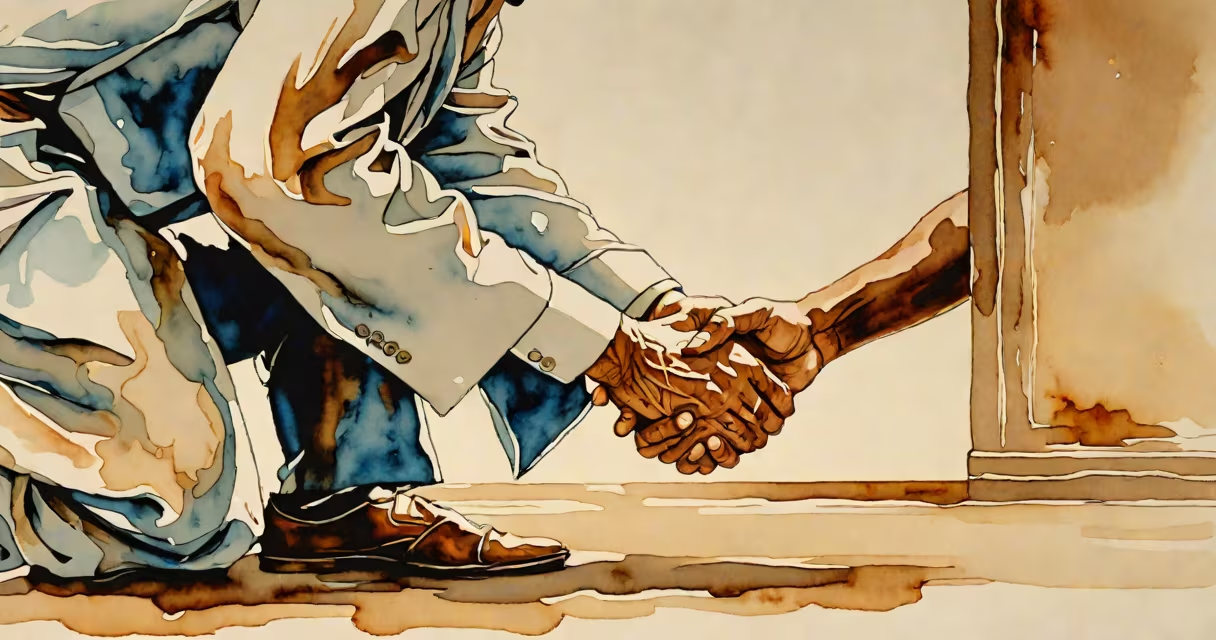
Respect is the recognition of another person's dignity, rights, or achievements, shown through actions, words, or attitudes that acknowledge their value. It involves treating others fairly, listening actively, and honoring boundaries, even when disagreeing. Respect is not passive-it requires intentional behavior that signals care and consideration.
Respect operates on multiple levels. At its core, it is a social norm that enables cooperation in families, workplaces, schools, and communities. It manifests in small gestures-like waiting for someone to finish speaking-or in larger commitments, such as following laws or supporting democratic processes. Without mutual respect, communication breaks down, conflict escalates, and trust erodes.
According to the American Psychological Association, respect is foundational to healthy interpersonal relationships. It reduces emotional distress and increases psychological safety in group settings. A 2021 study published in the Journal of Social and Personal Relationships found that individuals who consistently show respect report higher relationship satisfaction and lower levels of conflict.
Respect is demonstrated through observable behaviors. It is not merely a feeling but a pattern of conduct. For example, interrupting someone during a conversation shows disrespect, while maintaining eye contact and nodding indicates engagement and acknowledgment.
In professional environments, respect appears in punctuality, acknowledging contributions in meetings, and giving credit where due. A manager who listens to team feedback and adjusts plans accordingly models respect. In contrast, dismissing ideas without consideration signals disregard.
Even silence can convey respect. In many cultures, quiet attention during a ceremony or a eulogy reflects deep reverence. In Japan, bowing is a formal gesture of respect, with the depth of the bow indicating the level of formality or humility. A 15-degree bow may signal casual acknowledgment, while a 45-degree bow shows profound deference.
Respect varies based on context and relationship. The most common forms include personal respect, institutional respect, and cultural respect.
| Type | Definition | Example |
|---|---|---|
| Personal respect | Recognition of an individual's worth as a person, regardless of status or role. | Listening to a colleague's opinion even when you disagree. |
| Institutional respect | Adherence to rules, authority, or systems because they are seen as legitimate. | Following traffic laws not because you fear punishment, but because you accept the system's purpose. |
| Cultural respect | Valuing traditions, beliefs, or practices different from your own. | Using the correct pronouns when addressing someone from a gender-diverse background. |
A common misunderstanding is equating respect with agreement. You can respect someone's right to hold a different political view without endorsing it. Disagreement does not negate respect. True respect allows space for difference while maintaining fairness and dignity.
People often mistake politeness for respect. Politeness is surface-level courtesy-"please," "thank you," "excuse me." While useful, it doesn't guarantee respect. A person can be polite yet dismissive, sarcastic, or condescending.
For example, saying "I respect your opinion" while rolling eyes or interrupting is not respect. The verbal phrase is hollow without matching behavior. Research from Stanford University's Center for Compassion and Altruism Research and Education shows that people detect insincerity in respect expressions within 0.3 seconds of hearing them.
Another error is assuming respect is earned only through achievement. While accomplishments can inspire admiration, respect is not conditional. You can respect a child's honesty, a stranger's kindness, or a peer's effort-even if they haven't "succeeded" by external measures.
Consider a classroom scenario: a student raises their hand to speak. The teacher pauses, makes eye contact, and says, "Thank you for sharing. Let me hear your thoughts." This brief exchange demonstrates respect through active listening and validation.
Now consider a workplace conflict. Two employees disagree on a project direction. One says, "I see your point, but I think we should try a different approach." The other responds, "I appreciate your perspective. Can you explain your reasoning?" This exchange maintains respect despite disagreement.
Here's a more complex example: a nurse caring for a patient who refuses medication due to religious beliefs. The nurse does not pressure the patient. Instead, she confirms the patient's wishes, consults the doctor, and documents the decision. She continues to treat the patient with dignity. This shows institutional respect (following medical ethics), personal respect (honoring autonomy), and cultural respect (acknowledging faith).
I once observed a school counselor mediate a dispute between two students. One had called the other a derogatory term. The counselor didn't immediately assign blame. Instead, she asked each student to describe how they felt. She then guided them to listen without interruption. Afterward, the student who used the term apologized, not because they were punished, but because they understood the impact. That moment was not about winning-it was about mutual recognition. That is respect in action.
Respect is closely tied to empathy, integrity, and accountability. Empathy allows you to understand another's viewpoint. Integrity ensures your actions match your values. Accountability means owning mistakes and correcting them.
Understanding irony meaning and examples helps clarify when respect is absent. Irony occurs when words contradict intent. Saying "Great job" sarcastically undermines respect. Recognizing irony prevents misreading tone and intention.
Similarly, punctuation matters. A semicolon can separate independent clauses with precision. Misusing it creates confusion. Just as a misplaced semicolon disrupts clarity, a broken act of respect disrupts trust. Both require attention to detail.
Expanding your vocabulary meaning and examples strengthens your ability to express respect accurately. Words like "acknowledge," "validate," "consider," and "defer" carry weight. Using them precisely enhances communication and reduces misunderstanding.
When you choose words carefully and act with awareness, you build bridges. Respect is not a single act-it's a consistent practice. It grows through repetition, reflection, and willingness to change.
Respect meaning and examples is not a list of rules. It is a living standard. It adapts to culture, context, and relationship. The goal is not perfection but presence-showing up with intention, listening deeply, and acting with care.