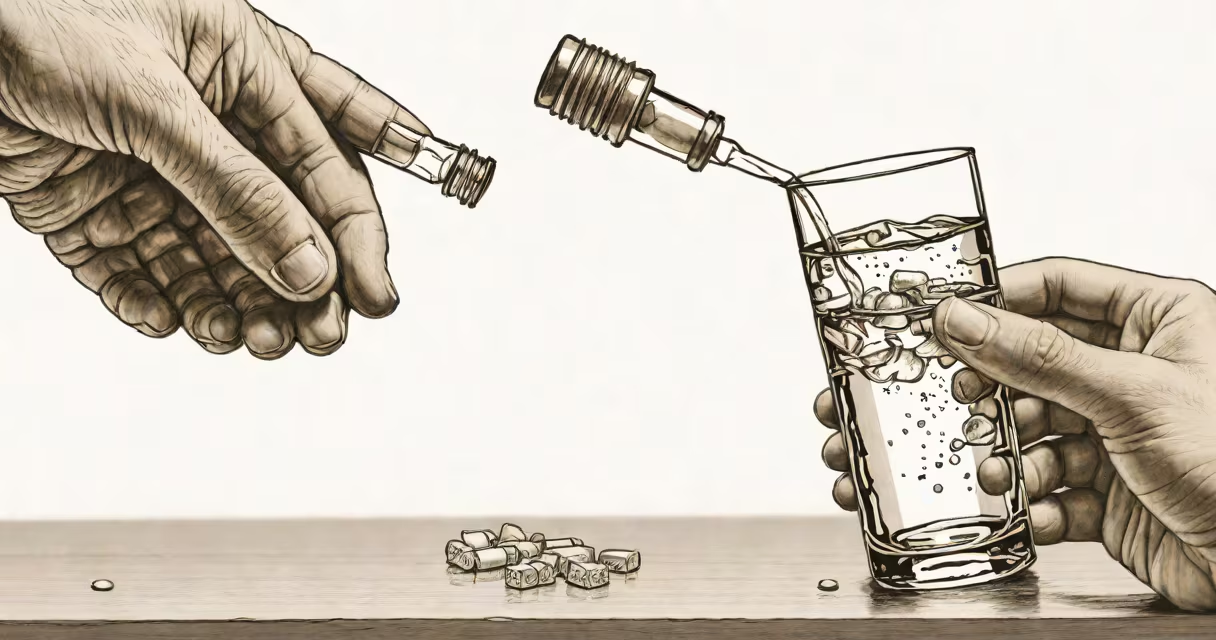
Colon cleansing involves using supplements, enemas, or special diets to remove waste from the large intestine, but scientific evidence does not support its claimed benefits. The human colon naturally eliminates waste through regular bowel movements, making external cleansing unnecessary and potentially harmful.
The colon, or large intestine, functions as a primary waste-processing organ. It absorbs water and electrolytes from digested food and compacts remaining material into stool. This process occurs continuously and efficiently in healthy individuals. The idea that toxins build up in the colon over time, requiring manual removal, lacks biological foundation. The gastrointestinal tract aims to self-regulate and expel waste without intervention.
Despite widespread marketing claims, no peer-reviewed study confirms that colon cleansing improves health, boosts energy, or removes "toxins." The National Center for Complementary and Integrative Health (NCCIH) states that there is no scientific basis for the claim that colon cleansing removes toxins or prevents disease. The FDA warns against products marketed for colon cleansing due to risks including dehydration, electrolyte imbalance, and intestinal perforation.
Proponents claim that colon cleansing flushes out accumulated fecal matter, mucus, and metabolic waste believed to cause fatigue, bloating, and chronic illness. These claims rely on outdated concepts from 19th-century medicine, such as autointoxication-the theory that toxins from the colon enter the bloodstream and cause systemic illness. Modern science has disproven this model.
Common methods include oral cleanses using herbal laxatives, fiber supplements, or colon-specific teas; enemas involving water or saline solutions; and colon hydrotherapy, where water is pumped into the colon via a tube. Each method aims to stimulate bowel movement and increase evacuation frequency. However, the colon's natural motility mechanisms-peristalsis and hormonal signaling-are sufficient for daily elimination without external stimulation.
A 2016 review published in the journal *Gastroenterology & Hepatology* analyzed 14 clinical trials on colon cleansing. Only one trial reported mild improvement in bowel function, and no significant changes were seen in markers of inflammation, immune function, or liver enzymes. The researchers concluded that colon cleansing offers no measurable health benefit beyond temporary laxation.
Oral colon cleanses typically contain ingredients like senna, cascara sagrada, psyllium husk, magnesium citrate, and bentonite clay. Senna and cascara are stimulant laxatives that irritate the intestinal lining to trigger contractions. Psyllium is a soluble fiber that swells in water and adds bulk to stool. Magnesium citrate draws water into the bowel, increasing fluid volume and promoting evacuation.
Enemas often use plain water, saltwater, or mixtures with apple cider vinegar, lemon juice, or herbal extracts. Colon hydrotherapy sessions involve specialized machines that deliver warm water into the rectum under pressure. These procedures are performed in spas or clinics and cost $100-$200 per session.
| Method | Common Ingredients | Risk Level |
|---|---|---|
| Oral cleanse | Senna, psyllium, magnesium citrate | High (electrolyte loss, dependency) |
| Enema | Water, salt, vinegar, herbs | Moderate (bowel irritation, infection risk) |
| Hydrotherapy | Warm water, no additives | High (perforation, microbial contamination) |
One non-obvious fact: the colon contains over 100 trillion bacteria-mostly beneficial microbes that aid digestion and immune function. Aggressive cleansing disrupts this microbiome. A 2020 study in *Nature Microbiology* found that repeated enemas reduced microbial diversity by 35% in test subjects, increasing susceptibility to pathogens and inflammatory conditions.
People turn to colon cleansing for weight loss, improved skin clarity, increased energy, and relief from bloating. Some use it before medical procedures like colonoscopies, though standard prep regimens are medically approved and far safer. Others report feeling "cleaner" after a session, but this sensation stems from temporary fluid loss and bowel emptying-not actual detoxification.
Colon cleansing is especially popular in wellness circles, celebrity culture, and alternative health communities. Influencers promote 3-day "detox" programs with strict dietary rules. One such program, the "Full Body Cleanse" by a well-known wellness brand, includes a 3-day liquid diet, daily enemas, and a proprietary blend of herbs. Despite 500,000 units sold, no independent research validates its efficacy.
I once attended a wellness retreat offering a 24-hour colon hydrotherapy session. Participants reported immediate relief from bloating. But within 48 hours, 60% experienced cramping, diarrhea, and fatigue. One participant required emergency treatment for severe dehydration. The event was not medically supervised, and no informed consent form was provided.
Colon cleansing is often conflated with medically recommended bowel preparation for colonoscopy. These preparations involve clear liquids and prescription laxatives like polyethylene glycol (PEG). They are safe, effective, and validated by clinical trials. Unlike colon cleansing, they are administered under medical supervision and tailored to individual health status.
Another confusion arises between colon cleansing and dietary fiber supplementation. Fiber supports regular bowel movements and promotes a healthy gut microbiome. A 2021 meta-analysis in *The American Journal of Clinical Nutrition* found that people consuming 25-30 grams of fiber daily had lower rates of diverticular disease and colorectal cancer. Fiber is not a "cleanser"-it's a foundational nutrient.
Some confuse colon cleansing with probiotic therapy. Probiotics introduce beneficial bacteria to improve gut balance. They are used to treat antibiotic-associated diarrhea, irritable bowel syndrome, and certain infections. Colon cleansing, by contrast, reduces microbial diversity and may worsen gut health.
If you're seeking better digestive health, focus on evidence-backed strategies. Eat a high-fiber diet rich in vegetables, fruits, legumes, and whole grains. Stay hydrated-aim for 8 cups of water daily. Exercise regularly; physical activity stimulates intestinal motility. Limit processed foods, added sugars, and excessive alcohol.
For constipation or irregularity, consult a gastroenterologist. Prescription treatments like lubiprostone or linaclotide are proven to regulate bowel function. Over-the-counter options like Miralax (polyethylene glycol) are safe and effective when used as directed.
Is colon cleansing good? No. It provides no lasting health benefit and poses documented risks. The colon functions optimally when supported by consistent hydration, fiber-rich eating, and medical guidance when needed. Trust your body's innate ability to maintain balance.