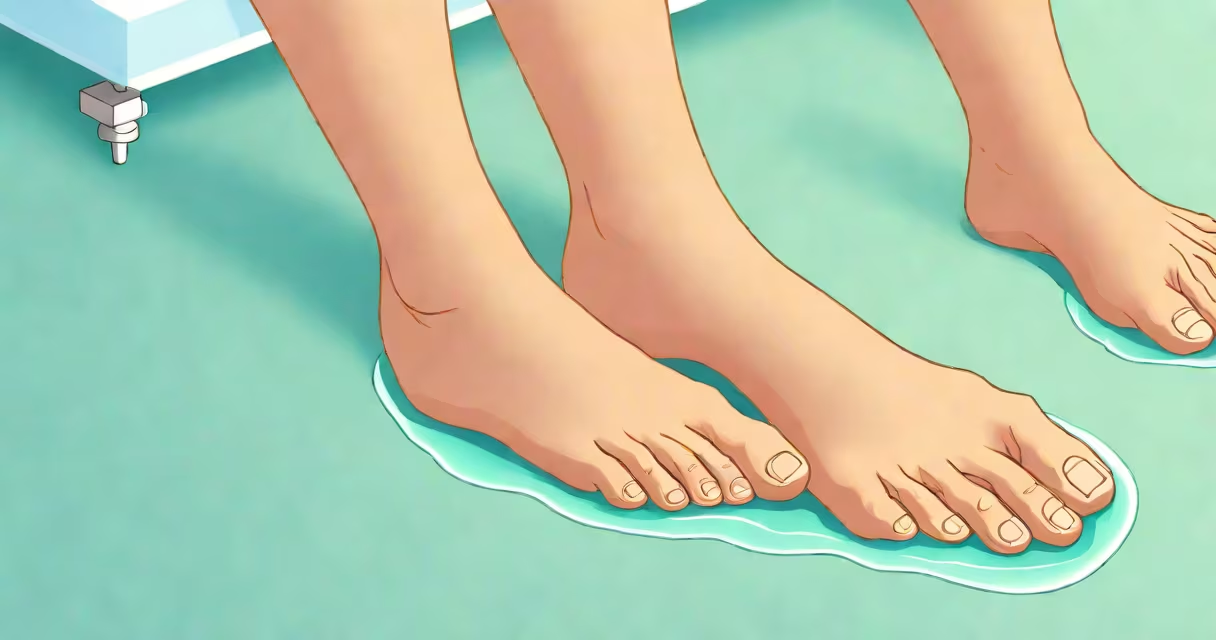
Swollen feet in kidney disease occur when damaged kidneys fail to remove excess fluid and sodium, causing fluid to accumulate in tissues. This condition, known as edema, typically appears in the lower legs and feet due to gravity and pressure on veins.
Kidneys filter waste and regulate fluid balance. When their function drops below 30%, fluid retention becomes common. Swelling often begins subtly-tighter shoes, deeper shoe prints in carpet-but progresses to visible puffiness and indentation when pressed (pitting edema).
The American Kidney Fund notes that swelling affects over 40% of patients with stage 3b or higher chronic kidney disease (CKD). Early detection through physical exams and lab tests prevents complications like heart strain or skin breakdown.
Healthy kidneys maintain fluid balance by adjusting urine output. In kidney disease, glomeruli-the filtering units-become leaky or scarred. This reduces glomerular filtration rate (GFR), lowering urine production and increasing blood volume.
High blood volume increases pressure in capillaries. Fluid leaks into surrounding tissue, especially in dependent areas like ankles and feet. Sodium retention worsens this process because water follows salt.
A 2021 study in *Clinical Journal of the American Society of Nephrology* found that patients with albuminuria (protein in urine) had 2.3 times higher odds of developing peripheral edema than those without. Albumin loss reduces oncotic pressure, pulling fluid out of blood vessels and into tissues.
Swelling from kidney disease falls into two categories: nephrotic syndrome and CKD-related edema. They differ in cause and treatment.
| Type | Primary Cause | Lab Findings | Common Symptoms |
|---|---|---|---|
| Nephrotic Syndrome | Glomerular damage leading to protein loss | Low serum albumin, high urine protein | Severe swelling, foamy urine, fatigue |
| Chronic Kidney Disease Edema | Reduced GFR and sodium retention | Normal or low albumin, elevated creatinine | Mild-to-moderate swelling, fatigue, frequent urination |
Diabetes is the most common cause of both types. About 40% of people with diabetic kidney disease develop edema. Hypertension contributes in 30% of cases. Autoimmune conditions like lupus nephritis also trigger swelling.
Non-kidney causes-such as heart failure, venous insufficiency, or prolonged standing-can mimic kidney-related swelling. But kidney-induced edema rarely improves with rest alone and often spreads upward during the day.
Doctors use multiple tools to distinguish kidney-related swelling from other causes. A physical exam checks for pitting edema: pressing a finger into the ankle leaves a dent that takes 10 seconds to refill.
Laboratory tests include serum creatinine, estimated GFR (eGFR), and urine albumin-to-creatinine ratio (UACR). An eGFR below 60 mL/min/1.73m² for three months confirms CKD. UACR above 30 mg/g indicates significant protein leakage.
Imaging is not routine but may be used. Ultrasound can show reduced kidney size or scarring. Doppler ultrasound differentiates deep vein thrombosis from edema.
I once saw a patient with persistent foot swelling who had normal heart function and no leg vein issues. After a urine test revealed 450 mg/g albumin, a kidney biopsy confirmed minimal change disease-a treatable form of nephrotic syndrome.
Treatment depends on the underlying cause. For CKD-related edema, reducing sodium intake to under 2,000 mg/day helps. Diuretics like furosemide are prescribed when swelling limits mobility.
In nephrotic syndrome, corticosteroids or immunosuppressants may be needed. ACE inhibitors or ARBs reduce proteinuria and slow progression. A 2020 trial in *The New England Journal of Medicine* showed that losartan lowered protein excretion by 35% over 12 months in patients with diabetic nephropathy.
Patients should avoid prolonged sitting or standing. Elevating feet above heart level for 30 minutes twice daily reduces fluid pooling. Compression stockings are effective but require proper sizing-too tight causes nerve compression.
Swelling from sitting, such as during long flights, resolves quickly when walking. But kidney-related swelling persists. If swelling lasts more than 24 hours after resting, seek evaluation.
Swelling that spreads to hands, face, or abdomen signals worsening kidney function. Sudden weight gain (over 2 pounds in 24 hours) or shortness of breath suggests fluid overload.
Emergency care is needed if swelling is accompanied by chest pain, confusion, or reduced urine output. These indicate acute kidney injury or pulmonary edema.
Early management improves outcomes. The National Kidney Foundation recommends annual screening for adults over 40 with diabetes or hypertension. Testing includes urine dipstick for protein and blood pressure checks.
Swollen feet from kidney disease is not just a symptom-it's a warning sign. Addressing it early slows disease progression and reduces hospitalizations.